    Ingredient Profile

    Herbs fragrance note

    Herbs bring a verdant, aromatic dimension to perfumery, from the sun-warmed fields of Provence to the mountains of Morocco. These green, fre…More

    Mediterranean region

    1

    Fragrances

    Fragrances featuring Herbs

    Character

    The Story of Herbs

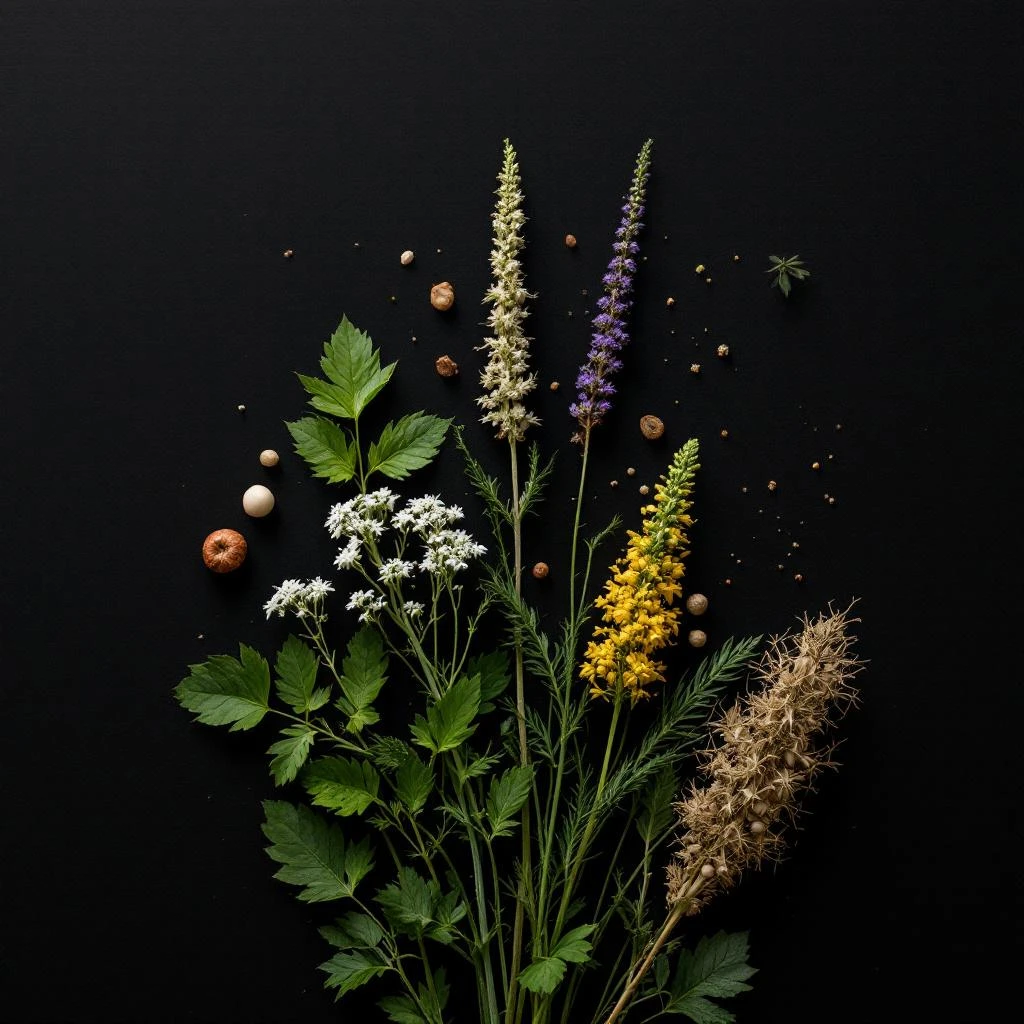
    Herbs bring a verdant, aromatic dimension to perfumery, from the sun-warmed fields of Provence to the mountains of Morocco. These green, fresh, and sometimes medicinal notes have grounded fragrance for millennia.

    Heritage

    Before the 11th century, perfumers had no way to extract oils from flowers or herbs. Liquid perfumes consisted of crushed herbs steeped in oil, or petals pressed into blends. This limitation shaped ancient Greek perfumery heavily, where herbalists used entire plants including roots, not just flowers. The Persians and Arabs changed everything. As traders with access to an extraordinary range of botanicals, Islamic cultures cultivated and refined herb use in daily life and religious practice. They introduced steam distillation to Western perfumery, transforming how herbs could be captured and used. By the 19th century, chemistry allowed perfumers to isolate specific aromatic molecules from herbs, creating the synthetic aromatic compounds still used today.

    At a Glance

    Fragrances

    1

    Feature this note

    Origin

    Mediterranean region

    Primary source region

    Ingredient Details

    Extraction

    Steam distillation

    Used Parts

    Flowering tops, leaves, stems

    Did You Know

    "Before distillation was invented, liquid perfumes were simply mixtures of crushed herbs and oil."

    Production

    How Herbs Is Made

    Herbs yield their aromatic compounds through steam distillation, hydro-distillation, or solvent extraction. Harvesters collect flowering tops, leaves, and stems by hand, often at specific times to maximize essential oil content. Steam passes through the plant material, carrying volatile compounds thatcondense into essential oil. Solvent extraction produces concretes and absolutes with richer, more complex profiles. CO2 extraction, a newer method, captures a broader range of botanical molecules without residual solvents. Each herb requires different handling: lavender is distilled shortly after cutting, while clary sage must cure for 24 hours before processing to develop its characteristic sclareol content.

    Provenance

    Mediterranean region

    Mediterranean region38.0°N, 15.0°E

    About Herbs