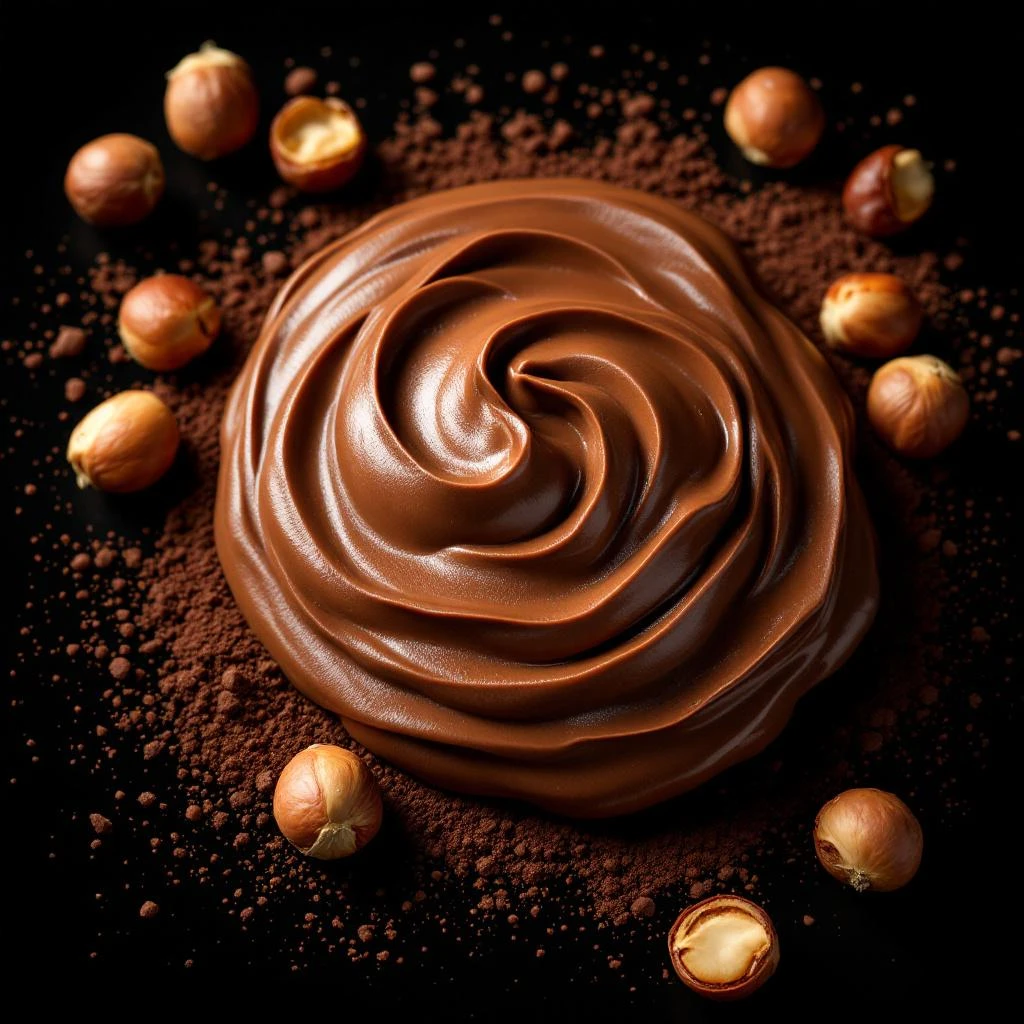
Hazelnut cocoa spread
A warm, edible aroma that brings gourmand richness to fragrance compositions. Hazelnut cocoa materials create comforting base notes with sweet, nutty nuances reminiscent of confectionery. Perfumers use these notes to evoke indulgence and sensuality, often anchoring orientals and chypres with cozy, delicious depth.
Character
How it smells
Indulgent warmth in every droplet, drawn from Piedmont's treasured nuts and cocoa's deep embrace.
The iconic spread by Ferrero originated in 1946 when baker Pietro Ferrero stretched scarce cocoa with abundant hazelnuts during postwar Italy.







Origin
Italy
The marriage between chocolate and hazelnuts traces to early nineteenth-century Turin when cocoa imports faced Napoleonic blockades. Creative confectioners in Piedmont began mixing locally abundant hazelnuts with limited chocolate, creating gianduja—a paste that preserved cocoa's rich flavor while accommodating economic reality. Michele Prochet, a Turin chocolatier, reportedly perfected this mixture around 1842, establishing the template for all subsequent hazelnut chocolate combinations.
World War II scarcity transformed gianduja into something more profound. Italian baker Pietro Ferrero developed a spreadable hazelnut and cocoa preparation in 1946 called Supercrema. Cocoa remained expensive and difficult to obtain, prompting Ferrero to create an affordable alternative using hazelnuts as the primary base. His son Michele later refined the formula, introducing the smoother, sweeter formulation now recognized globally. The product launched as Nutella in 1964, building on earlier Italian familiarity with chocolate-hazelnut spreads.
The name itself carries cultural weight. Ferrero named his creation after Gianduja, a cheerful character from traditional Italian commedia dell'arte who symbolized Piedmontese identity. This theatrical connection reflects how deeply the chocolate-hazelnut flavor had embedded itself in Italian food culture by the mid-twentieth century. Today, the worldwide appetite for hazelnut cocoa spreads generates significant demand for both ingredients, supporting agricultural communities across west Africa and the Mediterranean basin.
Wears it best
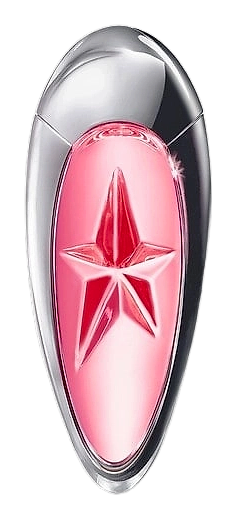
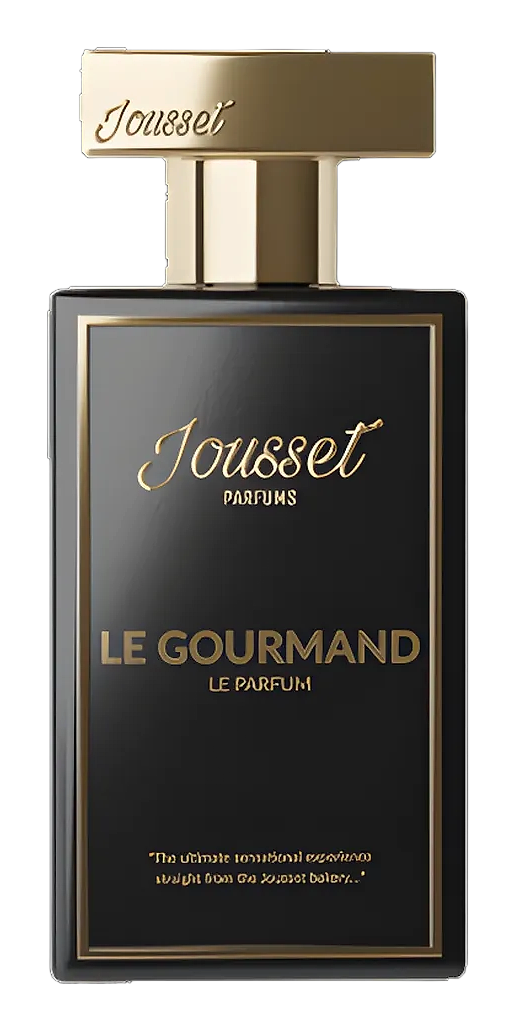
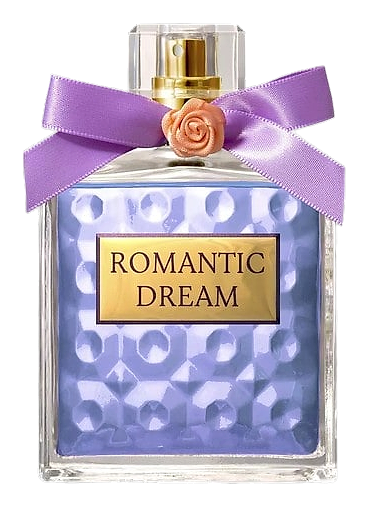
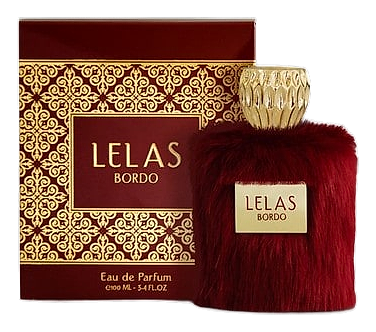
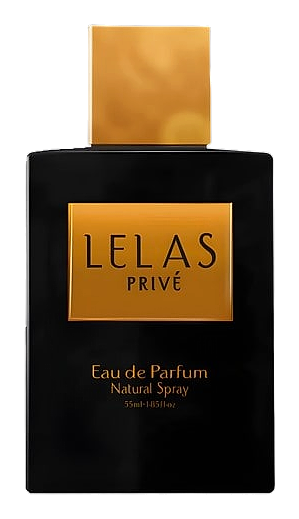
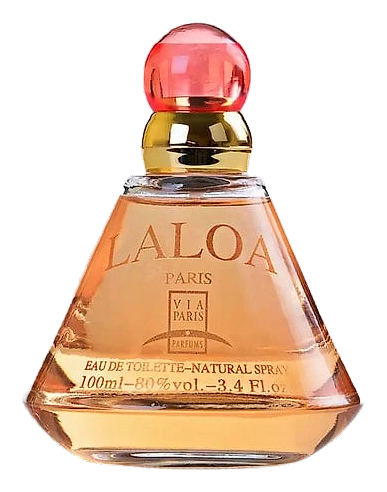
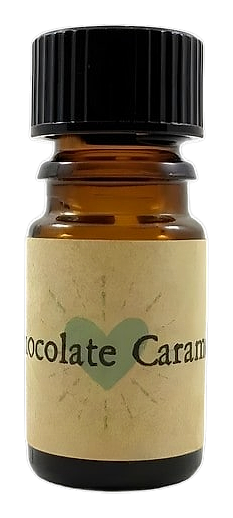
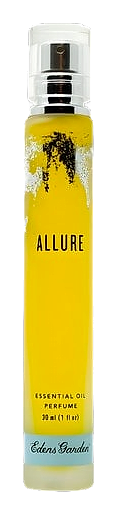
Fragrances featuring Hazelnut cocoa spread



Brands
Brands known for Hazelnut cocoa spread
Good to know
Questions, answered
The essentials on Hazelnut cocoa spread in perfumery: how it smells, where it comes from, and how it behaves on skin.
What does Hazelnut cocoa spread smell like in perfume?
Hazelnut cocoa materials produce warm, edible notes with roasted nuttiness and chocolate undertones. The aroma reads as sweet, buttery, and comforting rather than bitter. In perfumery, it reads as cozy and indulgent, evoking dessert without tasting synthetic. Concentrations typically range from 2-10% in fragrance compounds.
Why is Hazelnut cocoa spread used in perfumery?
Perfumers use hazelnut cocoa to trigger emotional comfort and sensory memory of indulgent treats. These gourmand notes add warmth to fragrance bases and enhance perceived sensuality. The combination works particularly well in cold-weather compositions, providing olfactory texture that consumers find deeply appealing.
Is Hazelnut cocoa spread in perfume natural or synthetic?
Both natural extracts and synthetic analogs exist in perfumery. Natural hazelnut absolute derives from solvent extraction of roasted kernels, while cocoa absolute comes from processed nibs. Reconstructed aroma chemicals can replicate specific notes like gamma-decalactone or furaneol. Most commercial fragrances use a blend of naturals and approved synthetics.
What famous perfumes contain Hazelnut cocoa spread?
Several designer fragrances feature notable hazelnut cocoa combinations. Ferragamo's Ferré makes prominent use of praline and cocoa absolute. Mancuso's Cipresse includes these warm edible notes in its formulation. Consumer reports indicate over 15 mainstream fragrances list cocoa or hazelnut materials among top ingredients, though concentration levels vary.
Is Hazelnut cocoa spread a top note, heart note, or base note?
Hazelnut cocoa materials function primarily as base to heart notes in perfumery. Cocoa absolute typically lasts 8+ hours on fabric, classifying it as a substantial base material. Hazelnut notes bridge heart and base phases, providing bridging warmth. These materials appear in dry-down phases of most compositions that feature them.
What notes pair well with Hazelnut cocoa spread in perfume?
Hazelnut cocoa harmonizes with vanilla, tonka bean, benzoin, and labdanum for added warmth. Florals like iris and rose introduce contrast, while woody materials such as cedar and sandalwood ground the sweetness. Citrus top notes provide brightness, and amber materials amplify the indulgent character.
How is Hazelnut cocoa spread extracted?
Hazelnut kernels are roasted at 130-150 degrees Celsius to develop aromatic compounds, then extracted using hexane or ethanol solvents. Cocoa nibs undergo fermentation and roasting before identical solvent extraction. The resulting concretes are washed and filtered to remove waxes, yielding absolutes typically sold at 50% concentration.
Is Hazelnut cocoa spread used in men's or women's fragrances?
Gender associations have weakened in contemporary perfumery; hazelnut cocoa appears across fragrance categories. These notes feature prominently in masculineoriental compositions and unisex gourmands alike. Market data suggests approximately 45% of fragrances listing hazelnut or cocoa target female consumers, with 35% marketed to males and 20% positioned as unisex.