Character
The Story of Haitian vanilla orchid
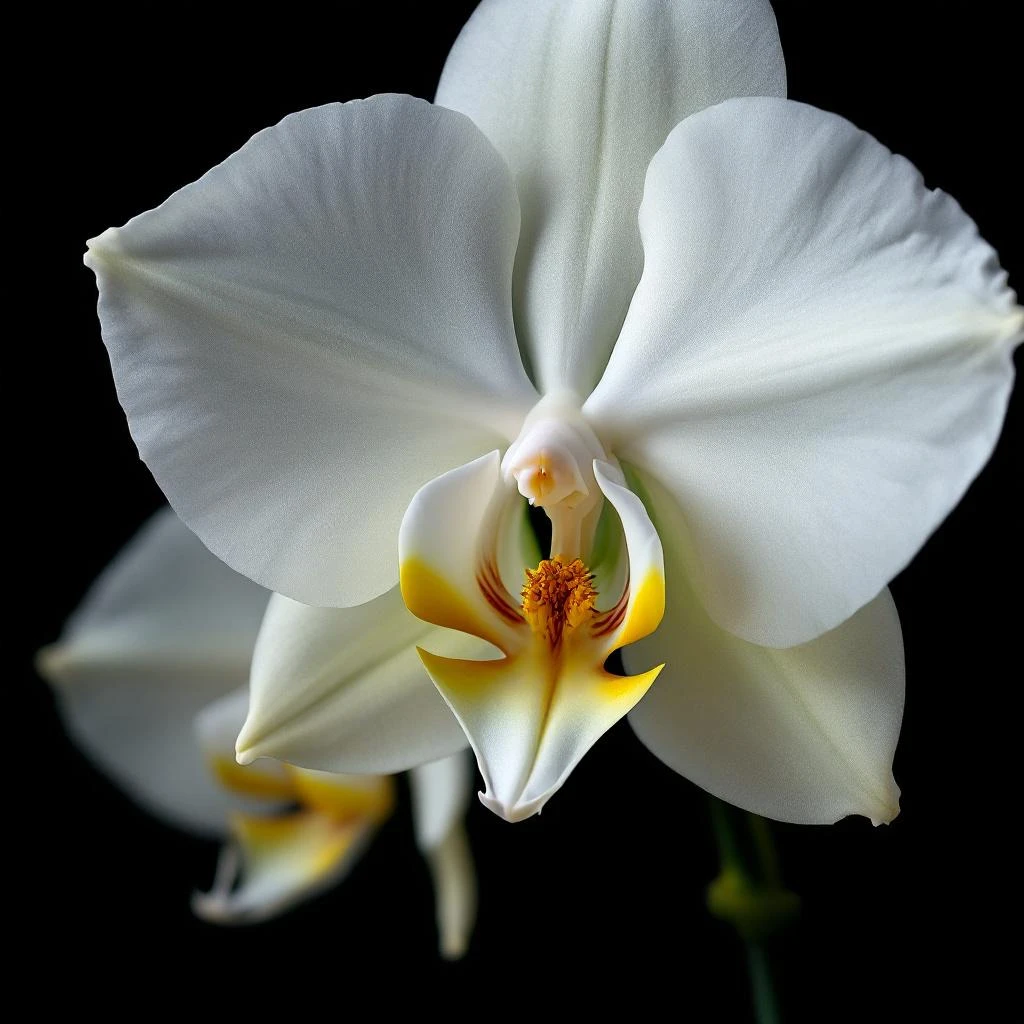
Discover the Haitian vanilla orchid, a tropical treasure whose cured beans release a creamy, subtly woody aroma that anchors perfume compositions with lasting depth.
Heritage
The story of the Haitian vanilla orchid starts in the lowland forests of southeastern Mexico, where Indigenous peoples first domesticated Vanilla planifolia for food, medicine, and ritual scent. Spanish explorers carried the plant to the Caribbean in the 16th century, and by the early 1800s it found a foothold on Haiti’s volcanic slopes. Haitian growers adopted the hand‑pollination technique discovered by Edmond Albius on Réunion, allowing reliable bean production. Throughout the 19th century, Haitian vanilla supplied European perfume houses, prized for its bright, fruity nuance that differed from the richer Madagascar harvests. The industry survived the 1910s‑1920s export decline by shifting to small‑scale, shade‑grown farms that intercropped with coffee and cacao. In the modern era, Haitian vanilla remains a niche but respected source for natural absolutes, valued by perfumers who seek a note that combines classic creaminess with a subtle citrus edge.
At a Glance
1
Feature this note
Haiti
Primary source region
Ingredient Details
Solvent extraction
Dried seed pods
Did You Know
"A single Haitian vanilla orchid can produce up to 500 beans per year, each bean containing over 250 distinct aromatic compounds that evolve during the months‑long curing process."