Character
The Story of Greens
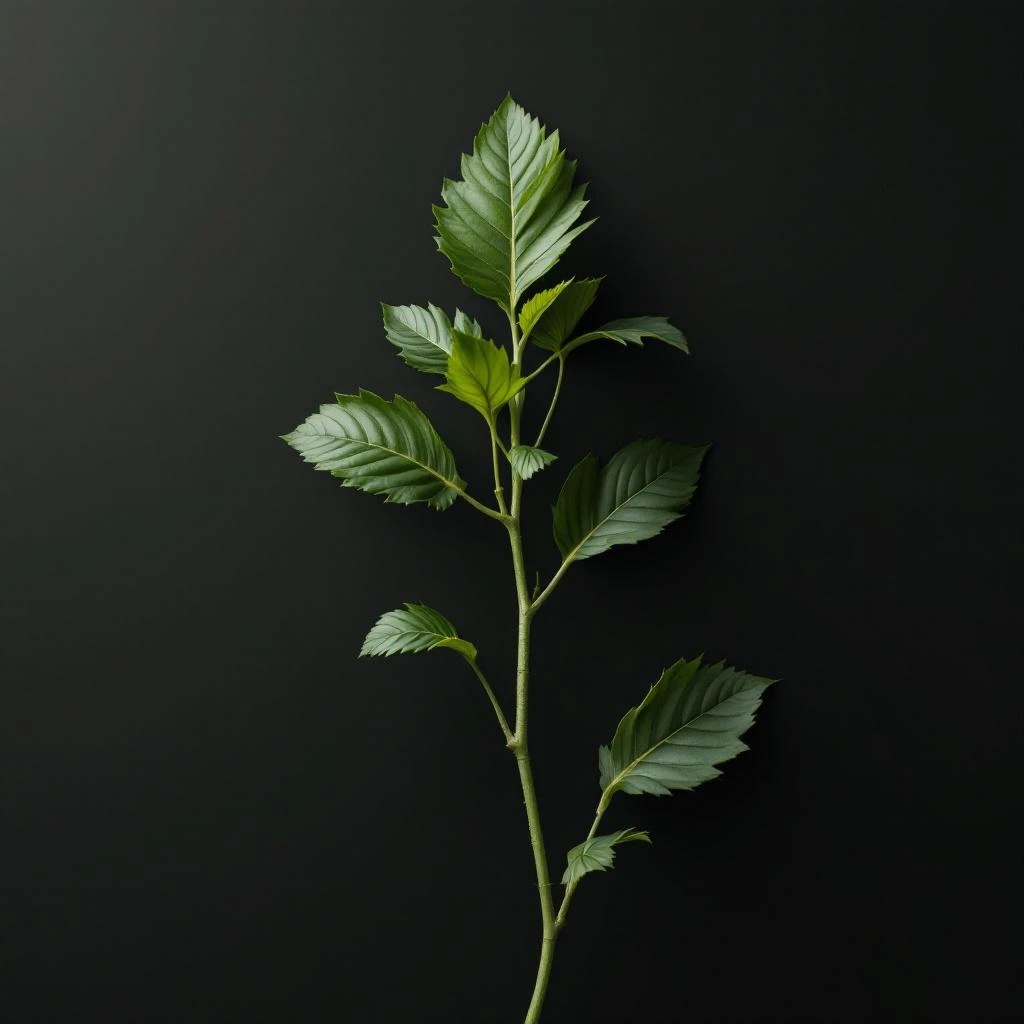
Greens evoke the lively aroma of freshly cut leaves, dewy grass, and herbaceous stems, translating the pulse of a sun‑lit garden into a clear, invigorating scent that brightens any composition.
Heritage
Ancient cultures prized green foliage for its invigorating scent. Egyptian tombs contain remnants of crushed mint and coriander used in ritual incense, while Greek texts describe the use of crushed rosemary in ceremonial garlands. By the 16th century, European apothecaries distilled sage and thyme to create aromatic waters for both medicine and perfume. The Industrial Revolution introduced steam distillation, allowing perfumers to isolate leaf oils on a larger scale. In 1889, chemist Albert Baur synthesized the first artificial green molecule, cis‑3‑hexenol, opening a new chapter for modern perfumery. Throughout the 20th century, green notes migrated from background accents to star ingredients, defining the fresh character of many classic fougère and chypre structures. Today, green accords anchor contemporary scents that aim to evoke natural landscapes without relying on actual plant material, balancing tradition with scientific precision.
At a Glance
1
Feature this note
France
Primary source region
Ingredient Details
Steam distillation
Fresh leaves, stems, herbaceous foliage
Did You Know
"The compound cis‑3‑hexenol, identified in 1965, makes up more than 70 % of the aroma profile of freshly cut grass and serves as a key building block for contemporary green notes."