Character
The Story of Green stems
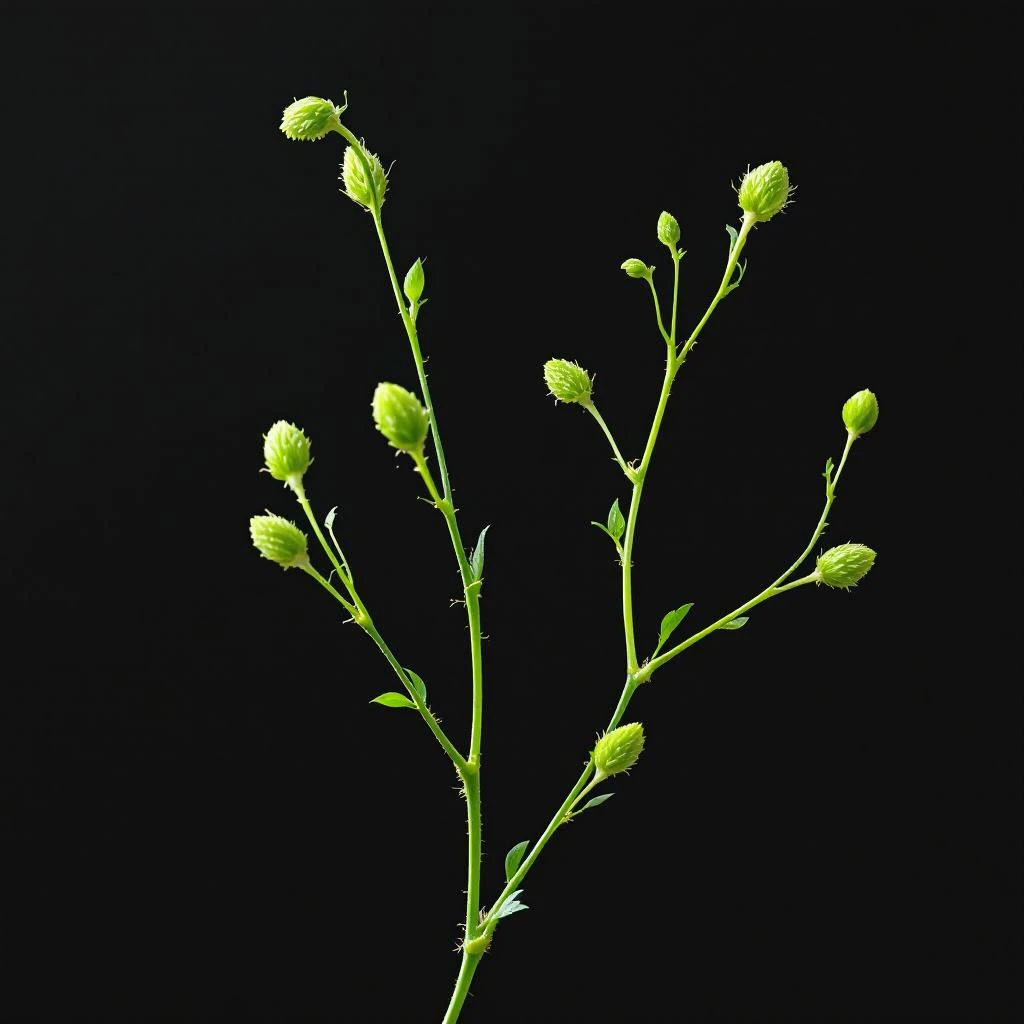
Green stems capture the crisp, verdant pulse of fresh shoots, delivering a bright, herbaceous edge that awakens the senses with a clean, leafy vigor.
Heritage
Green stem aromas have guided human scent practices for centuries. Ancient Egyptians burned the resin of galbanum stems as incense in temples, believing the sharp green smoke purified sacred spaces. Classical Greek texts describe the use of rosemary shoots to scent baths, noting their invigorating effect. During the Middle Ages, herbalists distilled rosemary and sage stems to create medicinal balms that doubled as perfume. The 19th‑century rise of modern perfumery in Paris introduced steam distillation, allowing perfumers to isolate the bright green note from fresh shoots for the first time. By the early 1900s, green stem extracts appeared in iconic chypre and fougère compositions, providing the crisp counterpoint to amber and leather bases. Today, the note links historic botanical rituals with contemporary fragrance design, reminding creators of the plant’s enduring ability to evoke the outdoors.
At a Glance
1
Feature this note
Turkey
Primary source region
Ingredient Details
Steam distillation
Fresh stems
Did You Know
"The green stem note often comes from galbanum, a resinous plant native to the Mediterranean; its stems were traded as incense in ancient Egypt, linking modern perfumery to millennia‑old rituals."