    Ingredient Profile

    Green Sap fragrance note

    Green Sap captures the vivid, resinous scent of fresh pine sap, delivering a crisp, forest‑filled pulse that brightens compositions and anch…More

    France

    1

    Fragrances

    Fragrances featuring Green Sap

    Character

    The Story of Green Sap

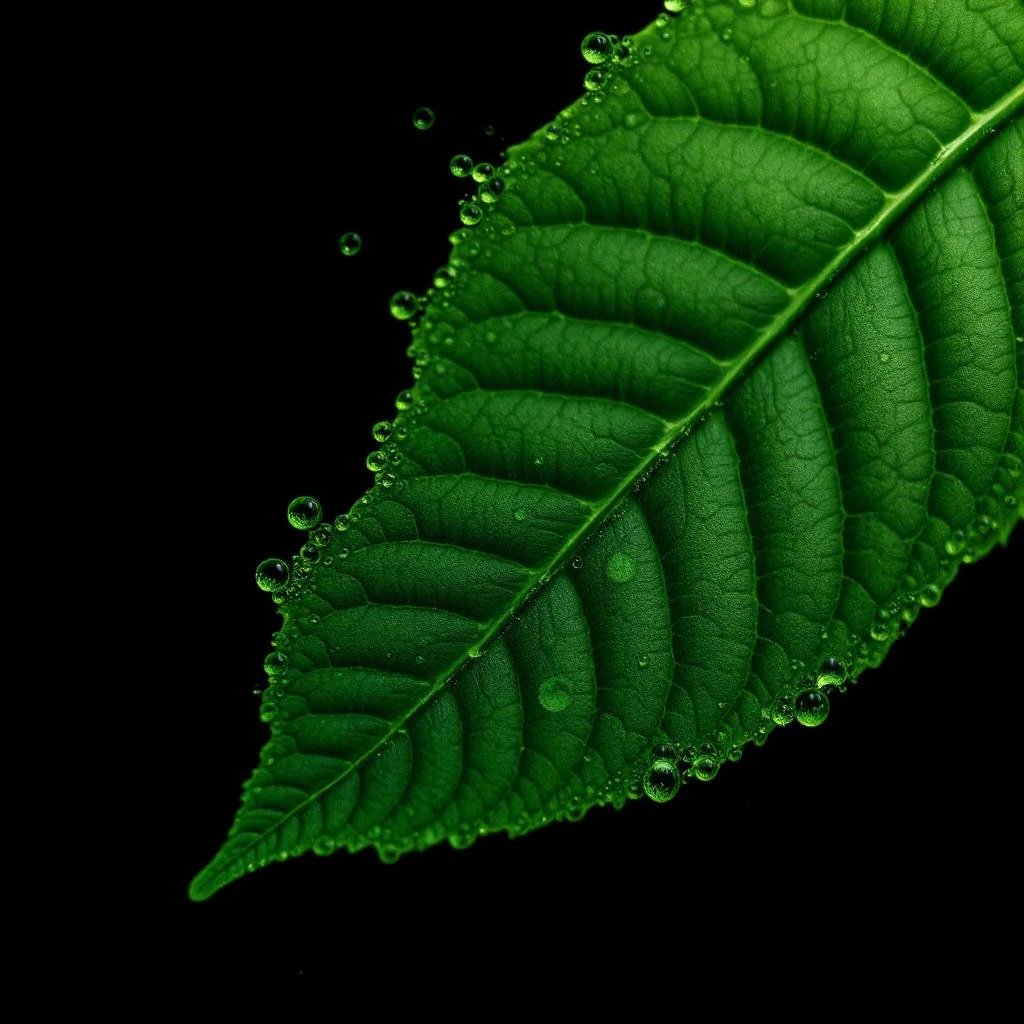
    Green Sap captures the vivid, resinous scent of fresh pine sap, delivering a crisp, forest‑filled pulse that brightens compositions and anchors green accords with natural authenticity.

    Heritage

    Ancient cultures prized pine resin for its preservative and aromatic qualities, using it in incense and early scented balms. Medieval European apothecaries recorded the use of fresh pine sap to mask unpleasant odors in medicinal preparations. In the 19th century, French perfumers began isolating the sap's green notes, adding them to the first modern Eau de Cologne blends. The rise of steam distillation in the late 1800s allowed the pure oil to enter luxury fragrance houses, where it became a signature element in green and woody compositions. During the Art Deco era, Green Sap featured prominently in avant‑garde perfumes that celebrated nature's vigor. Today, sustainable harvesting practices in the French Alps protect forest health while supplying a coveted ingredient that connects contemporary scents to centuries of aromatic tradition.

    At a Glance

    Fragrances

    1

    Feature this note

    Origin

    France

    Primary source region

    Ingredient Details

    Extraction

    Steam distillation

    Used Parts

    Fresh pine sap

    Did You Know

    "A single mature pine tree can exude up to 0.8 L of sap each spring, enough to produce roughly 150 mL of pure Green Sap oil after distillation."

    Production

    How Green Sap Is Made

    Harvesters climb living pine trees in the early months when sap flow peaks. They make a small incision in the bark and collect the clear liquid in stainless steel containers. The raw sap is filtered on site to remove bark fragments, then shipped to a distillation facility. There, engineers heat the sap in a steam distillation column at 100 °C, allowing volatile green compounds to rise with the steam. The vapor condenses into a clear, amber‑tinged oil that retains the sap's bright, resinous character. Typical yields range from 12% to 18% by weight, depending on tree species and climate. For sap that cannot be distilled efficiently, producers use low‑temperature solvent extraction with ethanol, followed by vacuum evaporation to preserve delicate aromatics. In parallel, chemists synthesize key molecules such as pinene and cis‑3‑hexenol to supplement natural supplies, ensuring a stable inventory for perfumers worldwide.

    Provenance

    France

    France45.0°N, 6.5°E

    About Green Sap