
Character
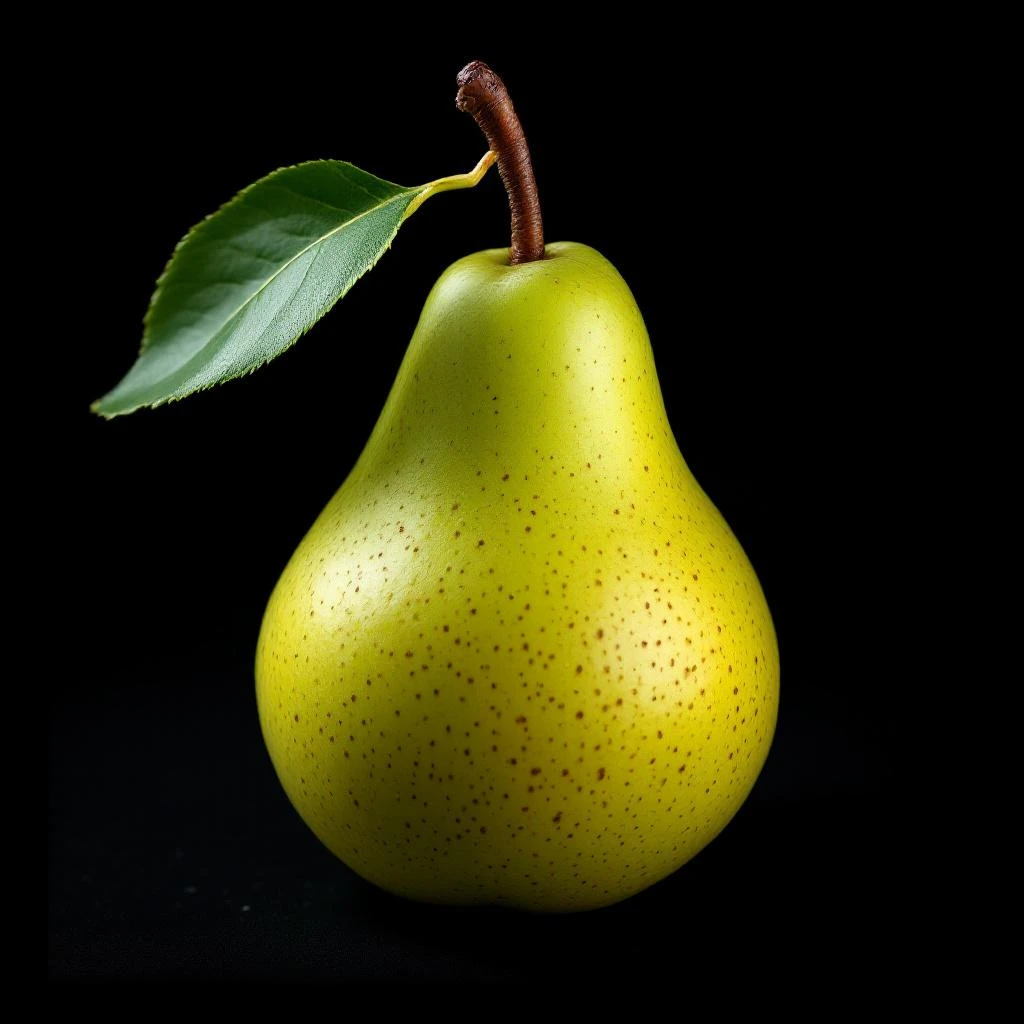
The Story of Green pear
Green Pear captures the scent of a crisp orchard pear just bitten into — juicy at its core, wrapped in a bright, almost aldehydic greenness. This note sits at the intersection of fruit and freshness, bringing an immediate vibrancy that lifts entire compositions.
Heritage
The pear tree, Pyrus communis, originated in the mountainous regions of Western China, where wild varieties have grown for thousands of years. Chinese texts document pear cultivation as early as 1134 BCE, and the fruit held significant positions in ancient medicine and ritual. From China, cultivation spread westward along trade routes, reaching the Mediterranean by 1000 BCE. The Greeks and Romans embraced pears enthusiastically. Roman agricultural writers like Columella and Pliny described dozens of pear varieties, and Roman gourmet Apicius included pears in his recipe collections. The fruit appeared in Roman gardens alongside figs and grapes. After the fall of Rome, medieval monastery gardens maintained pear cultivation across Europe. By the 18th century, European breeders had developed hundreds of varieties suited to different climates and uses. Perfumery incorporated pear notes for centuries, but the actual aromatic character remained difficult to capture until 20th-century organic chemistry provided the tools to synthesize nature-identical compounds.
At a Glance
2
Feature this note
China
Primary source region
Ingredient Details
Synthetic
Fruit (nature-identical esters)
Did You Know
"Pear is one of the few fruits with no natural fragrance extraction. Its volatile esters exist at ppm concentrations, making synthetic recreation the industry standard for capturing that distinctive juicy bite."