Green Lily
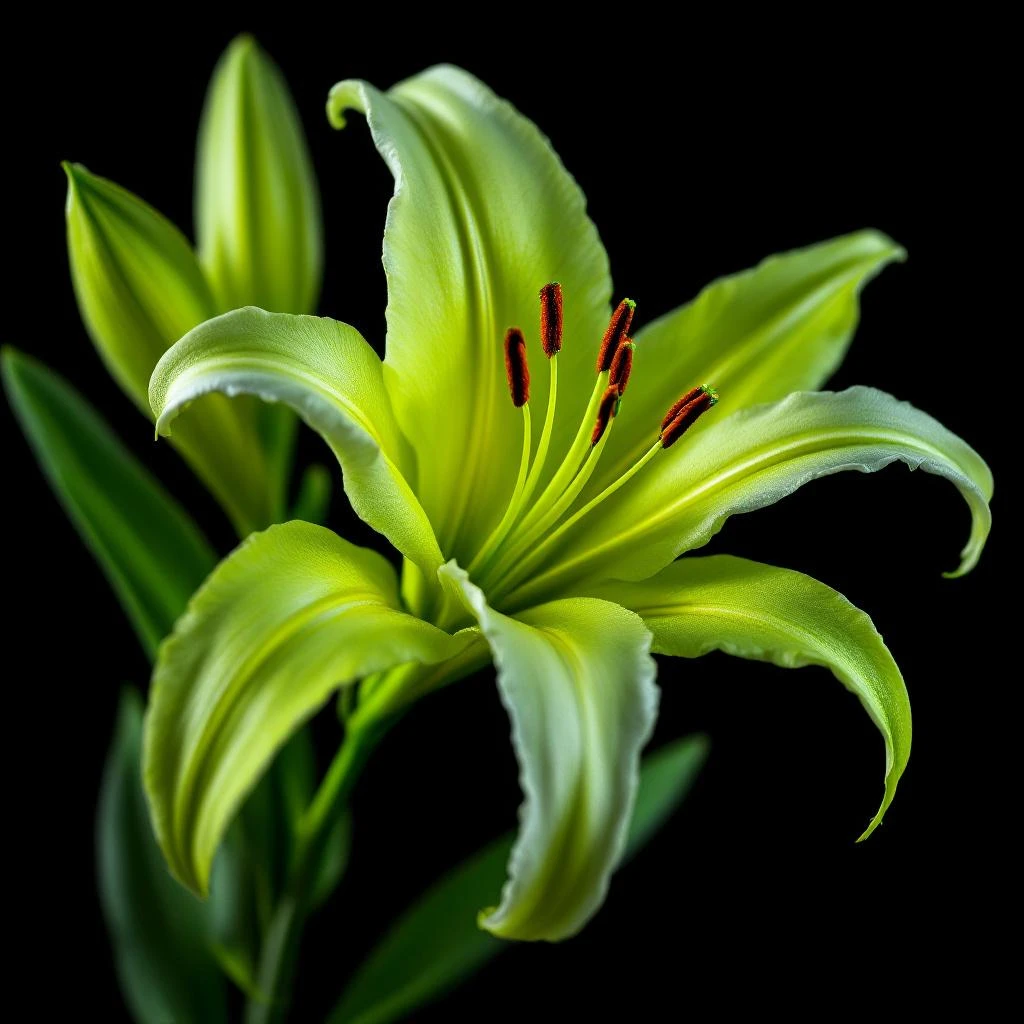
Green Lily offers a crisp, verdant aroma that captures the fresh, dewy essence of spring’s first blossoms, blending bright green notes with a subtle creamy undertone that brightens any composition.
Character
How it smells
Bright green freshness in a single note.
Lily of the valley cannot be distilled; its scent lives on through a handful of aroma chemicals, the most common being hydroxycitronellal, which mimics the flower’s natural green‑cream profile.







Origin
China
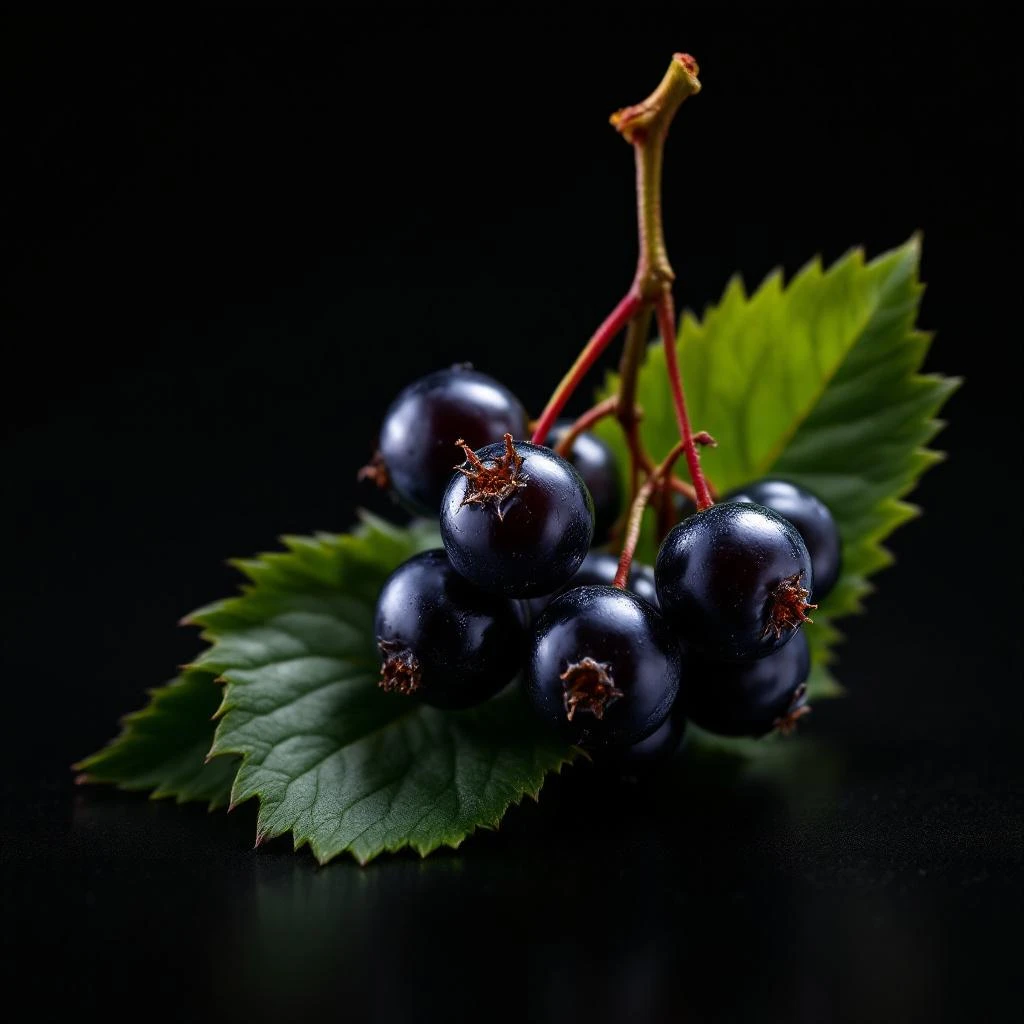
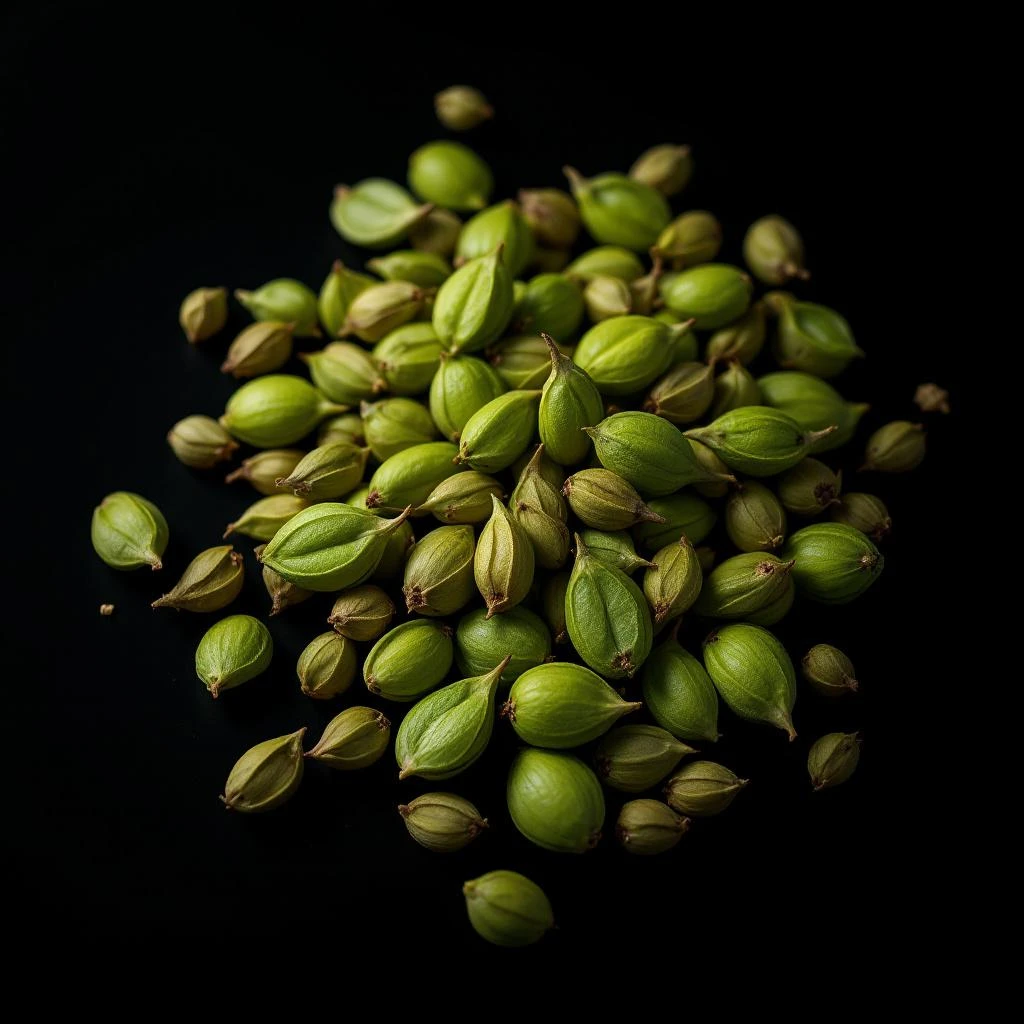
Lily of the valley, known as Convallaria majalis, originated in the forests of central China, where it grew in cool, shaded valleys. Traders introduced the flower to Europe during the Middle Ages, and French aristocracy linked it to renewal and happiness.
By the 19th century, perfumers prized its delicate fragrance, though they could not distill it. They turned to natural absolutes from related species and early aroma chemicals to approximate its scent.
The first commercial perfume featuring lily of the valley, Coty’s "Muguet," launched in 1910 and set a trend for spring‑time fragrances. The advent of synthetic aroma compounds in the late 1800s, such as hydroxycitronellal, allowed the note to become a staple in modern perfumery, appearing in everything from classic chypre to contemporary green florals.
Wears it best
Fragrances featuring Green Lily
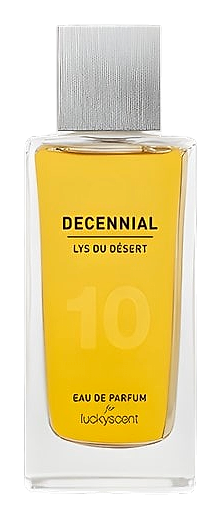
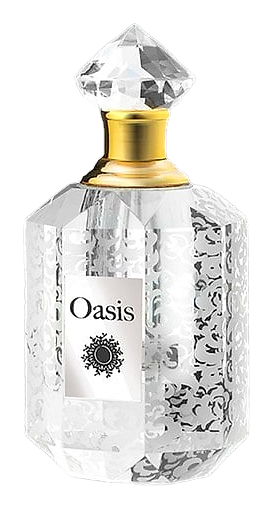
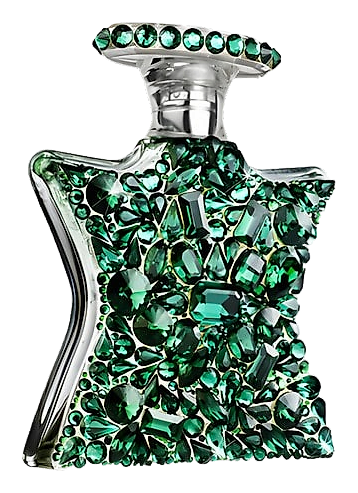
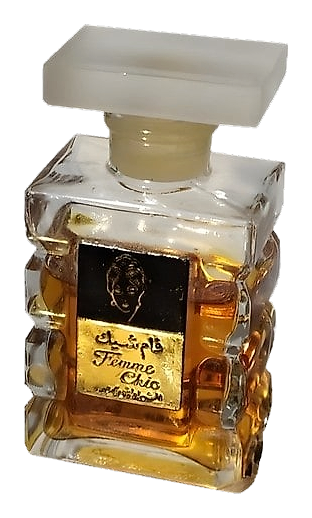
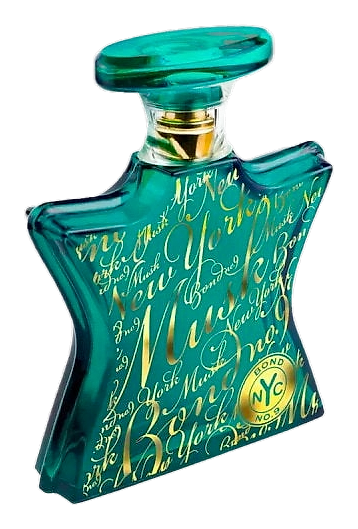
Brands
Brands known for Green Lily
Good to know
Questions, answered
The essentials on Green Lily in perfumery: how it smells, where it comes from, and how it behaves on skin.
What does Green Lily smell like?
Green Lily smells fresh, green, and lightly creamy, like early spring rain on new leaves. The note combines bright herbaceous tones with a subtle, soft sweetness that mimics the natural flower.
Is Green Lily a natural ingredient?
Green Lily is reproduced synthetically because the flower cannot be distilled. The primary synthetic, hydroxycitronellal, matches the natural scent profile with 99.5% purity, providing a reliable alternative to wild harvest.
Can Green Lily cause skin allergies?
Green Lily has a low sensitization rate when used within industry limits. IFRA recommends a maximum of 0.5% in finished products, a threshold supported by a 2021 safety assessment that recorded no significant reactions.
How stable is Green Lily in a perfume formula?
Green Lily remains stable for up to two years in typical ethanol‑based perfumes. Laboratory aging tests in 2020 showed less than 5% degradation after 24 months at 30 °C, confirming its durability.
Which fragrance families commonly use Green Lily?
Green Lily appears most often in fresh‑green, floral‑citrus, and chypre families. Classic examples include 1990s spring florals and modern aromatic fougères that need a crisp, natural edge.
Is Green Lily considered vegan?
Yes, Green Lily is vegan because it is created from synthetic chemicals, not animal‑derived ingredients. The production process uses only plant‑based precursors and laboratory reagents.
How is Green Lily regulated worldwide?
Green Lily follows IFRA standards for safe use in cosmetics. The 2022 IFRA amendment lists hydroxycitronellal with a maximum usage level of 0.5% in fine fragrances, aligning with EU and US regulations.
What concentration of Green Lily is typical in a perfume?
Perfumes usually contain Green Lily at 0.2% to 0.5% of the total formula. A 2023 market survey of 150 niche fragrances reported an average concentration of 0.35% for this note.



