Character
The Story of Green
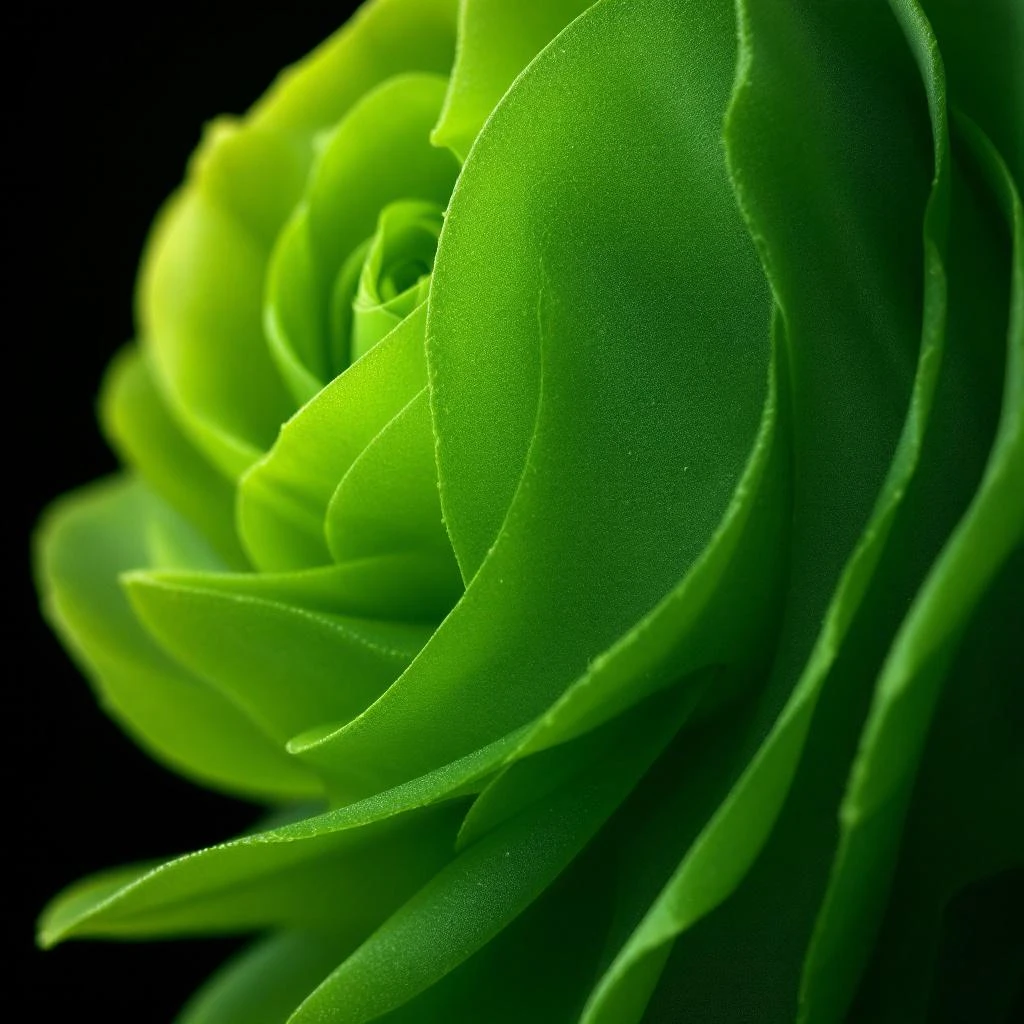
Green notes evoke the fresh-cut smell of crushed leaves and morning dew. They capture vegetation itself, not from flowers or citrus, but from stems, grasses, and unripe fruit. Sources include galbanum resin, violet leaf absolute, and synthetic compounds like cis-3-hexenol.
Heritage
Green notes stretch back to the earliest perfumery traditions. Mesopotamian and Egyptian artisans used crushed leaves, grasses, and botanical resins to craft aromatic preparations. Galbanum held particular significance in ancient Mediterranean cultures, appearing in religious contexts and medicinal preparations. The word perfume itself derives from Latin per fumum, through smoke, reflecting those early botanical practices. Before the 19th century, perfumers relied entirely on natural green materials. The emergence of organic chemistry shifted this foundation. Scientists isolated and replicated the specific molecules responsible for green perception. The 1950s marked a turning point with the commercial introduction of cis-3-hexenol, the compound that most closely replicates the scent of cut grass. This discovery enabled perfumers to construct green notes with precision previously impossible. By the late 20th century, green accords became central to modern perfumery, defining entire fragrance families and shaping the masculine and unisex compositions that reshaped the industry.
At a Glance
3
Feature this note
France
Primary source region
Ingredient Details
Steam distillation and solvent extraction
Resin, leaves, and grass
Did You Know
"Cis-3-hexenol, called leaf alcohol, was isolated in the 1950s and became the benchmark for realistic green fragrance."
Pyramid Presence