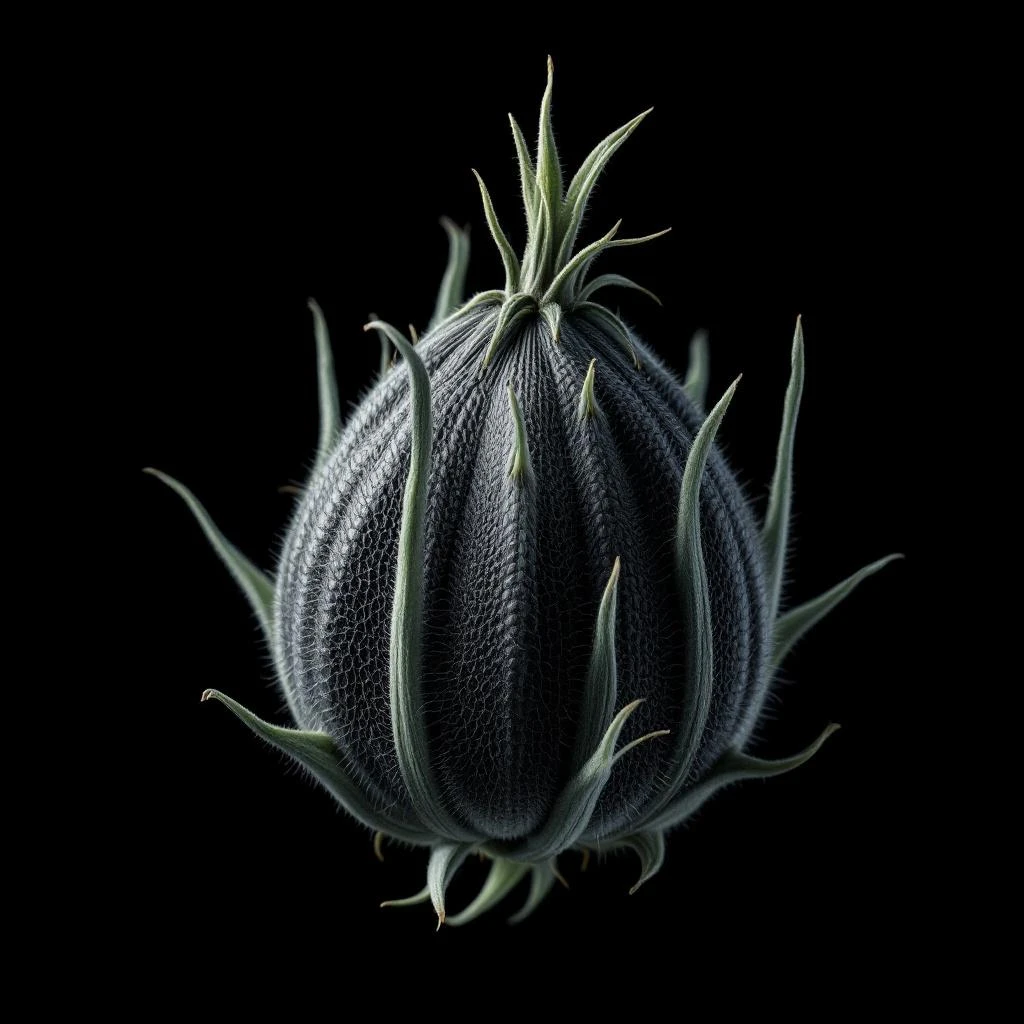
Gray Musk
Gray Musk captures the warm, powdery soul of classic perfumery. Once derived from the glandular secretion of the male musk deer, it now lives on as a synthetic or plant-based aromatic that forms the intimate base of countless fragrances.
Character
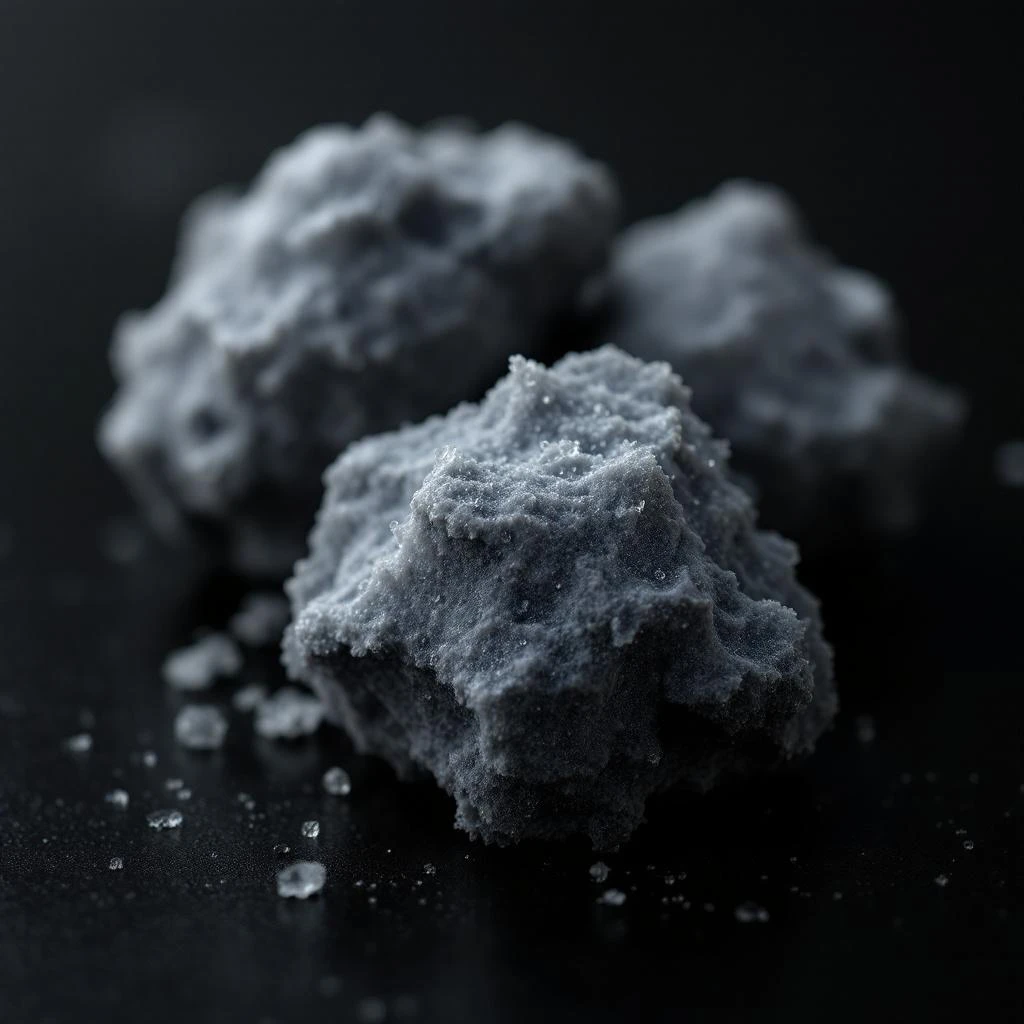
How it smells
The warm, powdery pulse beneath your skin, unchanged for millennia.
The original animal musk tinctures contained fecal-smelling compounds called indole and skatole. Synthetic musks cleaned these notes, creating the sweet, smooth scent most people recognize today.






Origin
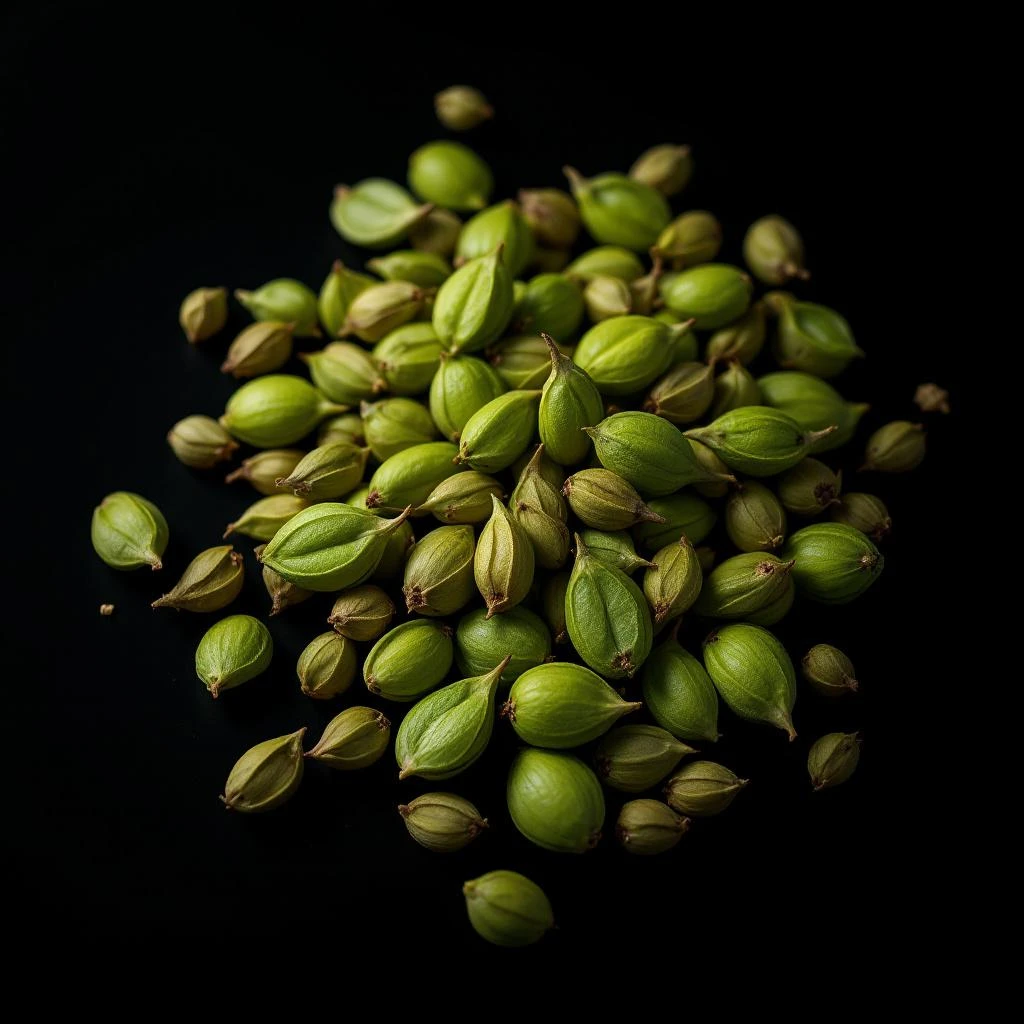
India
Musk is among the oldest aromatic substances in human history. Ancient Mesopotamians and Egyptians used it in religious rituals and early perfumes, while Chinese and Indian healers incorporated it into medicinal preparations.
Trade routes carried musk pods across continents for centuries. The 1960s and 1970s marked musk's cultural peak—its warm, sensual character defined a generation of fragrances and reshaped modern perfumery.
By 1979, trade pressure had pushed the musk deer to the brink of extinction, prompting CITES protections that effectively ended natural musk in perfumery. What followed was a quiet revolution: synthetic musks preserved the warm, intimate qualities perfumers loved while eliminating the ethical and supply-chain burdens of the original.
Wears it best
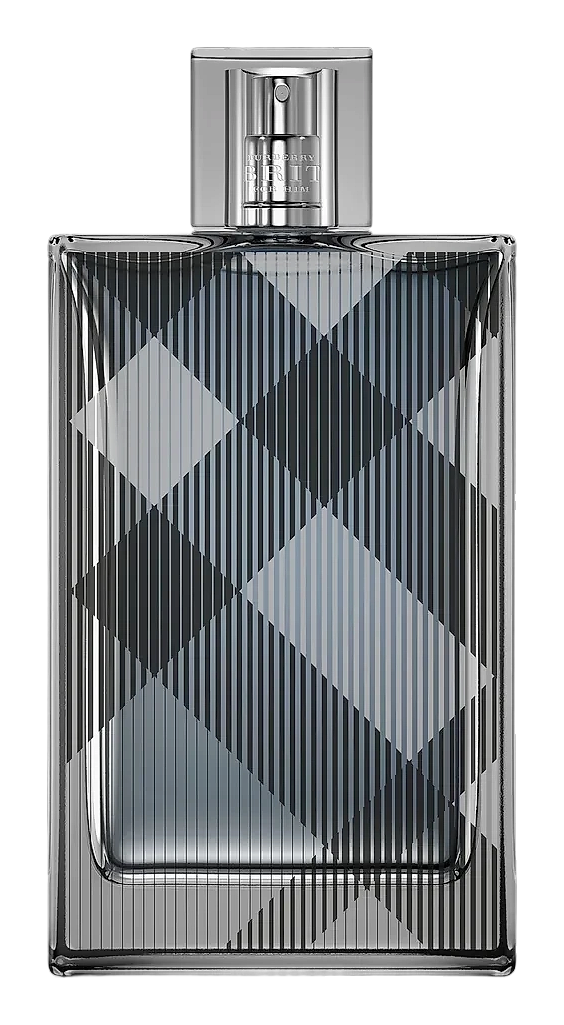
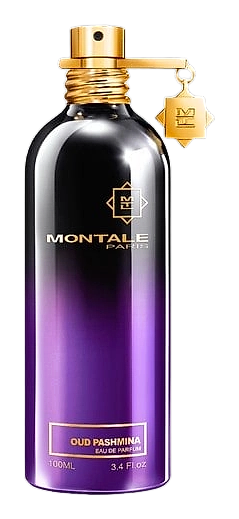
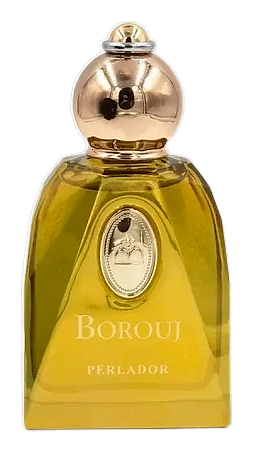
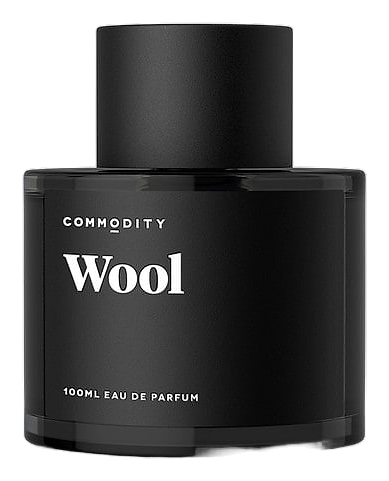
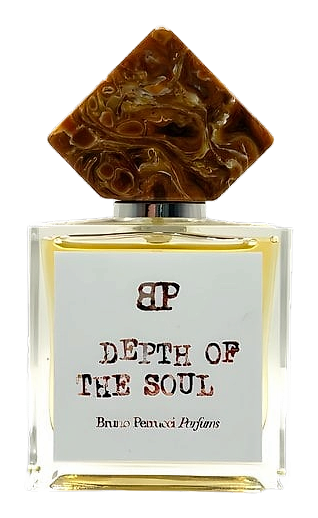
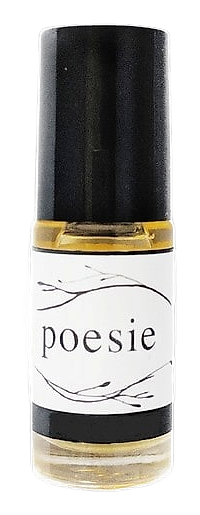
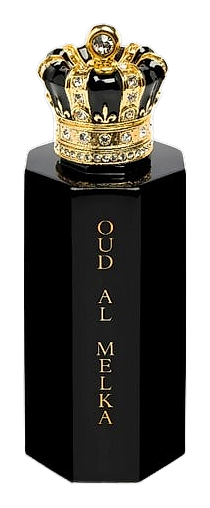
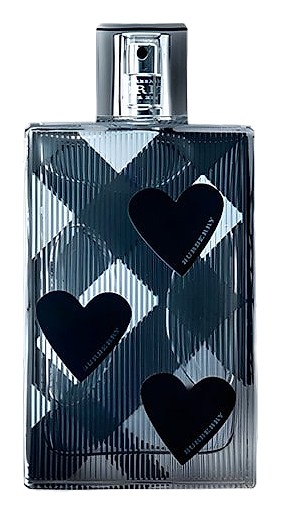
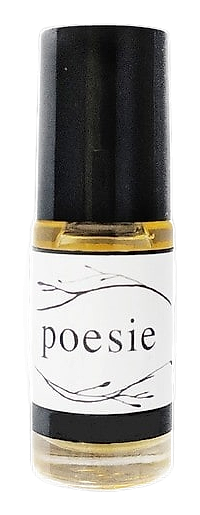
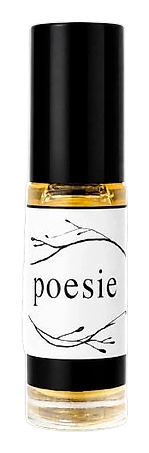
Fragrances featuring Gray Musk
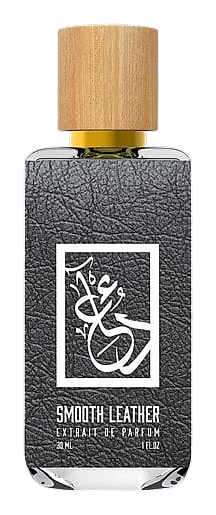
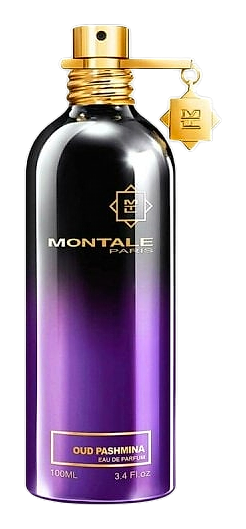
Brands
Brands known for Gray Musk
Good to know
Questions, answered
The essentials on Gray Musk in perfumery: how it smells, where it comes from, and how it behaves on skin.
What is Gray Musk in perfumery?
Gray Musk refers to the warm, powdery, slightly sweet aromatic compounds used as a base note in modern fragrances. Originally sourced from the musk deer's abdominal gland, it now exists almost exclusively in synthetic or plant-based forms.
When was musk first used in perfumery?
Musk appears in Mesopotamian and ancient Egyptian perfumery as early as 3,000 BCE. It was reserved for religious rituals and royal cosmetics before becoming a staple of classical perfumery across China, India, and the Levant.
Why did perfumery shift away from animal-derived musk?
The musk deer's gland required killing the animal, and demand drove populations toward extinction. CITES banned international trade in 1979. Economic and ethical motives had already begun pushing perfumers toward synthetic alternatives by the late 19th century.
What does Gray Musk smell like?
Gray Musk carries a warm, powdery character with subtle sweetness and lingering softness on the skin. Modern synthetics can introduce slight floral or woody nuances, making it adaptable across masculine, feminine, and unisex compositions.
What role does musk play in fragrance composition?
Musk functions as a fixative, slowing the evaporation of lighter top and heart notes so the fragrance lingers on skin for hours. It also adds roundness and depth, creating an intimate connection between the scent and the wearer.
Are there plant-based alternatives to animal musk?
Yes. Angelica root, ambrette seed, and musk flower (Mimulus moschatus) offer warm, creamy musk-like qualities without animal involvement. These plant sources have expanded perfumers' options for ethical fragrance creation.
How is synthetic musk produced today?
Modern synthetic musks are crafted from aromatic compounds like macrocyclic lactones and nitro-musks in controlled laboratory settings. These molecules mimic the original's scent profile, stability, and fixative capacity without requiring animal sacrifice.
What is the difference between Gray Musk and White Musk?
Gray Musk often carries a warmer, slightly animalic and woody complexity from older nitro-musks. White Musk describes cleaner, more transparent synthetic variants developed in recent decades, favoring powdery clarity over earthy depth.