Character
The Story of Grasse Jasmine
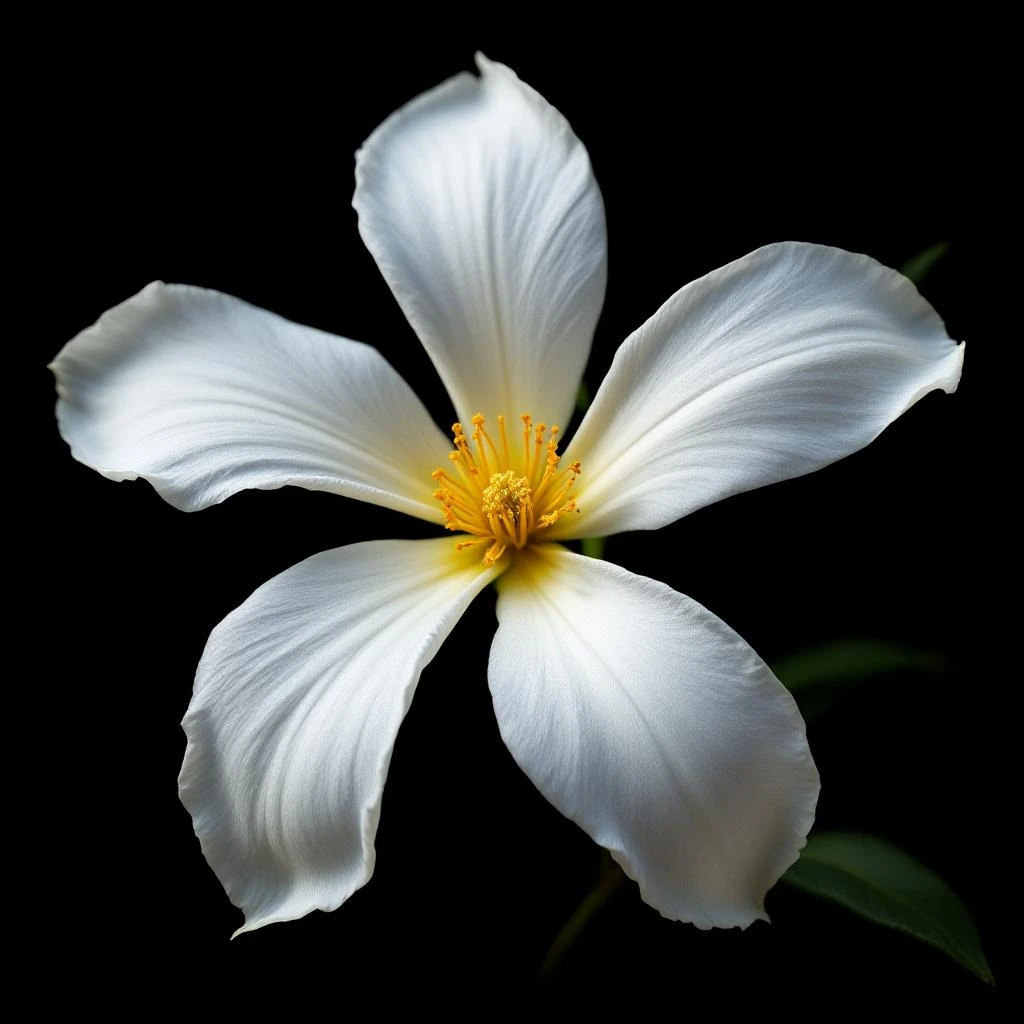
Grasse jasmine represents the pinnacle of floral perfumery. Cultivated in the sun-drenched hills of southern France, these hand-harvested blooms yield an opulent absolute with intoxicating white floral notes prized by the world's finest perfumers.
Heritage
Grasse's romance with jasmine grew from an unexpected source: the leather trade. In the 16th century, local tanners used jasmine to mask the foul odors of their work. When a tanner named Molinard presented Catherine de Medici with perfumed gloves, jasmine's fate in France was sealed. The trend swept through the French court, and by the late 18th century, Grasse had fully pivoted from leather to florals. The region's unique geography proved ideal: limestone-rich soil, abundant hillside springs, and a microclimate sheltered by Alpine foothills create conditions that produce jasmine with exceptional aromatic complexity. UNESCO recognized this heritage in 2018, designating Grasse's perfume-making expertise an Intangible Cultural Heritage. Today, Grasse jasmine absolute commands prices exceeding €59,000 per kilogram, a testament to its unmatched quality and the labor it demands.
At a Glance
1
Feature this note
France
Primary source region
Ingredient Details
Solvent extraction
Fresh flower buds
Did You Know
"It takes roughly 7,000 hand-picked jasmine flowers to produce a single gram of absolute, making Grasse jasmine one of perfumery's most precious materials."