Character
The Story of Glazed vanilla
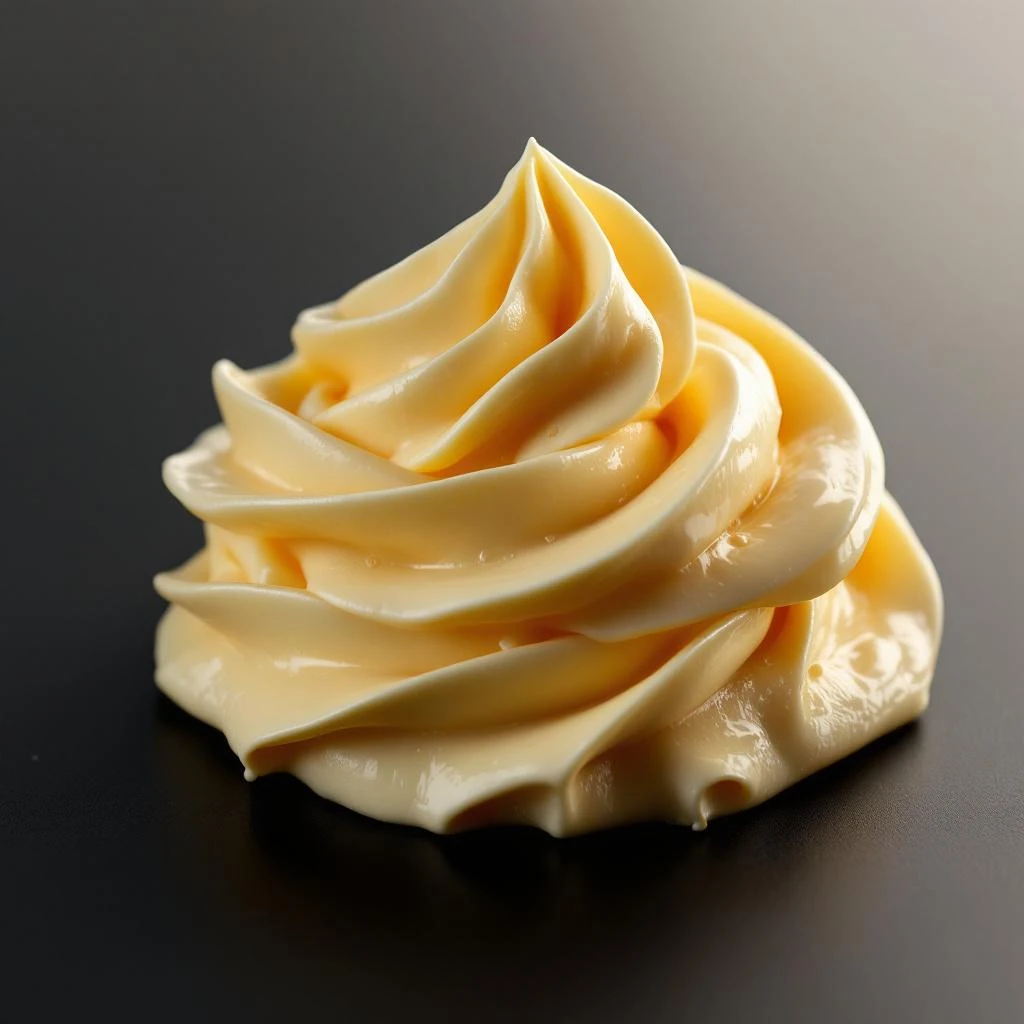
Glazed vanilla delivers a glossy, sweet vanilla scent wrapped in caramelized sugar, offering a buttery depth that brightens gourmand blends without overwhelming the composition.
Heritage
Vanilla entered European perfumery in the 16th century after Spanish explorers brought cured beans from Mesoamerica. The plant remained a rarity until 1841, when Edmond Albius, a 12‑year‑old on Réunion, discovered a hand‑pollination method that tripled yields. This breakthrough enabled larger scale cultivation in Madagascar, which today supplies over 80% of the world’s vanilla. In the late 19th century, chemists synthesized vanillin, making vanilla aroma widely accessible but often flat. The glazed vanilla technique emerged in the early 2000s as artisans sought a richer, sweeter nuance. By coating cured beans with sugar before extraction, they recreated the caramelized scent of beans roasted over open fire, a practice documented in Malagasy farms since 2010. Modern niche houses adopt glazed vanilla to add a glossy, gourmand edge while honoring the ingredient’s historic roots.
At a Glance
1
Feature this note
Madagascar
Primary source region
Ingredient Details
Solvent extraction
Dried cured beans
Did You Know
"The first synthetic vanillin, created in 1874, still supplies most of the vanilla aroma used today, but glazed vanilla retains a natural sugar-coated nuance that pure synthetics lack."