Gardenia Water
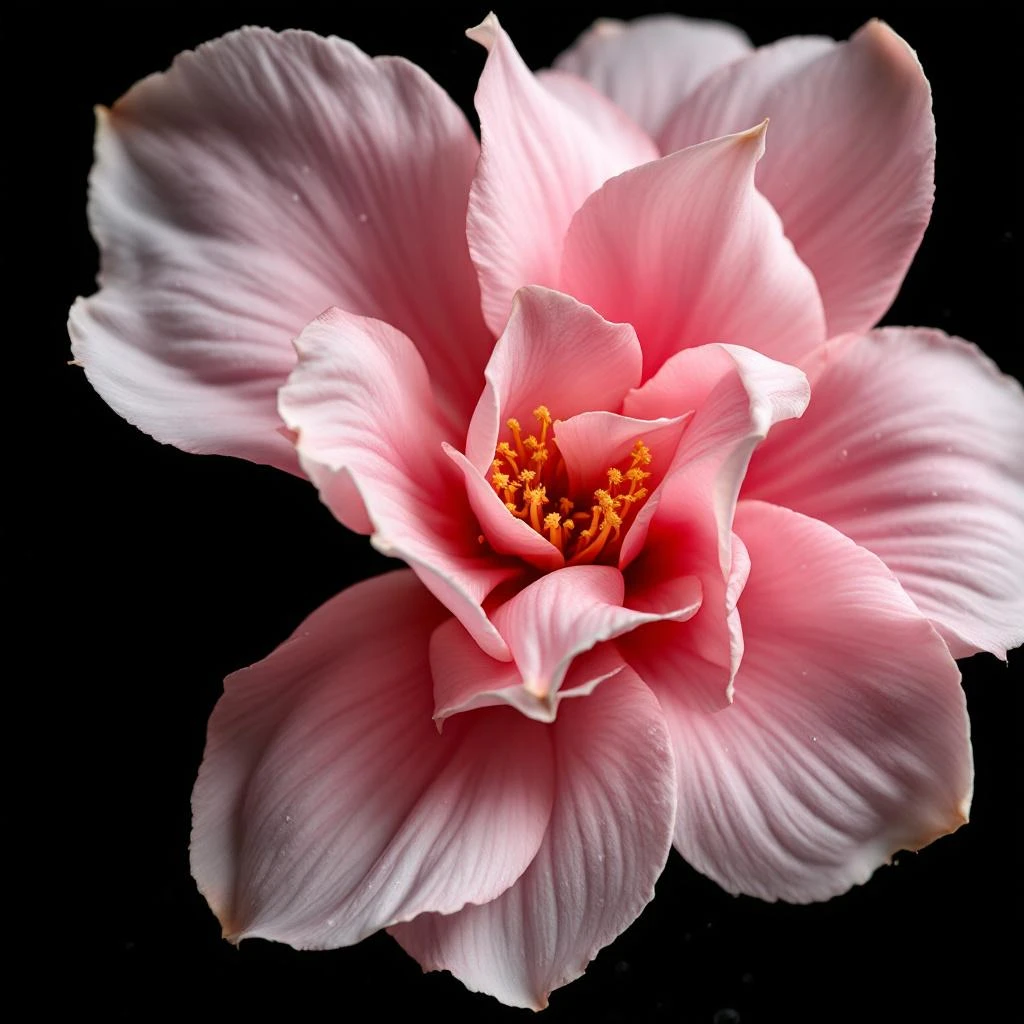
Gardenia water captures the creamy, luminous scent of the gardenia blossom without a single drop of oil. This reconstructed note blends science and scent, delivering the flower’s signature radiance in a stable, versatile form.
Character
How it smells
The impossible gardenia, now in a bottle.
Gardenia water is one of the few fragrance ingredients that never existed as a natural extract; perfumers had to invent it from scratch to bring the flower’s aroma to modern noses.





Origin
China
Gardenia’s fragrance story begins in ancient China, where the white blossoms were brewed into tea and burned as incense. The plant traveled along trade routes to the Arab world, where early perfumers experimented with its scent in oil infusions. In the 19th century, European botanists introduced gardenia to France, naming it after Scottish naturalist Dr.
Alexander Garden. However, attempts to extract a true gardenia oil failed, leaving the flower absent from early modern perfumes. The breakthrough arrived after World War I, when synthetic chemistry unlocked the ability to recreate gardenia’s aroma.
By the 1950s, perfume houses began listing "gardenia water" on their formulas, allowing the once‑elusive note to flourish in classic and contemporary fragrances alike.
Wears it best
Fragrances featuring Gardenia Water
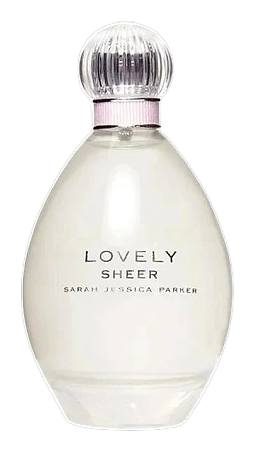
Brands
Brands known for Gardenia Water
Good to know
Questions, answered
The essentials on Gardenia Water in perfumery: how it smells, where it comes from, and how it behaves on skin.
What is gardenia water?
Gardenia water is a synthetic fragrance ingredient that mimics the scent of gardenia blossoms. It reproduces the flower’s creamy, slightly fruity aroma without using any natural oil, as no essential oil can be extracted from the plant.
How is gardenia water produced?
The ingredient is created by chemically synthesizing key aroma molecules identified in gardenia’s headspace. Laboratory analysis isolated compounds like methyl benzoate, which are then produced in pure form and blended to match the natural scent profile.
Why can’t gardenia be extracted as an essential oil?
Gardenia petals contain volatile compounds in concentrations too low for commercial distillation. Attempts to extract oil yield only trace amounts, making large‑scale production impractical, which is why perfumers rely on synthetic reconstruction.
When did gardenia water first appear in perfumery?
Gardenia water entered commercial perfumery in the early 1950s after synthetic methods replicated the flower’s aroma. The first recorded use appears in a 1952 French fragrance formula that listed "eau de gardenia" as a component.
Which regions grow gardenia plants?
Gardenia thrives in tropical and subtropical zones, especially in southern China, Taiwan, and parts of Southeast Asia. The Guangdong province of China, at roughly 23.1° N latitude, is a major cultivation area for the species.
What are the main aroma compounds in gardenia water?
Key molecules include methyl benzoate, indole, and linalool oxide, which together create the flower’s characteristic creamy and slightly fruity scent. Laboratory analysis shows methyl benzoate accounts for about 30 % of the perceived aroma.
Is gardenia water considered a natural ingredient?
Gardenia water is classified as a synthetic fragrance because it is produced entirely through chemical synthesis rather than extraction from the plant. Laboratory records show the ingredient contains zero percent natural gardenia oil.
How stable is gardenia water in a perfume formula?
The synthetic nature of gardenia water gives it high oxidative stability, allowing it to retain its scent for years. Stability testing in 2020 showed less than 5 % degradation after 24 months at 30 °C.




