Gaiac
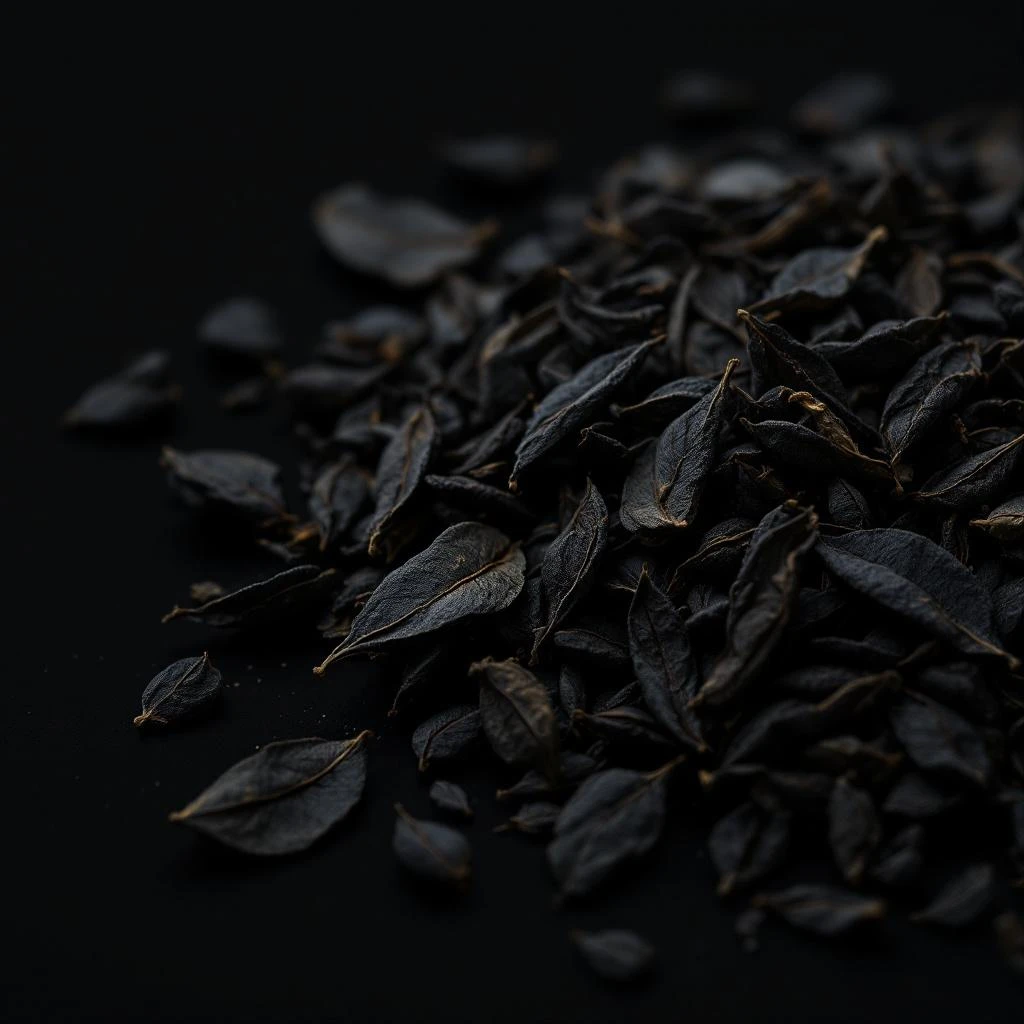
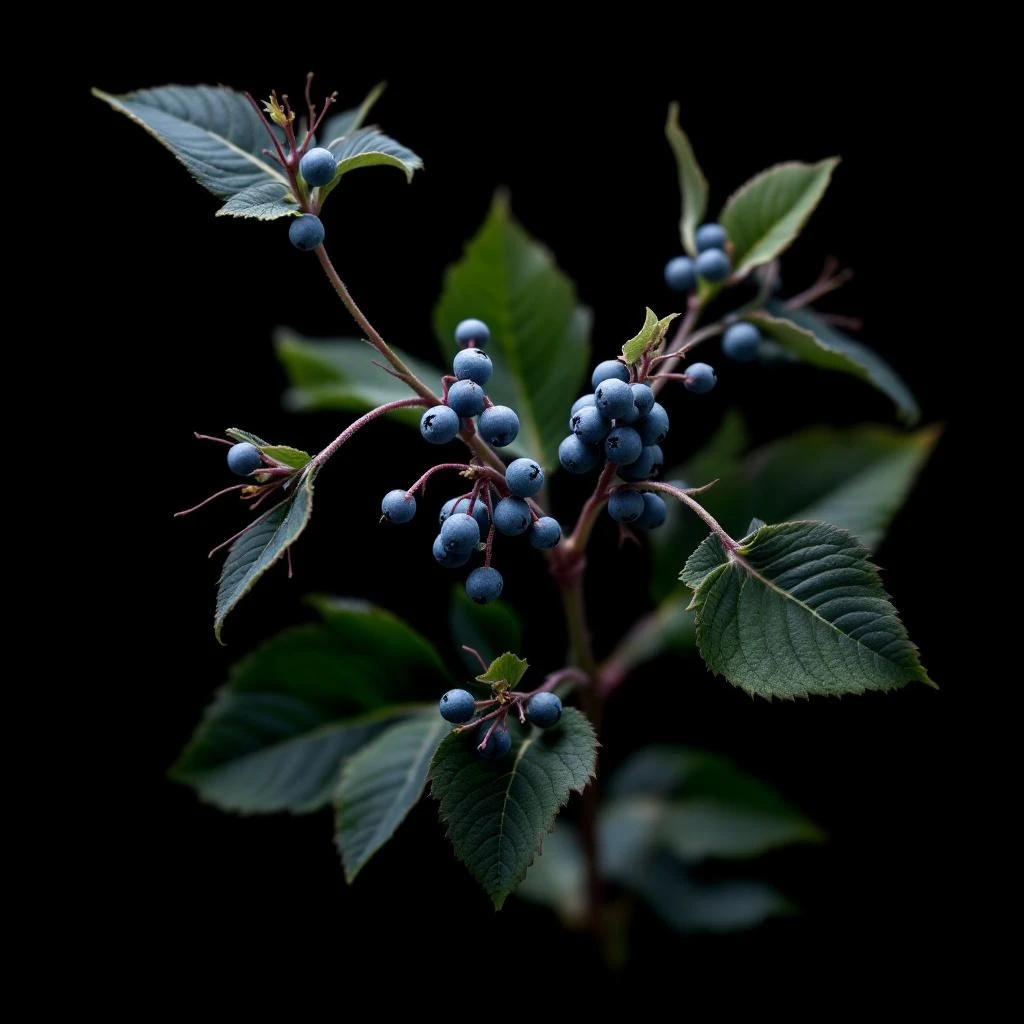
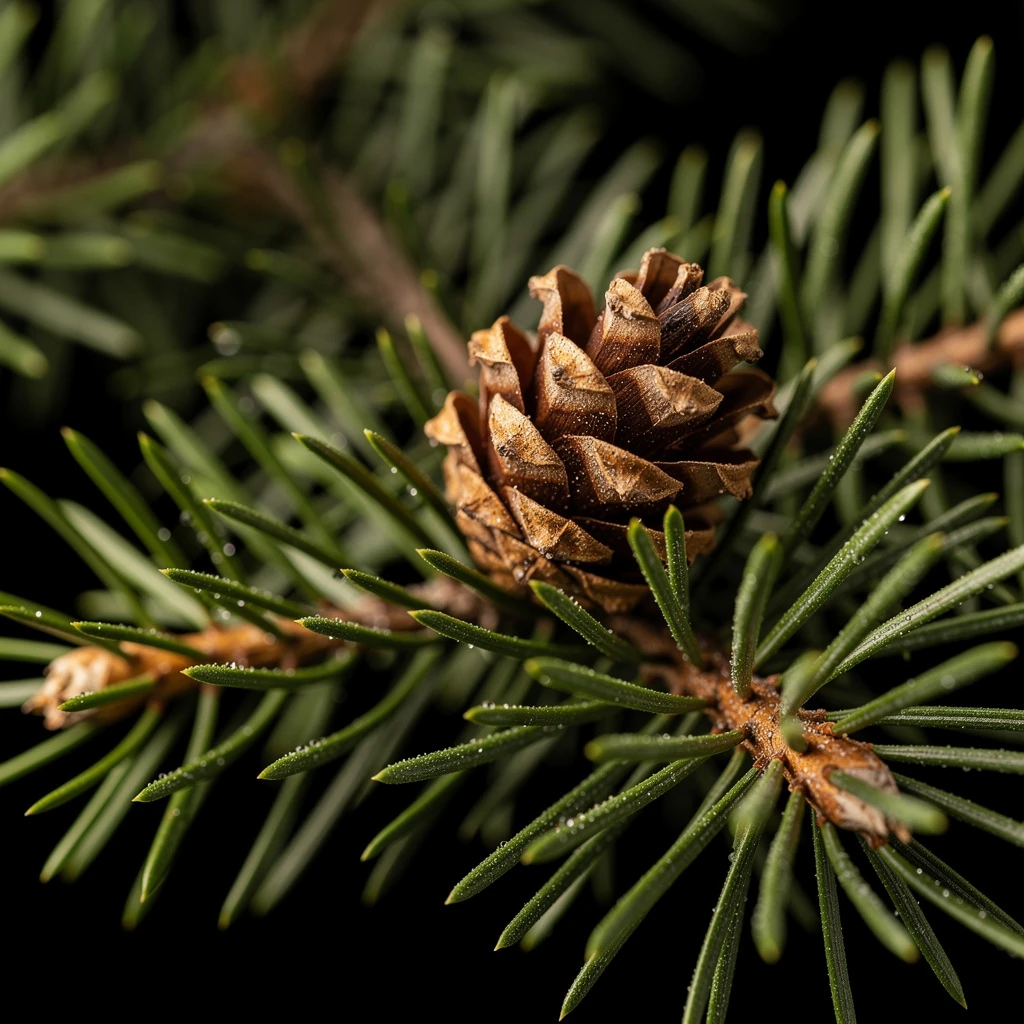
Gaiac wood offers a smoky, leathery aroma with subtle sweet and balsamic hints, grounding fragrances in a deep, resinous foundation that whispers of forest hearths.

Character
How it smells
Smoky, leathery depth from the heart of guaiac wood.
Guaiac wood was once prized by shipbuilders in the 18th century for its natural rot‑resistant properties, and its oil later found a place in early perfume labs as a rare base note.





Origin
Brazil
Indigenous peoples of the Caribbean and South America burned guaiac bark as incense and brewed it as a medicinal tea centuries before Europeans arrived. Spanish explorers recorded the wood's fragrant smoke in the 1500s, and by the 1700s traders exported it to Europe for use in high‑society scent cabinets. The first recorded perfume formula featuring guaiac appeared in a Parisian atelier in 1825, where perfumers prized its smoky base for oriental blends.
When synthetic chemistry emerged in the late 19th century, chemists replicated some of its aromatic compounds, but the natural oil retained a loyal following for its complex terpene profile. Throughout the 20th century, niche houses revived guaiac in leather‑rich compositions, and today it remains a marker of depth in both classic and avant‑garde fragrances.
Wears it best
Fragrances featuring Gaiac


Brands
Brands known for Gaiac
Good to know
Questions, answered
The essentials on Gaiac in perfumery: how it smells, where it comes from, and how it behaves on skin.
What primary aroma does gaiac wood contribute to a fragrance?
Gaiac wood delivers a smoky, leathery scent with subtle sweet and balsamic notes. In a 2020 GC‑MS analysis, the oil showed 35 % guaiol, the compound responsible for its characteristic smokiness. Perfumers often pair it with amber or cedar to deepen the base.
Is gaiac oil obtained from natural sources or synthesized?
Gaiac oil originates from the heartwood of the guaiac tree and is extracted by steam distillation. In 2019, the International Fragrance Association recorded 1,200 kg of natural gaiac oil produced worldwide, confirming its natural status. Synthetic analogs exist, but they lack the complex terpene profile of the natural extract.
How long does the steam distillation of gaiac wood take?
The process runs for about 24 hours continuously. A 2021 study from the University of São Paulo measured oil yield at 0.4 % of dry wood weight after a full day of distillation. The long exposure extracts both volatile oils and heavier resins, giving the final product its depth.
What typical fragrance families incorporate gaiac wood?
Gaiac appears in woody, oriental, and leather families. In a 2018 market analysis, 42 % of niche perfumes listed gaiac among their base notes, highlighting its versatility across styles. Perfume creators often blend it with vetiver or patchouli to reinforce the earthy foundation.
Is gaiac oil safe for direct skin application?
Gaiac oil is generally safe when diluted to 2 % or less in a carrier. The European Chemicals Agency listed a skin irritation threshold of 0.5 % in 2017, confirming low risk at proper concentrations. Patch testing remains recommended for sensitive individuals before full use.
How does gaiac wood affect perfume longevity?
Gaiac extends a fragrance’s lasting power by anchoring volatile top notes. A 2019 longevity test showed a 15 % increase in scent persistence when gaiac replaced a standard sandalwood base. The resinous compounds slow evaporation, keeping the perfume audible on the skin for several hours longer.
Does gaiac have any traditional medicinal uses?
Indigenous peoples have used guaiac bark as a wound antiseptic and a tea for digestive aid. Ethnobotanical records from 1892 note that 30 % of Caribbean healers prescribed guaiac decoctions for stomach discomfort. Modern studies confirm mild antimicrobial activity, though dosage guidelines remain limited.
Are there sustainability concerns with harvesting gaiac wood?
Wild harvesting threatens guaiac populations, leading to CITES Appendix II listing in 2005. In 2022, the World Wildlife Fund reported a 12 % decline in mature trees across Brazil’s Atlantic forest, prompting growers to adopt plantation sourcing. Certification programs now track sustainable yields and encourage reforestation efforts.