Character
The Story of Fruity
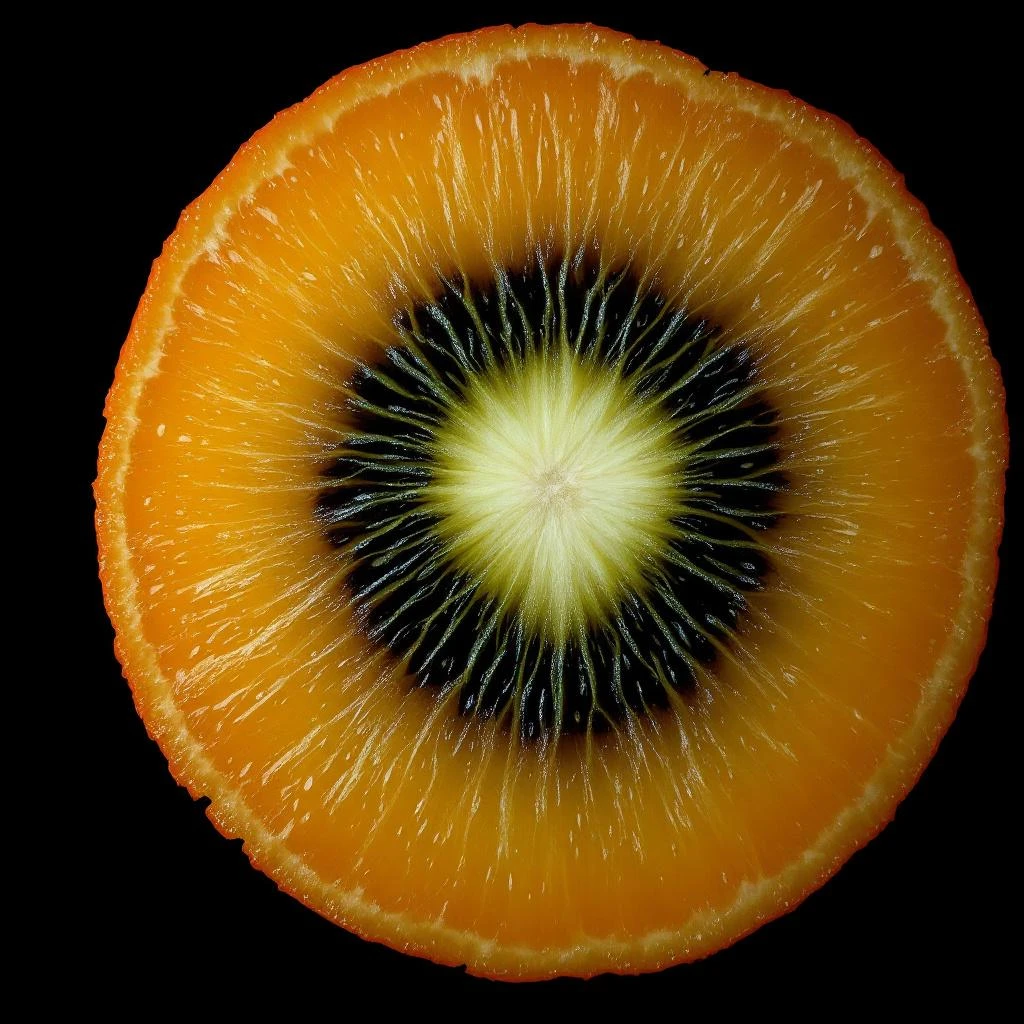
Fruity notes capture the bright, tangy essence of ripe harvests, delivering a crisp snap that awakens the senses with the scent of sun‑kissed orchards and freshly peeled citrus.
Heritage
Ancient Egyptians infused fruit skins into oils for temple rites, creating the earliest recorded fruit scents. Roman texts describe orange blossom and citron extracts used in elite perfumes. During the Middle Ages, fruit peels were macerated in animal fats to produce long‑lasting ointments. The 19th century saw steam distillation bring citrus oils to market, while the rise of synthetic chemistry in Paris between 1889 and 1921 introduced fruit esters like citronellol and ethyl maltol, expanding the palette beyond seasonal harvests. By the 1960s, cold‑press techniques refined orange and lemon oils for mass production, cementing fruity notes as a staple of modern perfumery.
At a Glance
1
Feature this note
France
Primary source region
Ingredient Details
Cold-press extraction
Fruit peel
Did You Know
"The first synthetic fruit ester, ethyl butyrate, was created in 1905 and still powers modern pineapple accords, proving that chemistry can echo a sun‑ripe orchard."