    Ingredient Profile

    Fresh cotton fragrance note

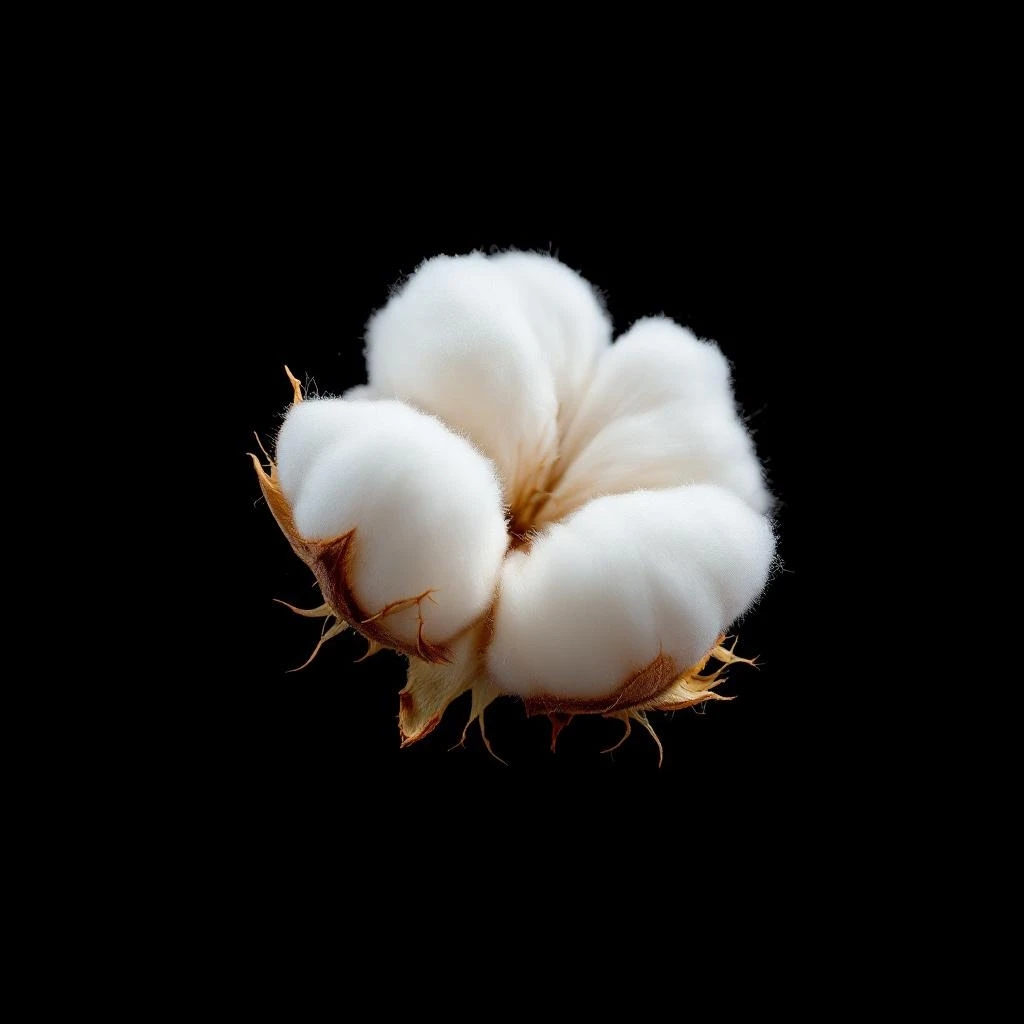
    Fresh cotton captures the clean, airy scent of newly opened cotton blossoms, evoking sun‑kissed fields and soft linens with a subtle green‑h…More

    India

    1

    Fragrances

    Fragrances featuring Fresh cotton

    Character

    The Story of Fresh cotton

    Fresh cotton captures the clean, airy scent of newly opened cotton blossoms, evoking sun‑kissed fields and soft linens with a subtle green‑herbaceous edge.

    Heritage

    Cotton has long anchored textile trade, but its fragrance entered perfumery only in the early 20th century. French chemists first isolated a cotton flower essence in 1925, using steam distillation, though the result lacked the true green nuance. In the 1970s, natural perfumers turned to solvent extraction, producing richer absolutes that appeared in niche fragrances celebrating clean, domestic themes. The 1990s saw the rise of supercritical CO₂ technology, which captured the flower’s fleeting aroma more faithfully. Today, fresh cotton notes appear in modern compositions that reference laundry, sunrise fields, and minimalist aesthetics, linking the plant’s agricultural heritage with contemporary scent design.

    At a Glance

    Fragrances

    1

    Feature this note

    Origin

    India

    Primary source region

    Ingredient Details

    Extraction

    Supercritical CO2 extraction

    Used Parts

    Cotton flower buds

    Did You Know

    "The cotton flower releases its signature scent only for a few hours each morning, making the natural absolute a rare and prized material for perfumers."

    Production

    How Fresh cotton Is Made

    Farmers plant cotton (Gossypium spp.) in warm, well‑drained soils and tend the rows until the buds swell. At peak bloom, harvest crews cut the flower clusters early in the morning to preserve volatile compounds. The fresh buds are frozen or dried in shade to prevent oxidation. In a stainless‑steel extractor, supercritical CO₂ flows through the material at 35 °C and 80 bar, pulling out the delicate absolutes without leaving solvent residues. The CO₂ separates in a low‑temperature chamber, leaving a viscous, amber‑colored cotton flower absolute. Producers filter the extract, test it for purity, and store it in amber glass to shield it from light. The entire process yields roughly 0.3 % absolute by weight, reflecting the flower’s low oil content but high aromatic value.

    Provenance

    India

    India23.0°N, 77.0°E

    About Fresh cotton