Character
The Story of __SOFT_DELETED__fresh
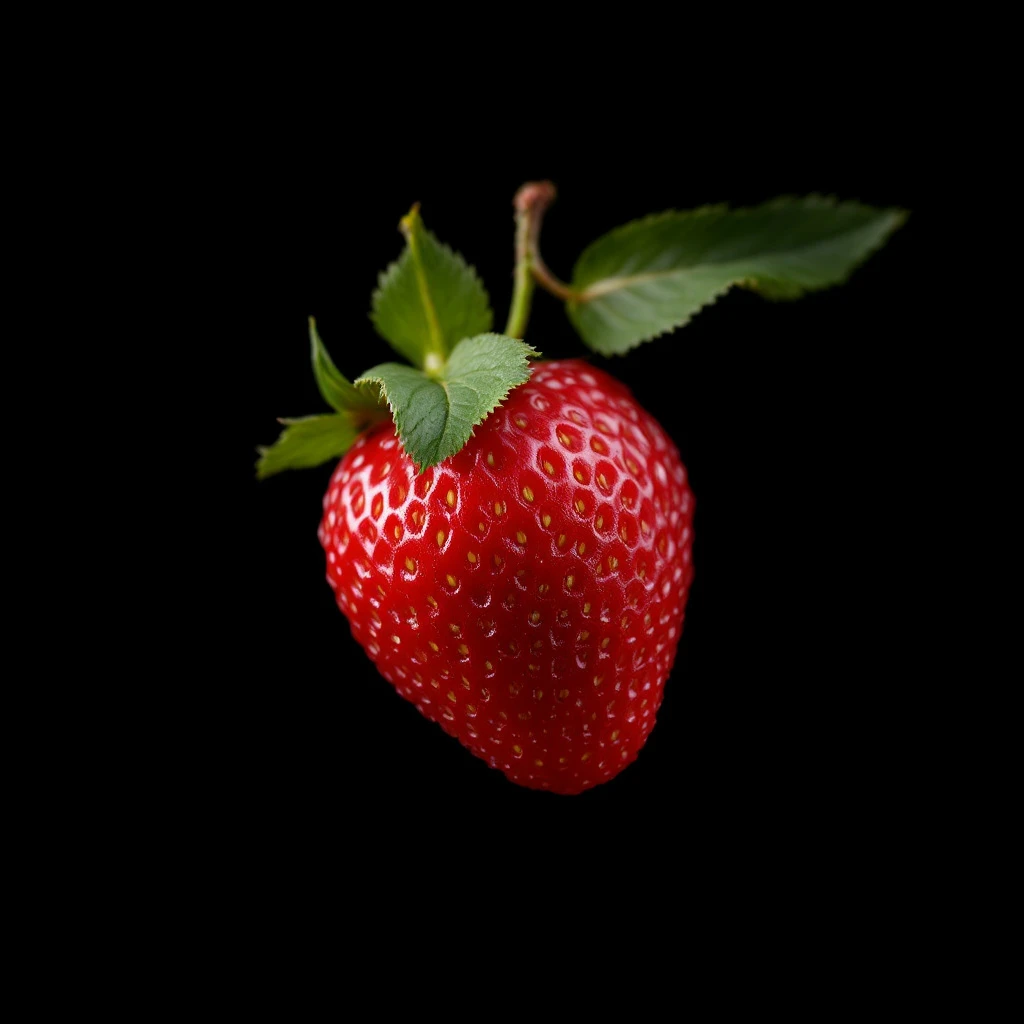
In perfumery, "fresh" is not a single ingredient but a sensation—a burst of clarity, air, and vitality. Perfumers engineer freshness from citrus peels, aromatic herbs, green molecules, and synthetics that evoke morning light, rain, and clean skin.
Heritage
Ancient perfumers used aromatic waters and infused botanicals, but they did not isolate freshness as a distinct quality the way modern perfumers do. The pivotal shift came with the Industrial Revolution, when citrus processing became industrialized. Between 1889 and 1921, as synthetic fragrance chemistry developed in Paris, perfumers gained access to materials that could reproduce or intensify fresh sensations at scale. Citrus fruits from the Mediterranean and aromatic herbs from temperate regions became foundational to this effort. After World War II, mass-market demand for clean, approachable scents accelerated the trend. The 1956 introduction of Dior Eau Soirée and the subsequent surge of aquatic and green fragrances in the 1980s cemented freshness as a dominant force in contemporary perfumery. Today, freshness defines the largest segment of the global fragrance market.
At a Glance
1
Feature this note
Italy
Primary source region
Ingredient Details
Various (expression, steam distillation, solvent extraction, synthetic)
Citrus peel, herb leaves, flower heads, synthetic aromatic molecules
Did You Know
"Galbanum, a resin from Ferula plants, yields a remarkably fresh, green scent and was a prized ingredient in ancient Egyptian perfumery over 3,000 years ago."