Character
The Story of French thyme
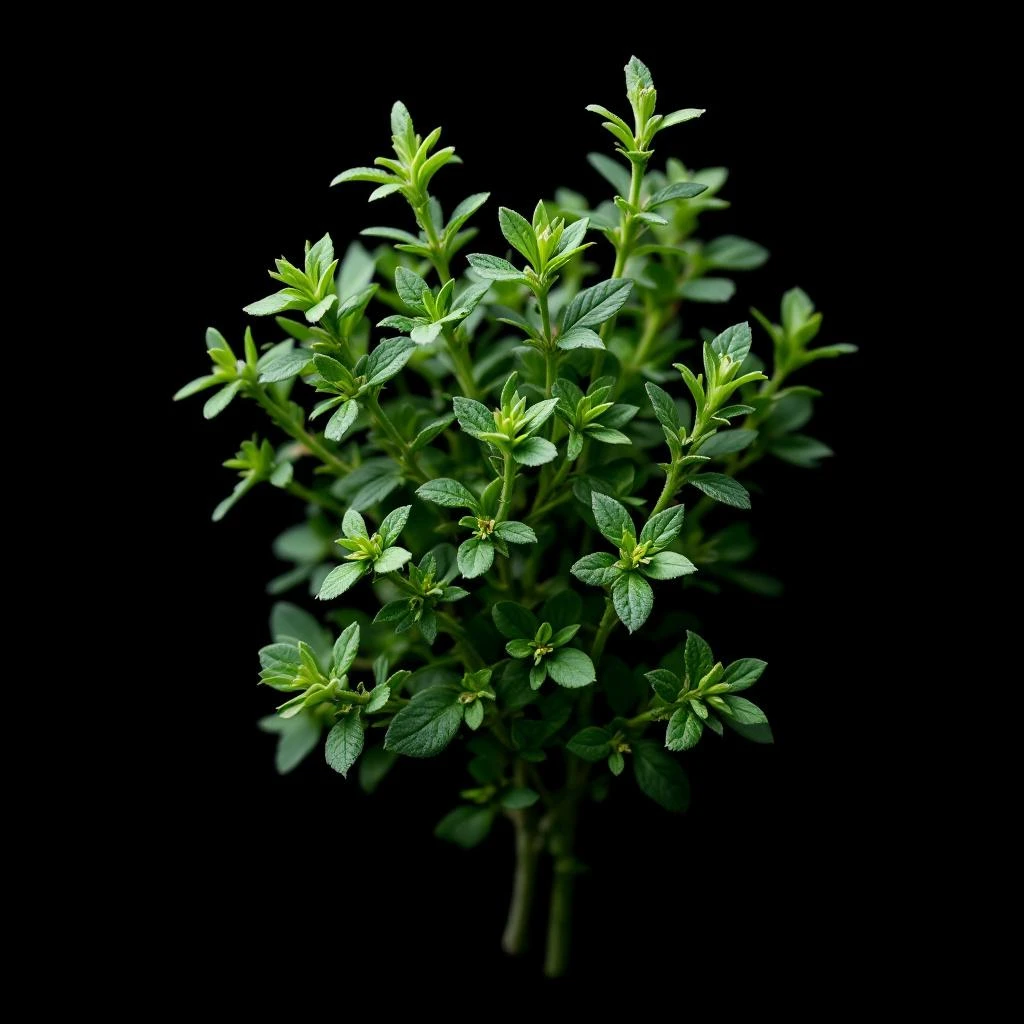
French thyme offers a crisp, herbaceous aroma that blends bright green notes with a whisper of peppery spice, rooted in the sun‑kissed fields of Provence.
Heritage
Thyme has traced a long path from ancient gardens to modern fragrance labs. Egyptians recorded thyme in their burial rites around 1500 BC, valuing its preservative qualities. Greeks and Romans later used thyme in baths and as a symbol of courage, often burning it as incense. In medieval France, monastic gardens cultivated thyme for both culinary and medicinal purposes, and the herb’s essential oil was extracted using rudimentary steam methods. By the 18th century, French apothecaries began selling thyme oil as a tonic. The rise of Grasse as the perfume capital in the 19th century brought thyme into the spotlight; factories there incorporated the oil into floral blends to add brightness and longevity. During World War I, French perfumers turned to thyme as a readily available local resource when traditional flower supplies were disrupted. Today, French thyme remains a cornerstone of aromatic compositions, linking centuries of botanical tradition with contemporary scent design.
At a Glance
1
Feature this note
France
Primary source region
Ingredient Details
Steam distillation
Leaves
Did You Know
"In medieval monasteries, thyme was burned as incense to ward off pests, and its oil later became a staple in Grasse’s early 20th‑century perfume labs."