Character
The Story of flowers
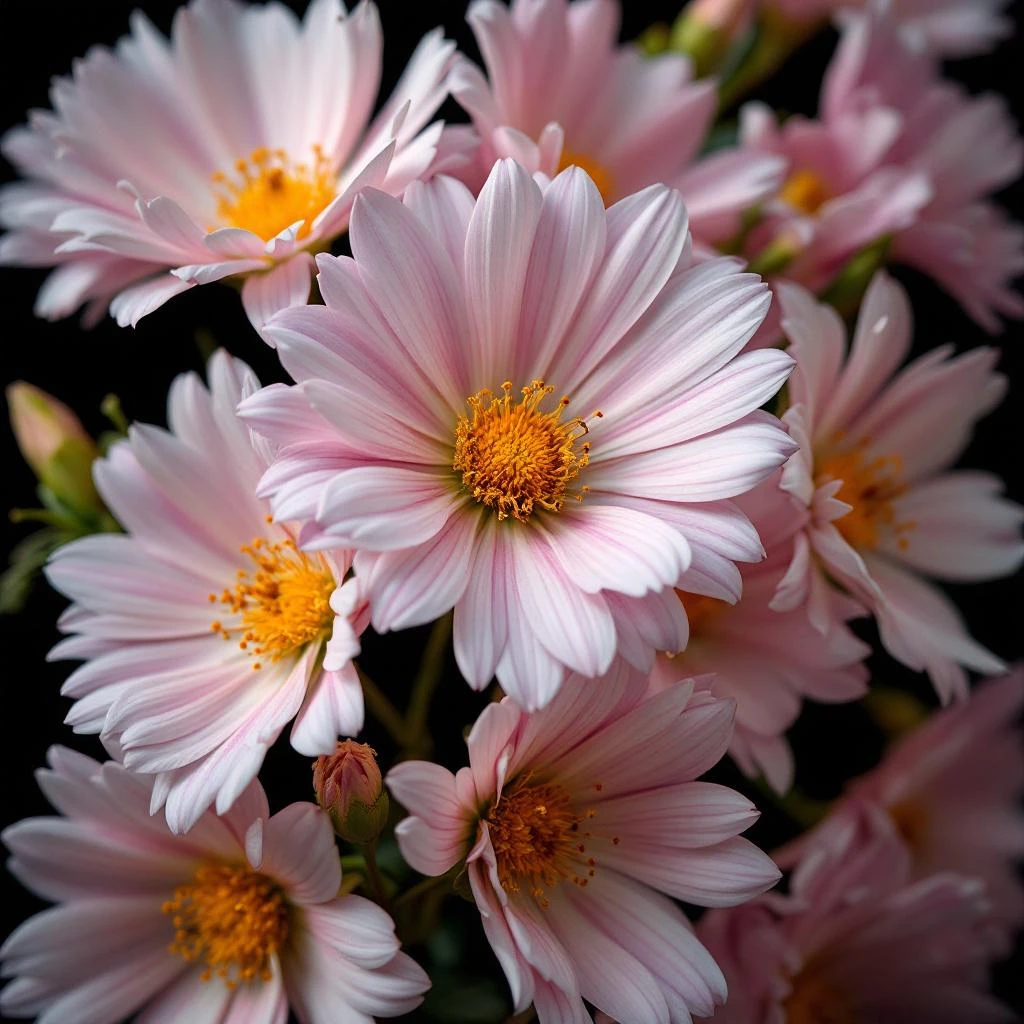
Flowers form the emotional heart of perfumery. From the ancient rose gardens of Persia to the sun-drenched fields of Grasse, floral materials have shaped how humans experience scent for millennia, offering brightness, softness, and intimate connection to nature.
Heritage
The story of flowers in perfumery begins with Ibn Sina, the Persian physician who introduced distillation to extract oils from petals around 1000 CE. His experiments with roses transformed fragrance from crude petal-and-oil mixtures into refined aromatic materials. Rose and jasmine grew natively across Iran, while bitter orange and citrus arrived via Islamic trade routes from China and Southeast Asia, becoming essential perfumery ingredients. Ancient Greeks had already prized roses, with Pliny noting them as flowers growing everywhere. By the 18th century, Grasse in Provence became the epicenter of floral cultivation and extraction, evolving from glove-makers masking leather odors to master perfumers serving European courts including Marie Antoinette and her perfumer Jean-Louis Fargeon. Persian and Arab traders catalyzed international fragrance commerce, spreading both raw materials and technical knowledge that defined modern perfumery.
At a Glance
2
Feature this note
Iran
Primary source region
Ingredient Details
Multiple methods including steam distillation, solvent extraction, enfleurage, maceration, and expression
Flower petals and blossoms
Did You Know
"It takes thousands of flowers to produce a single pound of essential oil, making floral extracts among the most precious materials in perfumery."
Pyramid Presence