    Ingredient Profile

    Flower Petals fragrance note

    Flower petals release a spectrum of aromas that range from bright citrus to deep, powdery notes, providing perfumers with a versatile palett…More

    France

    2

    Fragrances

    Fragrances featuring Flower Petals

    Character

    The Story of Flower Petals

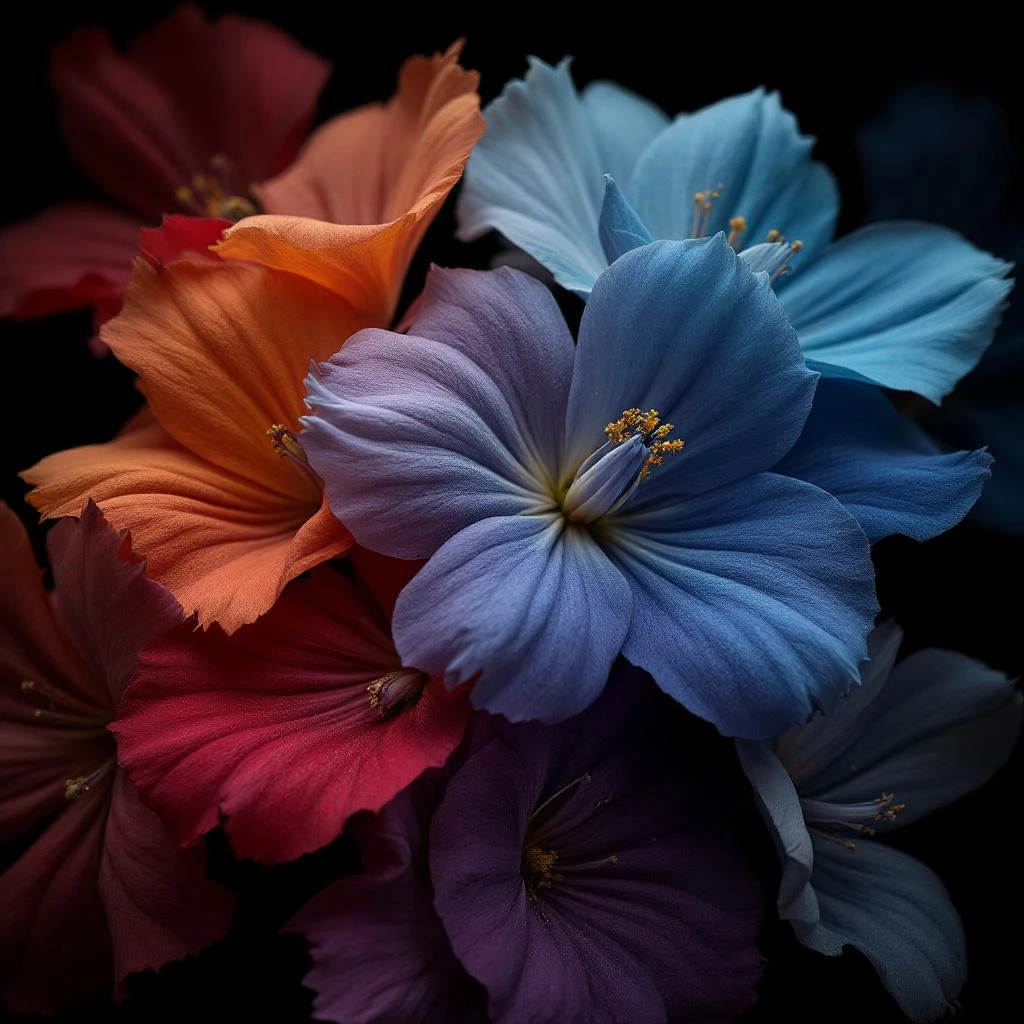
    Flower petals release a spectrum of aromas that range from bright citrus to deep, powdery notes, providing perfumers with a versatile palette for creating nuanced fragrances.

    Heritage

    Flower petals have guided perfume making since antiquity. Ancient Greeks pressed rose petals into oil, while Roman texts describe jasmine petals steeped in wine to capture scent. By the 14th century, Persian artisans refined steam distillation, producing rose water for courts. In 1915, Grasse workers mechanized petal harvesting, scaling production for the burgeoning French perfume houses. Enfleurage, perfected in the 18th century, allowed jasmine and tuberose to retain their fragile aromas before modern solvents replaced labor‑intensive steps. Throughout the 20th century, scientific advances isolated key molecules such as geraniol and nerol, enabling synthetic replication while preserving the natural reference point of fresh petals.

    At a Glance

    Fragrances

    2

    Feature this note

    Origin

    France

    Primary source region

    Ingredient Details

    Extraction

    Steam distillation

    Used Parts

    Flower petals

    Did You Know

    "A single kilogram of fresh rose petals yields only about 0.03 ml of pure rose oil, illustrating why rose perfume commands such reverence."

    Production

    How Flower Petals Is Made

    Harvesters cut flower petals at dawn when volatile compounds peak. In Grasse, workers transport petals to nearby labs within hours to preserve freshness. For steam distillation, technicians load petals into a copper still, introduce saturated steam, and collect the condensate that separates into rose water and essential oil. Enfleurage remains in use for delicate blossoms; artisans spread petals on a layer of clarified animal fat, allowing scent molecules to migrate over several days before extracting the fragrant fat with alcohol. Solvent extraction employs hexane to dissolve aromatic compounds from dried petals; the mixture is filtered, and the solvent evaporates, leaving a waxy concrete that perfumers later alcohol‑wash into an absolute. Each method balances yield, purity, and the character of the original bloom.

    Provenance

    France

    France43.7°N, 6.9°E

    About Flower Petals