    Ingredient Profile

    Florida tangerine fragrance note

    Florida tangerine bursts with bright citrus zest, delivering a crisp, sun‑kissed aroma that lifts a blend with natural vibrancy and a hint o…More

    United States

    1

    Fragrances

    Fragrances featuring Florida tangerine

    Character

    The Story of Florida tangerine

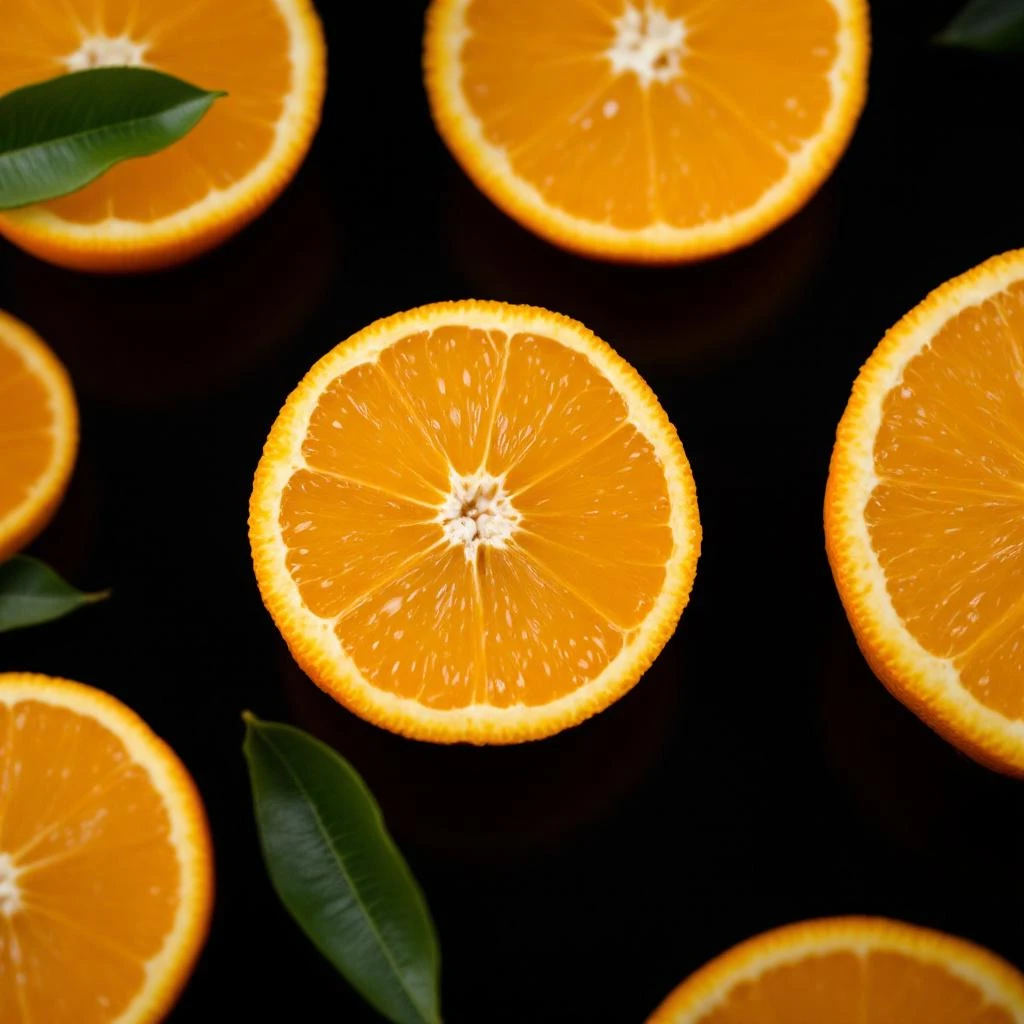
    Florida tangerine bursts with bright citrus zest, delivering a crisp, sun‑kissed aroma that lifts a blend with natural vibrancy and a hint of sweet acidity.

    Heritage

    Spanish explorers introduced tangerines to Florida in the early 1500s, planting them along the Gulf Coast where warm, humid soils thrived. By the 1800s, Florida tangerine peel became a staple in the popular cologne known as Florida Water, a light eau de toilette that blended citrus, lavender, and spice. The scent symbolized Southern hospitality and was carried on riverboats to inland markets. In the early 20th century, American perfumers refined cold‑expression techniques, allowing the bright, clean note of Florida tangerine to appear in modern perfume houses. Today, the ingredient honors its colonial roots while powering contemporary fragrance design.

    At a Glance

    Fragrances

    1

    Feature this note

    Origin

    United States

    Primary source region

    Ingredient Details

    Extraction

    Cold expression

    Used Parts

    Fruit peel

    Did You Know

    "Florida tangerine trees can produce fruit year‑round, allowing perfumers to harvest peel oil continuously and maintain a steady supply of fresh citrus notes."

    Production

    How Florida tangerine Is Made

    Harvesters pick ripe Florida tangerines at peak oil content, usually in late winter. Workers wash the fruit, then remove the outer zest by hand or mechanized slicer. The zest enters a cold‑expression press where hydraulic pressure extracts the oil at temperatures below 30 °C, preserving volatile compounds. The raw oil passes through a stainless‑steel centrifuge to separate waxes and pulp, then filters through fine mesh. Final filtration removes any remaining solids, and the clear oil stores in amber glass at 15 °C to prevent oxidation. Typical cold‑expression yields hover around 0.5 % weight‑for‑weight of peel, making the process efficient yet gentle on the fruit's aromatic profile.

    Provenance

    United States

    United States27.7°N, 81.5°W

    About Florida tangerine