Character
The Story of Floral
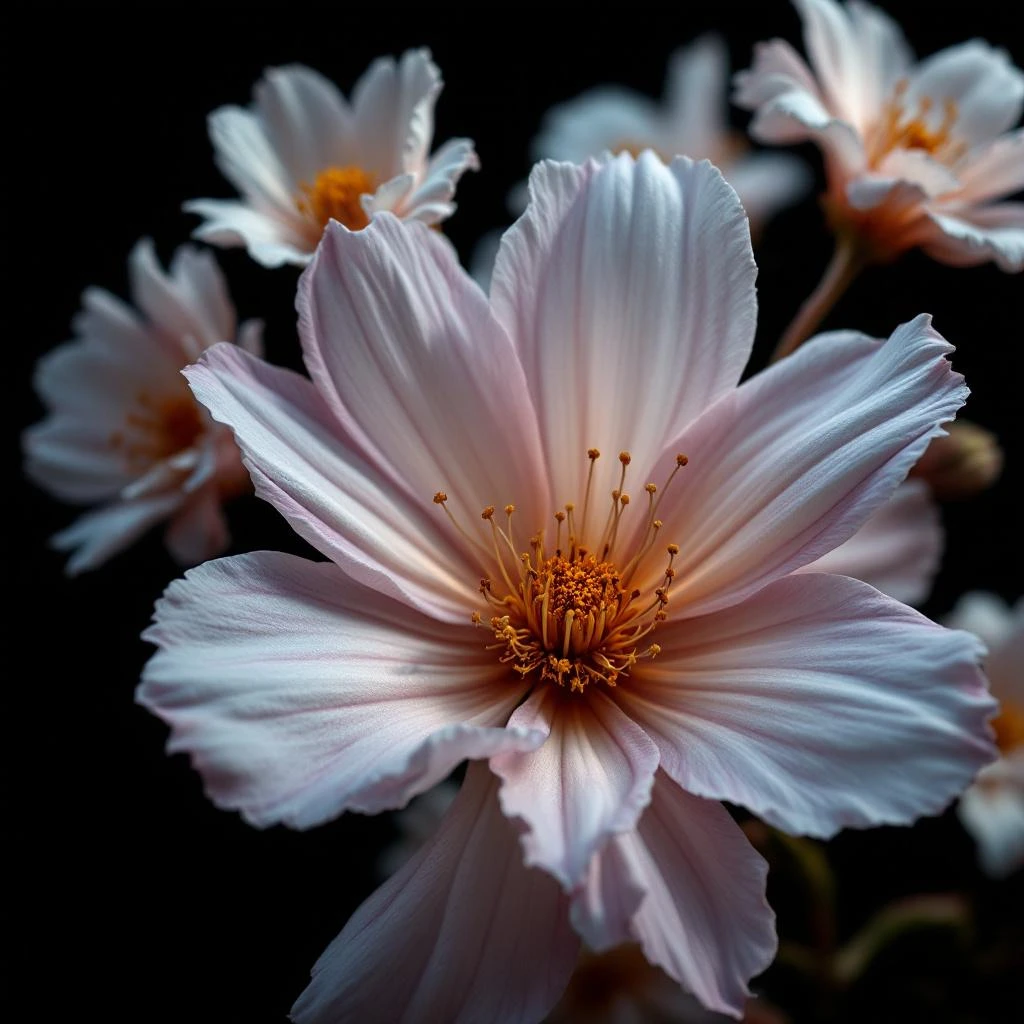
Floral notes capture the essence of blooming petals, translating the garden's vibrancy into scent. They range from crisp lily to deep rose, forming the heart of countless modern perfumes.
Heritage
Floral scents have guided human fragrance for millennia. Ancient Egyptians infused temple rites with lotus and myrrh, while Greek scholars recorded the use of rose petals in ceremonial oils. The Middle Ages saw rose water travel along trade routes, enriching European courts. In 1895, chemists reproduced jasmine and rose aromas in the lab, marking the birth of synthetic florals and expanding creative possibilities. The early 20th century introduced the olfactive family system, grouping scents by dominant notes; floral emerged as a core category, shaping the identity of countless classic and contemporary perfumes. Today, floral remains the most celebrated note, bridging heritage and innovation.
At a Glance
5
Feature this note
France
Primary source region
Ingredient Details
Solvent extraction
Flower petals
Did You Know
"The first synthetic jasmine aroma, called hydroxycitronellol, was patented in 1895, allowing perfumers to recreate the flower’s scent without harvesting the delicate blossoms."