Character
The Story of Fallow deer leather
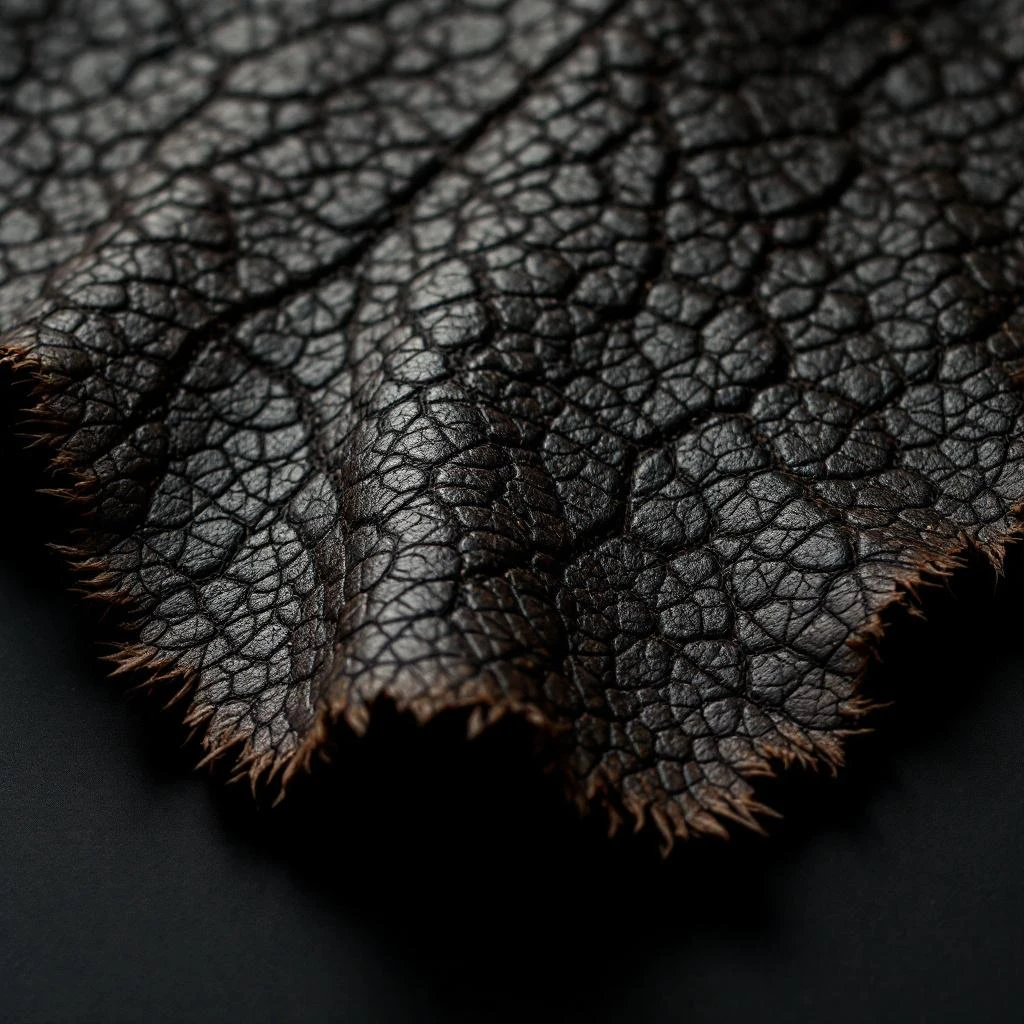
Fallow deer leather offers a dry, forest‑rich aroma that recalls the quiet underbrush of a European meadow, blending subtle animalic warmth with a faint, smoky tannin edge.
Heritage
Leather notes entered European perfumery in the late 1600s, when Grasse’s maîtres gantiers experimented with tinctures of tanned hides. Fallow deer, prized for their soft pelts, became a favorite source after the French aristocracy demanded a scent that evoked hunting grounds and refined interiors. By the 18th century, perfumers blended the leather tincture with amber and citrus to create the first modern chypre structures. The note survived the industrial shift of the 19th century, when synthetic aromatics threatened natural ingredients, because its distinctive animalic edge could not be replicated by early chemicals. In the 20th century, iconic houses such as Dior and Chanel used fallow deer leather to anchor masculine flanker releases, cementing its reputation as a symbol of quiet power. Today, the ingredient enjoys a revival among niche creators who value its authentic connection to the European hunting tradition and its ability to ground avant‑garde compositions.
At a Glance
1
Feature this note
France
Primary source region
Ingredient Details
Solvent extraction
Tanned hide
Did You Know
"The scent of fallow deer leather originates from the same tanning vats that supplied 18th‑century French aristocracy, where the hide’s natural oils were preserved in alcohol for perfume use."