


Character
The Story of Exotic Woods
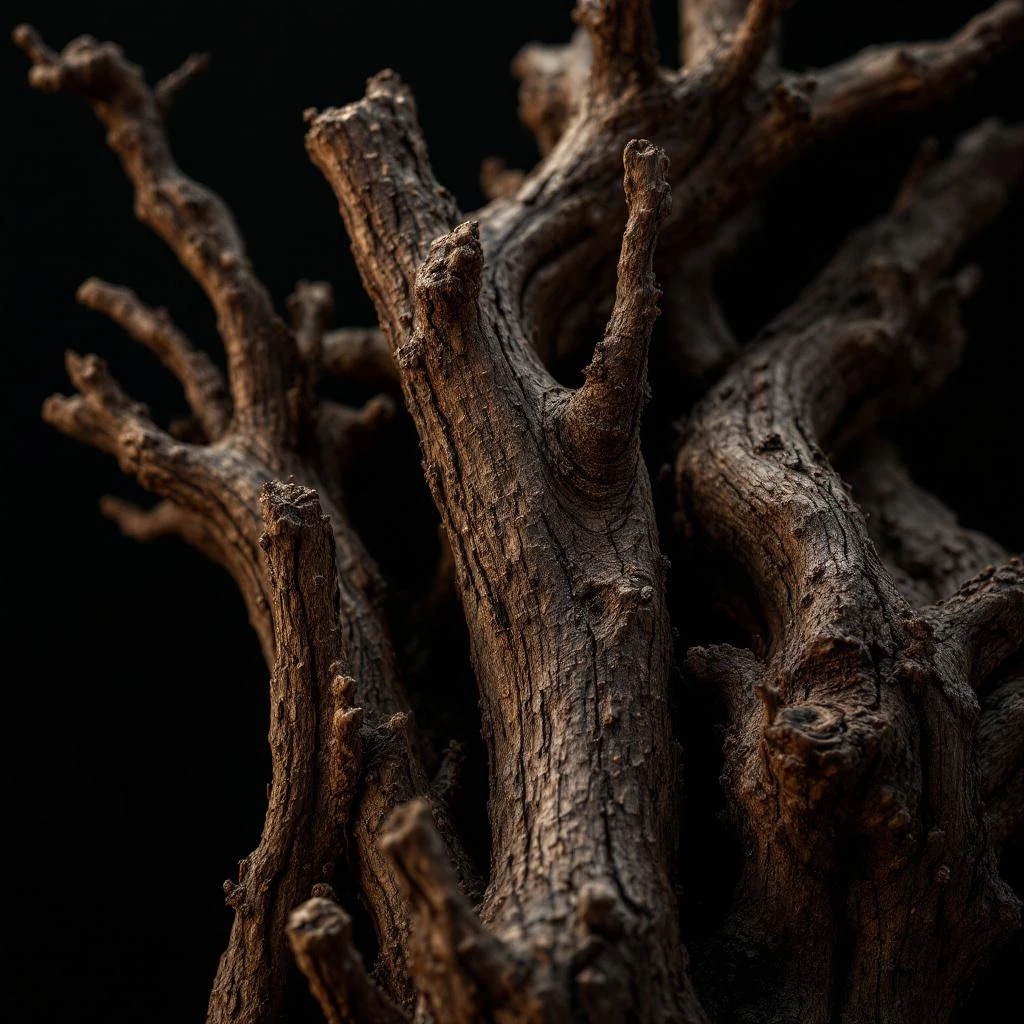
Exotic woods form the soul of perfumery. These rare, aromatic materials harvested from ancient trees provide the deep, resinous foundation that transforms a simple fragrance into an unforgettable experience.
Heritage
Woods have anchored perfumery since antiquity. Egyptian records from 4500 BCE describe heating cedarwood in clay vessels and using wool fibers to capture aromatic oils, revealing surprisingly sophisticated extraction techniques for their time.
Greek and Roman civilizations adopted these practices, incorporating exotic woods into religious rituals and daily life. Theophrastos documented aromatic materials in his treatise "On Odors" around 270 BCE.
Islamic traders became essential conduits for precious woods, moving agarwood from Southeast Asia through Middle Eastern markets to European perfume houses. These merchants cultivated rose and jasmine across the region, creating supply networks that shaped the modern fragrance industry.
Grasse, France emerged as perfume's capital during the 13th century when glove makers sought to mask the foul odors of urine-tanned leather. Their experimentation with aromatic materials established the foundations of contemporary perfumery, where exotic woods remain indispensable.
At a Glance
3
Feature this note
India
Primary source region
Ingredient Details
Steam distillation, hydrodistillation, solvent extraction
Heartwood, bark, roots, resin
Did You Know
"A single kilogram of wild oud can cost more than gold, reflecting centuries of scarcity and cultural reverence."