
Character
The Story of Exotic Fruits
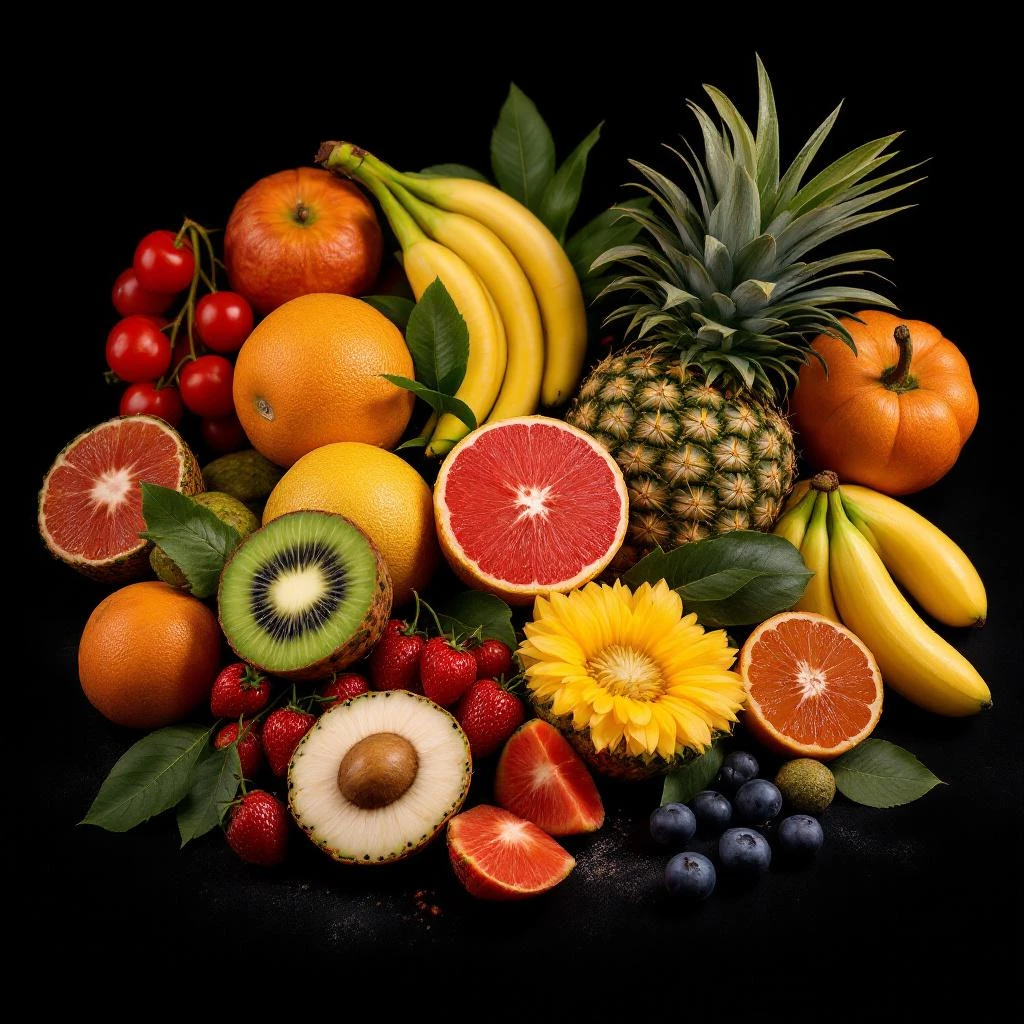
Exotic fruits capture the vibrant, sun-drenched essence of tropical abundance. In perfumery, these notes deliver immediate brightness and sensuality, evoking sunlit markets and ripe abundance. From lychee to mango, these ingredients transform fragrances into sensory escapes.
Heritage
Exotic fruits entered Western perfumery during the colonial era, when traders brought tropical specimens to European courts. The 19th century brought increasing access to exotic materials, though true fruit-focused fragrances emerged later. The synthetic fruit revolution arrived in the 1960s, when aroma chemistry advanced enough to capture the fleeting complexity of tropical fruits. Modern perfumery now freely blends natural and synthetic fruit notes, creating fragrances that evoke tropical vacations and carefree warmth.
At a Glance
7
Feature this note
Thailand
Primary source region
Ingredient Details
Solvent extraction, CO2 extraction, and synthetic production
Fruit pulp, fruit peel, fruit seeds
Did You Know
"Most exotic fruit notes in perfumery come from synthetic aromatic compounds, as many tropical fruits yield little to no essential oil through traditional extraction."
Pyramid Presence