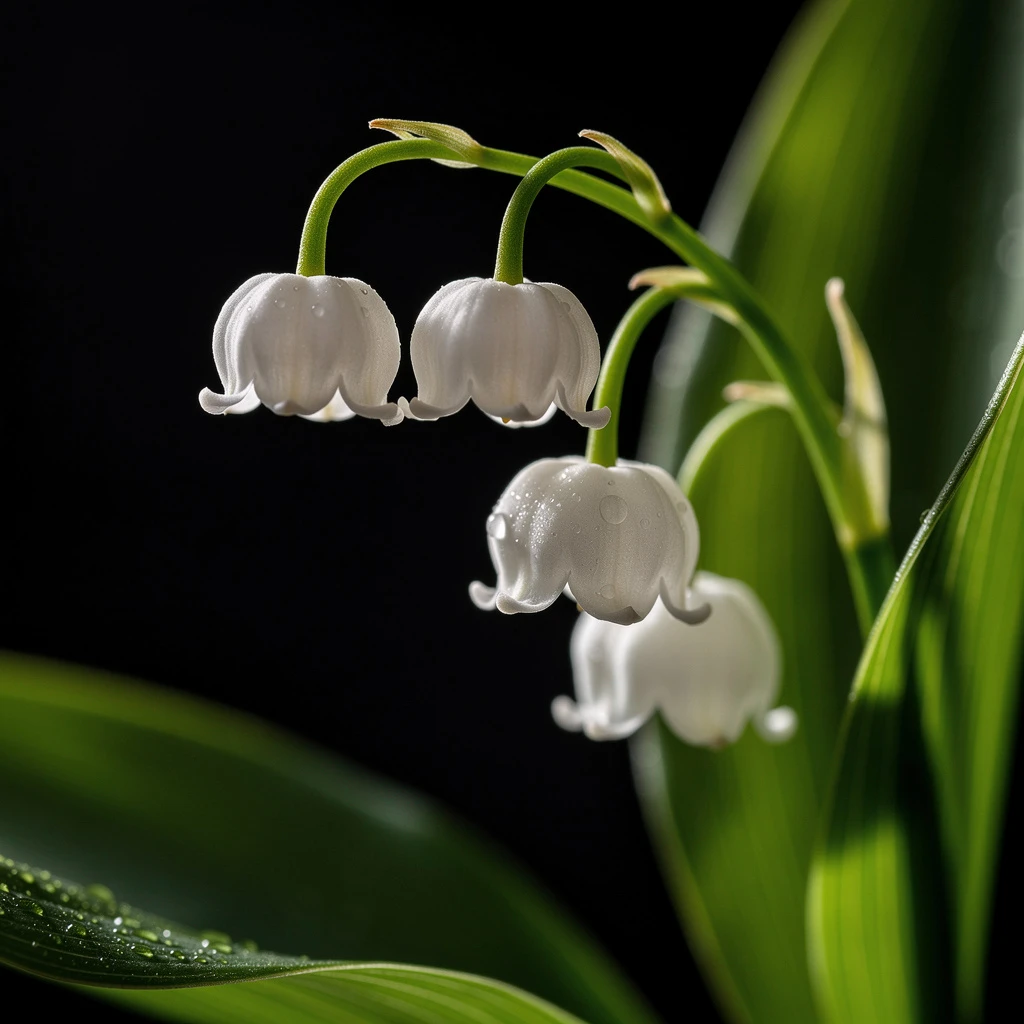
Ether
Ether encompasses a class of organic compounds featuring an oxygen atom bonded between two carbon groups. In perfumery, petroleum ether and dimethyl ether serve as essential extraction solvents, while aromatic ethers like anisole contribute distinctive spicy, anise-like fragrance notes.

Character
How it smells
The volatile solvent that unlocked modern perfumery
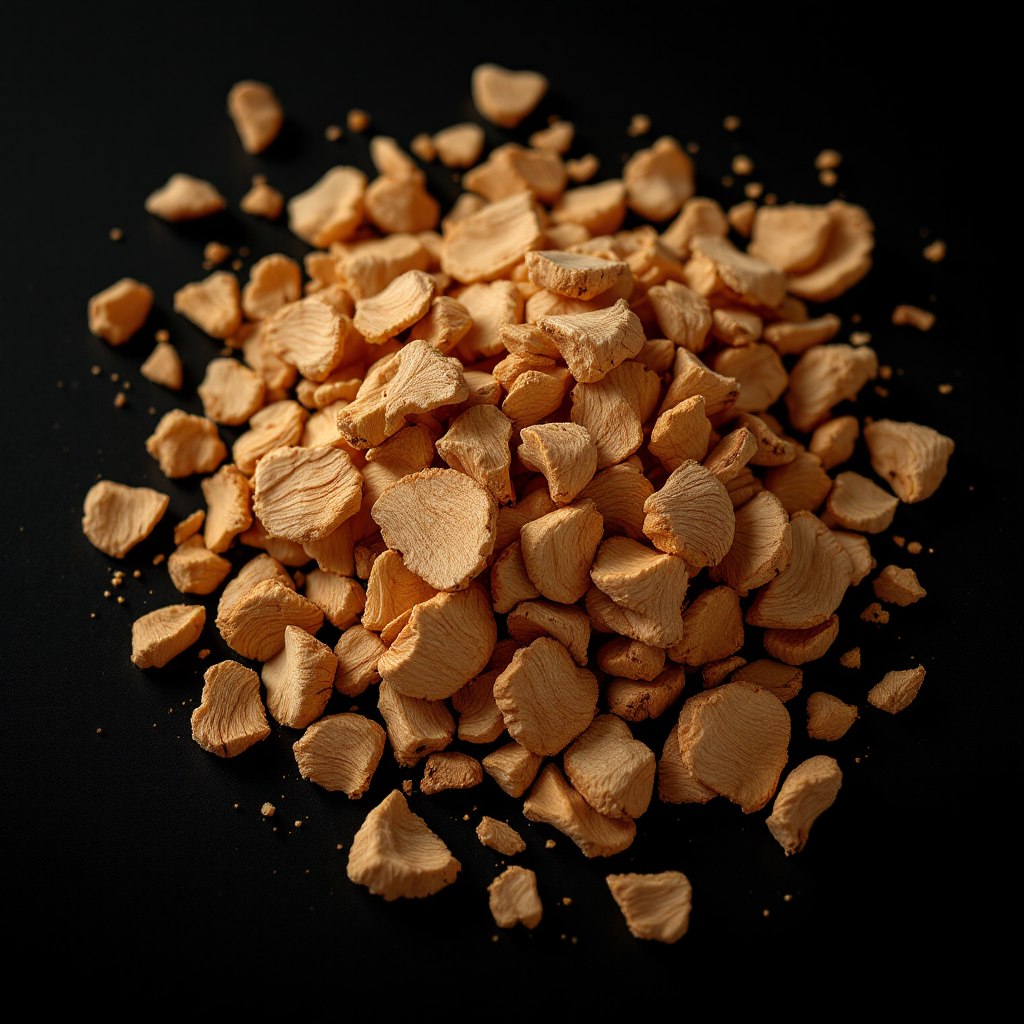
The word 'ether' comes from the Greek 'aither'—the realm of the gods in the upper sky. Ancient physicians used ether-like preparations as anesthetics.








Origin
France
The 19th century transformed perfumery through chemistry. Between 1889 and 1921, Paris became the center of synthetic fragrance development, and ether compounds played a critical role. August Kekulé's structural theories in organic chemistry enabled understanding of how carbon, hydrogen, and oxygen combined to create aromatic molecules.
Before ether solvents, capturing floral scents required labor-intensive enfleurage or heat-based methods that degraded delicate notes. Diethyl ether's high solvency allowed extraction at lower temperatures, preserving nuanced aromatic profiles. Piesse's classification of fragrance families during this period helped systematize how these new extraction methods could combine natural and synthetic materials.
Aromatic ethers like anisole were among the first synthetic compounds intentionally created for their scent, launching the modern fragrance industry.
Wears it best
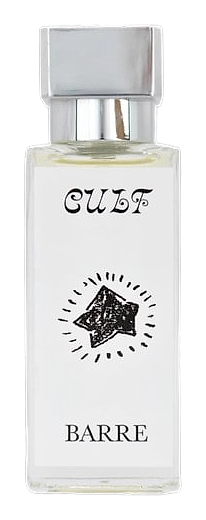
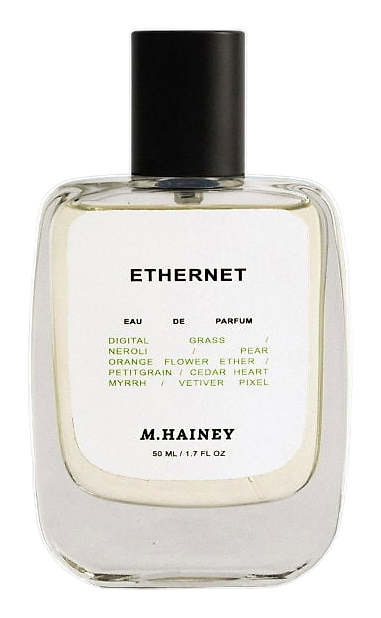
Fragrances featuring Ether
Good to know
Questions, answered
The essentials on Ether in perfumery: how it smells, where it comes from, and how it behaves on skin.
What is ether in perfumery?
Ether in perfumery refers to two distinct applications: volatile solvents like dimethyl ether used for extracting fragrance compounds from plants, and aromatic ether compounds like anisole that contribute distinctive notes to compositions.
Is ether used as a fragrance ingredient itself?
Aromatic ethers such as anisole do function as fragrance materials, providing anise-like, spicy qualities. Diethyl ether and petroleum ether serve purely as industrial extraction solvents, not as fragrance ingredients.
When did perfumers first use ether solvents?
Diethyl ether emerged as an extraction solvent in 19th-century French perfumery, becoming standard practice around the 1880s when organic chemistry began enabling systematic fragrance development.
Why did perfumers switch from traditional methods to ether extraction?
Traditional enfleurage and maceration could not scale commercially. Ether-based solvent extraction allowed mass production while preserving delicate aromatic molecules that heat-based distillation damaged.
What replaced diethyl ether in modern extraction?
Dimethyl ether (DME) and petroleum ether replaced diethyl ether due to safety concerns. DME is now the preferred solvent for botanical extraction because it extracts efficiently at lower temperatures, protecting fragile scent compounds.
Are ether fragrance compounds natural or synthetic?
All ether compounds used in perfumery are synthetic. They are created through controlled chemical reactions rather than extracted from natural sources, making them reproducible and consistent across batches.
What notes do aromatic ethers contribute to perfumes?
Aromatic ethers like anisole contribute anise-like, spicy, and slightly sweet characteristics. They add complexity to oriental and spicy fragrance families, often creating warm, resinous undertones.
How does ether extraction work technically?
Solvent extraction uses rotating tanks where plant material soaks in ether compounds. The solvent dissolves aromatic molecules, then evaporates under controlled conditions, leaving behind a concentrated aromatic extract.
In the same family