    Ingredient Profile

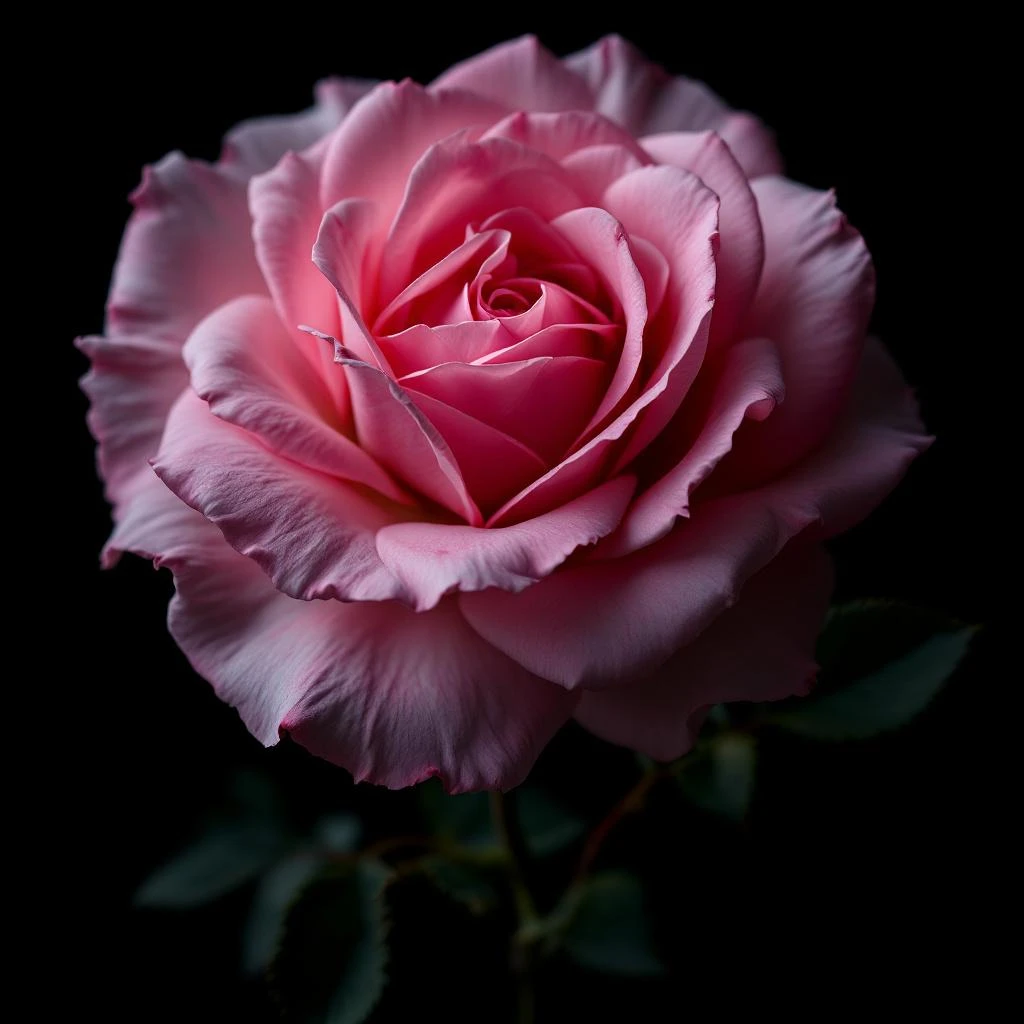
    English rose fragrance note

    English rose delivers a crisp floral heart, where fresh dewy petals meet a soft powdery finish and faint green whispers. The note anchors bo…More

    United Kingdom

    2

    Fragrances

    Fragrances featuring English rose

    Character

    The Story of English rose

    English rose delivers a crisp floral heart, where fresh dewy petals meet a soft powdery finish and faint green whispers. The note anchors both classic bouquets and contemporary blends, offering a garden‑like clarity that endures on the skin.

    Heritage

    The romance of English rose in perfumery stretches back to ancient Egypt, where rose pomades scented the skin of royalty. Persians refined distillation techniques, producing rose attar as early as the 10th century. Greeks and Romans spread the flower across the Mediterranean, using it in cosmetics and religious rites. By the Middle Ages, English gardens cultivated Rosa × centifolia, prized for its abundant blooms. The 19th‑century rise of Grasse as the perfume capital brought industrial scale to rose extraction; in 1915, over 1,000 women in Grasse hand‑picked petals to sustain the wartime market. The advent of synthetic aromatics in the early 20th century reduced reliance on natural rose, yet the note remained a benchmark of quality. Today, English rose continues to inspire creators, linking modern formulas to a lineage that spans millennia.

    At a Glance

    Fragrances

    2

    Feature this note

    Origin

    United Kingdom

    Primary source region

    Ingredient Details

    Extraction

    Steam distillation

    Used Parts

    Flower petals

    Did You Know

    "During World War I, French rose farms in Grasse employed over 1,000 women to hand‑pick petals for rose oil, keeping perfume production alive despite shortages."

    Production

    How English rose Is Made

    English rose oil begins with early‑morning harvest of fully opened petals, when volatile compounds peak. Workers cut stems and gently shake blossoms into collection baskets, avoiding bruising. In traditional Grasse workshops, petals are spread on glass plates and covered with odorless fat in a process called enfleurage; the fat absorbs the scent over several weeks. The saturated fat is then washed with alcohol, which extracts the fragrant molecules, producing a rose absolute. Parallelly, modern facilities use steam distillation: petals are placed in a copper still, steam passes through, capturing volatile oils that condense into a pale pink liquid called rose attar. The distillation run lasts 6 to 8 hours and yields 0.02‑0.04 ml of oil per kilogram of petals. Solvent extraction with hexane offers higher yields but requires careful removal of residues. After extraction, the oil is filtered, stored in amber glass, and kept at low temperature to preserve its delicate aroma.

    Provenance

    United Kingdom

    United Kingdom51.5°N, 0.1°W

    About English rose