Energy Drink
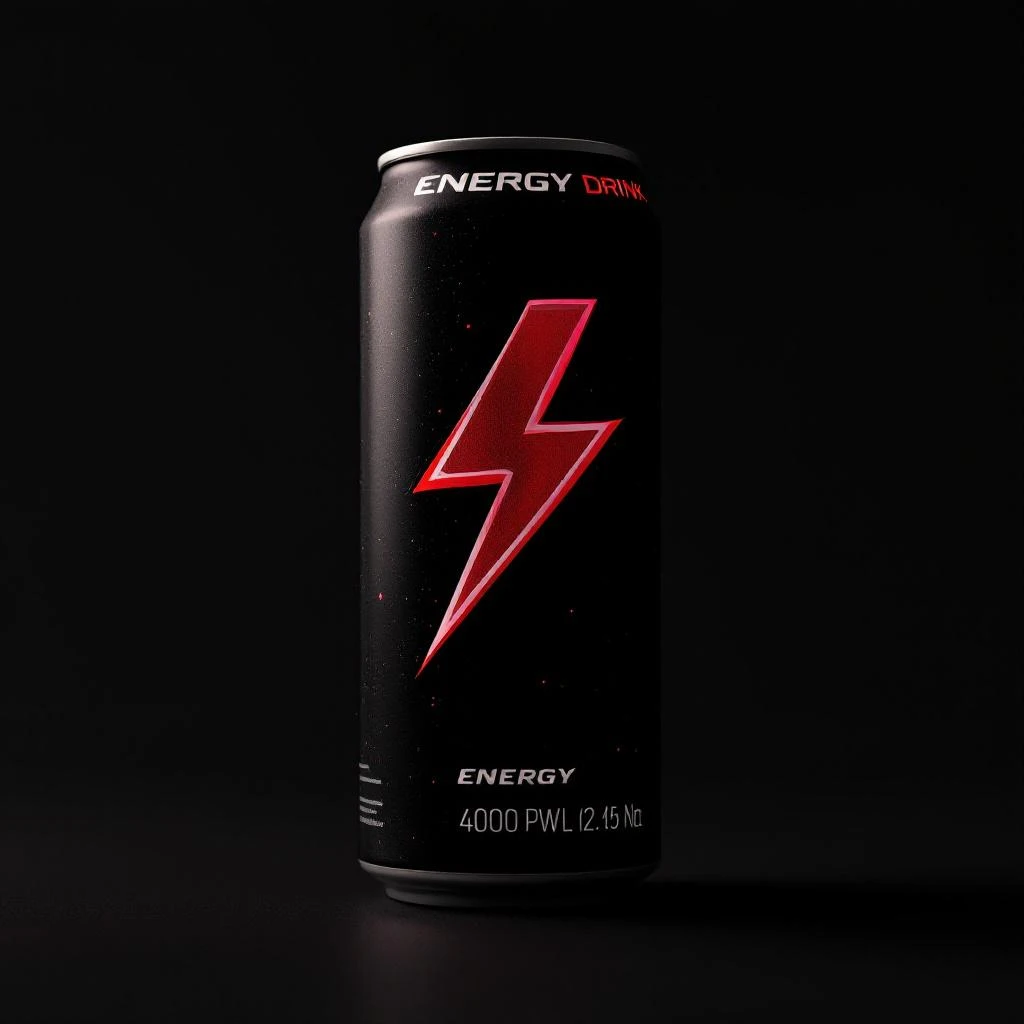
Energy Drink in perfumery captures the sharp, effervescent buzz of citrus, cool mint, and synthetic caffeine accords. It translates an iconic modern stimulant into a wearable scent that radiates kinetic, electric vitality.
Character
How it smells
Caffeinated sparkle bottled.
The first energy drink, Krating Daeng, launched in Thailand in 1976, predating the global energy drink boom by nearly two decades.
Pairs beautifully with

Origin
Thailand
Energy drinks emerged in the second half of the twentieth century as commercial products. Krating Daeng, launched in Thailand in 1976 by Chaleo Yoovidhya, became the prototype, blending caffeine, taurine, and B-vitamins into a sweet, accessible format. Red Bull adapted this concept for Western markets in 1987.
Perfumery noticed the cultural rise of these beverages in the early 2000s, when niche and youth-oriented fragrance houses began experimenting with accords that captured the sensation of the can rather than any specific fruit or herb. Early adopters of Energy Drink notes appeared in designer releases around 2010, aligning with a generation that associated the scent with late-night work, gaming, and streetwear. Over the next several years, the accord diversified.
Today, Energy Drink sits alongside other gourmand-adjacent novelties as proof that perfumery can translate abstract modern experiences, not just flowers and woods, into wearable form.
Wears it best
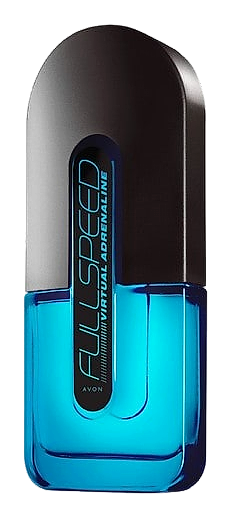
Fragrances featuring Energy Drink
Brands
Brands known for Energy Drink
Good to know
Questions, answered
The essentials on Energy Drink in perfumery: how it smells, where it comes from, and how it behaves on skin.
What does Energy Drink smell like in perfume?
Energy Drink accord blends sharp citrus, cool mint, and a slightly metallic bitterness for a fizzy, sweet-tart impression. It reads as effervescent and electric rather than fruity, mimicking the nose-tickle of opening a cold caffeinated beverage.
Is Energy Drink a natural ingredient?
No. Energy Drink accord is built entirely from synthetic aroma molecules. No plant or fruit produces the specific combination of fizz, bitterness, and sweetness associated with caffeinated beverages, so perfumers recreate the sensation in a lab.
When did Energy Drink first appear in perfumery?
Energy Drink notes began appearing in mainstream fragrances around 2010, tied to youth culture and streetwear crossovers. Early releases coincided with energy drink brands expanding into fashion sponsorships and motorsport.
Where did the original energy drink originate?
The first commercial energy drink, Krating Daeng, launched in Thailand in 1976. It predated Red Bull by over a decade and established the formula of caffeine, taurine, and B-vitamins that the modern category still uses.
Is Energy Drink fragrance safe to wear?
Yes, Energy Drink accords are formulated with IFRA-compliant synthetic molecules at concentrations safe for skin contact. As with all fragrances, individuals with sensitive skin or specific allergies should review the full ingredient list before applying.
What fragrance families use Energy Drink notes?
Energy Drink notes appear primarily in gourmand and fruity-fresh compositions, often paired with mint, citrus, and sparkling musks. It functions as a top-note novelty designed to grab attention within the first few minutes of wear.
How long does Energy Drink note last on skin?
Energy Drink accords are top-heavy and typically persist for 20 to 60 minutes before fading into the heart notes. Their short lifespan is by design, delivering an initial burst rather than a long-lasting base character.
Can Energy Drink perfume actually boost alertness?
The scent itself does not contain absorbable caffeine, so it cannot physiologically stimulate the wearer. However, olfactory association with energy drinks can trigger a mild placebo alertness response, similar to how coffee aromas affect some people.