
Character
The Story of Egyptian violet leaf absolute
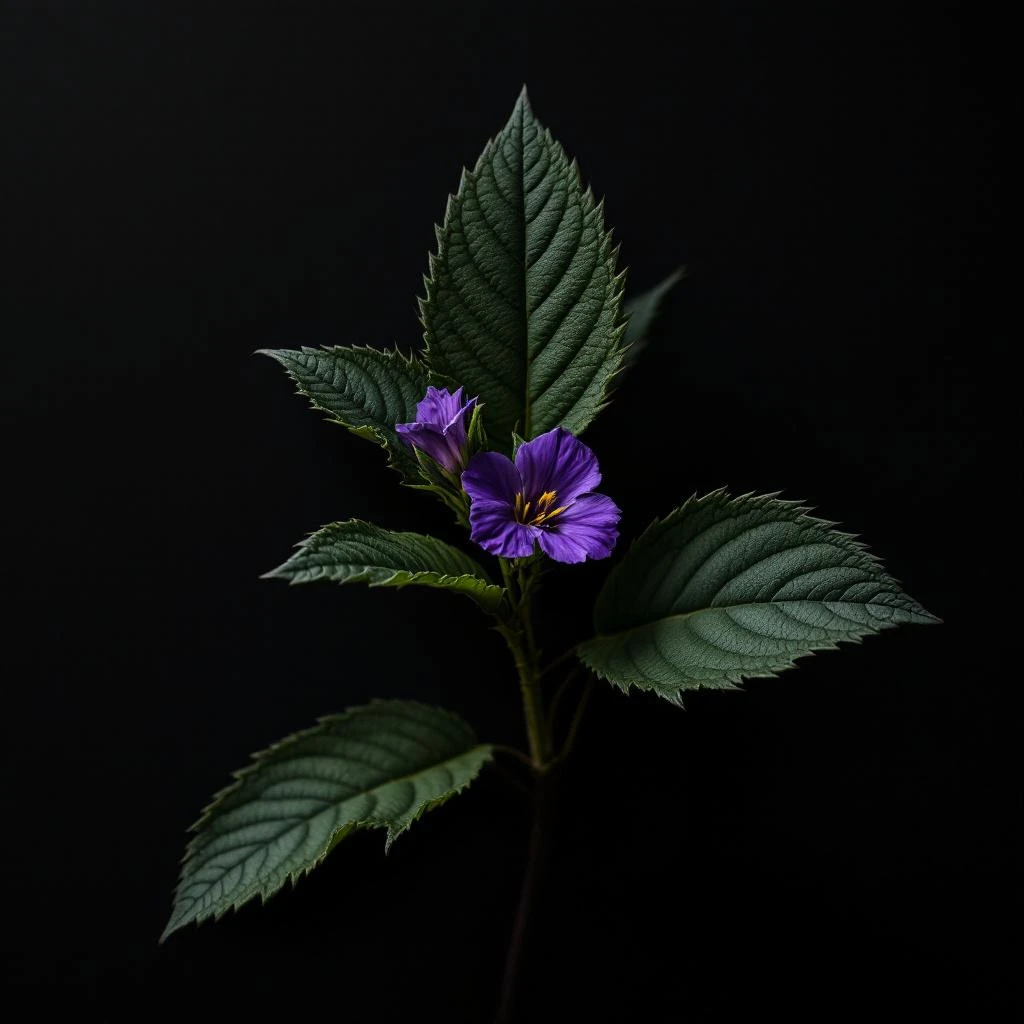
Egyptian violet leaf absolute captures the crisp, watery green of violet foliage, delivering a fresh, slightly powdery nuance that brightens modern compositions.
Heritage
Violet cultivation entered the perfume world in 1867 when growers in Grasse, France, first planted Viola odorata for flower extraction. Early perfumers relied on enfleurage, a labor‑intensive method that pressed fresh blossoms against animal fat to capture their powdery scent. By the early 20th century, demand for a greener, more sustainable note led chemists to explore the plant’s foliage. Egypt’s warm, dry climate proved ideal for producing large quantities of violet leaves, and by the 1970s the country supplied roughly 90 % of the global leaf material. Modern Egyptian farms harvest leaves during the summer months, then store them briefly to develop their characteristic watery green aroma before extraction. The shift from flower to leaf not only expanded the violet family’s olfactory palette but also introduced a note that blends naturally with both classic and contemporary fragrances. Iconic creations such as Chanel No 5 Eau and Dior Eau Sauvage have relied on Egyptian violet leaf absolute to add a fresh, natural edge, cementing its place in perfumery history.
At a Glance
2
Feature this note
Egypt
Primary source region
Ingredient Details
Solvent extraction
Leaf material
Did You Know
"Around 90% of the world’s violet leaf absolute comes from Egypt, where leaves mature under the Nile’s summer heat before a 24‑hour maceration unlocks their green aroma."