Character
The Story of Egyptian Pelargonium
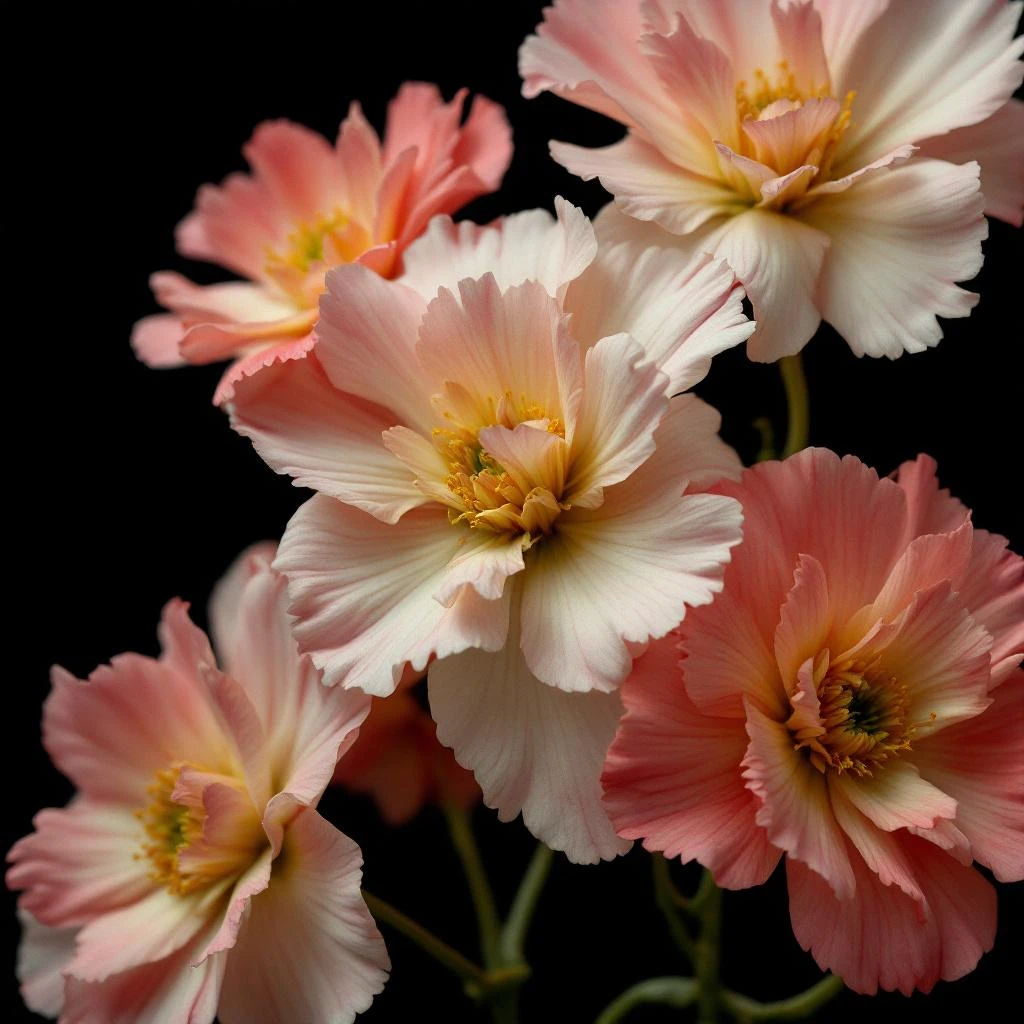
Egyptian Pelargonium offers a crisp, herbaceous rose scent with bright citrus sparks and a clean green edge. Its clear, uplifting profile makes it a staple for fresh accords and adds a natural lift to both floral and aromatic blends.
Heritage
Ancient Egyptians burned geranium leaves in temple incense, valuing the plant for its bright scent and perceived cleansing power. The Dutch botanist Paul Hermann introduced the species to Europe in 1678 after collecting specimens from the Red Sea coast. By the early 18th century, French perfumers began experimenting with geranium extracts, noting a distinct rose character. Commercial production did not start until the 1970s, when Egyptian growers adopted steam distillation and exported the oil worldwide. Over the past five decades, the oil has moved from a regional curiosity to a global ingredient, appearing in classic floral perfumes and modern aromatic blends alike.
At a Glance
2
Feature this note
Egypt
Primary source region
Ingredient Details
Steam distillation
Fresh leaf and stem material
Did You Know
"In Egyptian geranium oil, citronellol can reach over 40 % of the total composition, a concentration higher than most other geranium varieties, giving the oil its distinctive fresh rose character."