Character
The Story of Egyptian Neroli
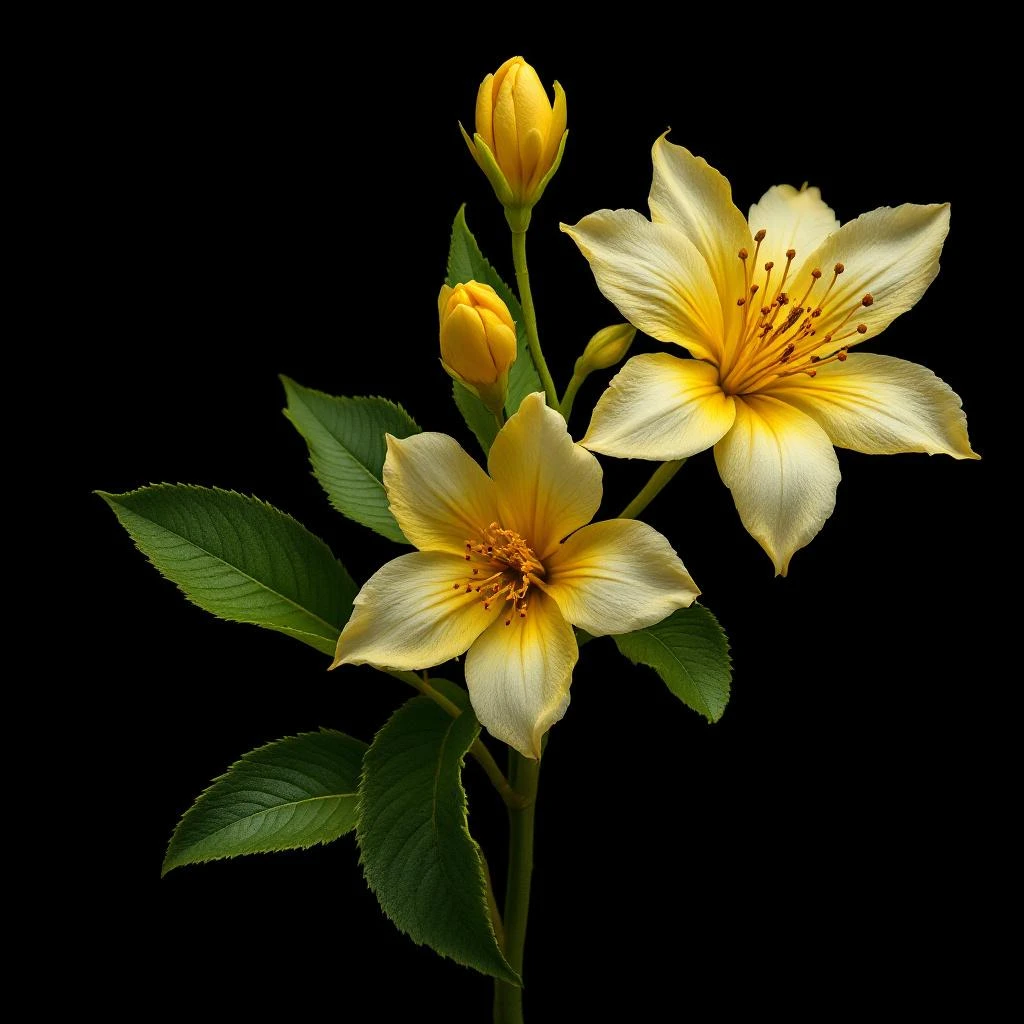
Egyptian Neroli is the precious essential oil steam-distilled from the blossoms of the bitter orange tree. It has been central to perfumery for centuries, prized for its intoxicating floral citrus character that bridges bright freshness with deep warmth.
Heritage
The history of Egyptian neroli threads through millennia of civilization. Ancient Egyptians first embraced the bitter orange blossom for spiritual practices, using the aromatic oil in temple rituals and burial ceremonies to honor the divine. The oil took its modern name from Princess Anne-Marie de Nerola, an Italian noblewoman of the 17th century who popularized the scent throughout European courts, reportedly wearing it as a perfume and in her bath. Before this naming, the blossoms traveled an ancient trade route: Persians used the oil to fragrance palace walls and royal garments centuries earlier, establishing a tradition that linked the ingredient to power and refinement. When bitter orange trees spread from East Asia along Mediterranean trade routes, Egypt emerged as an ideal growing region with its climate and soil conditions. Egyptian cultivators perfected cultivation techniques that produced blossoms with exceptional aromatic richness. By the early 20th century, Egypt had become one of the world's primary neroli producers, a position it maintains today. The oil carries layers of meaning across cultures: protection in ancient Egypt, seduction in Renaissance Europe, and modern sophistication in fine perfumery.
At a Glance
2
Feature this note
Egypt
Primary source region
Ingredient Details
Steam distillation
Blossoms
Did You Know
"Egyptian neroli oil requires approximately one ton of hand-harvested blossoms to produce just one kilogram of finished oil."
Pyramid Presence