Character
The Story of Egyptian musk
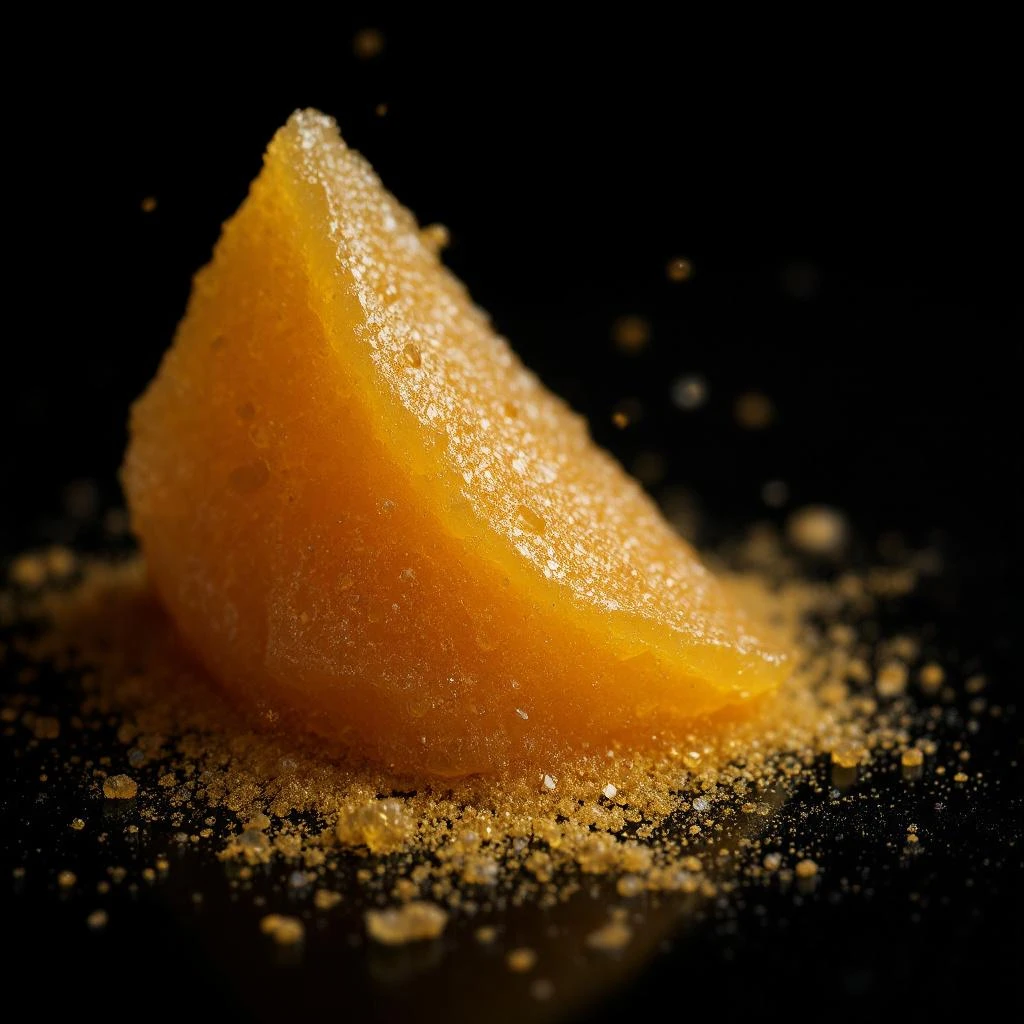
Egyptian musk delivers a warm, animalic core with subtle amber and woody whispers, echoing the ancient incense chambers of the Nile, used by temple priests to seal sacred rites.
Heritage
Egyptian records from 3000 BCE mention fragrant oils poured over statues and placed in tombs. Scholars translate hieroglyphs that list "musk" among the prized ingredients for royal incense. Trade routes carried the animal gland from the Himalayan foothills to the Nile delta, where priests blended it with blue lotus and Nile lily extracts. By the New Kingdom, Egyptian musk appeared in the famed "Kyphi" formula, a complex blend reserved for pharaohs. Greek historians such as Herodotus noted that Egyptian courts imported musk in sealed clay jars, valuing it for its lasting scent. During the Roman period, the demand for musk surged, prompting the establishment of dedicated caravans across the Red Sea. The 19th century saw the rise of synthetic alternatives after animal sourcing faced ethical scrutiny, allowing the scent to remain a staple in modern perfumery while preserving its ancient legacy.
At a Glance
2
Feature this note
Egypt
Primary source region
Ingredient Details
Solvent extraction
Musk gland
Did You Know
"The original Egyptian musk came from the gland of the Himalayan musk deer, a rarity that ancient traders shipped across the Red Sea to satisfy Egyptian courts."