Eggnog
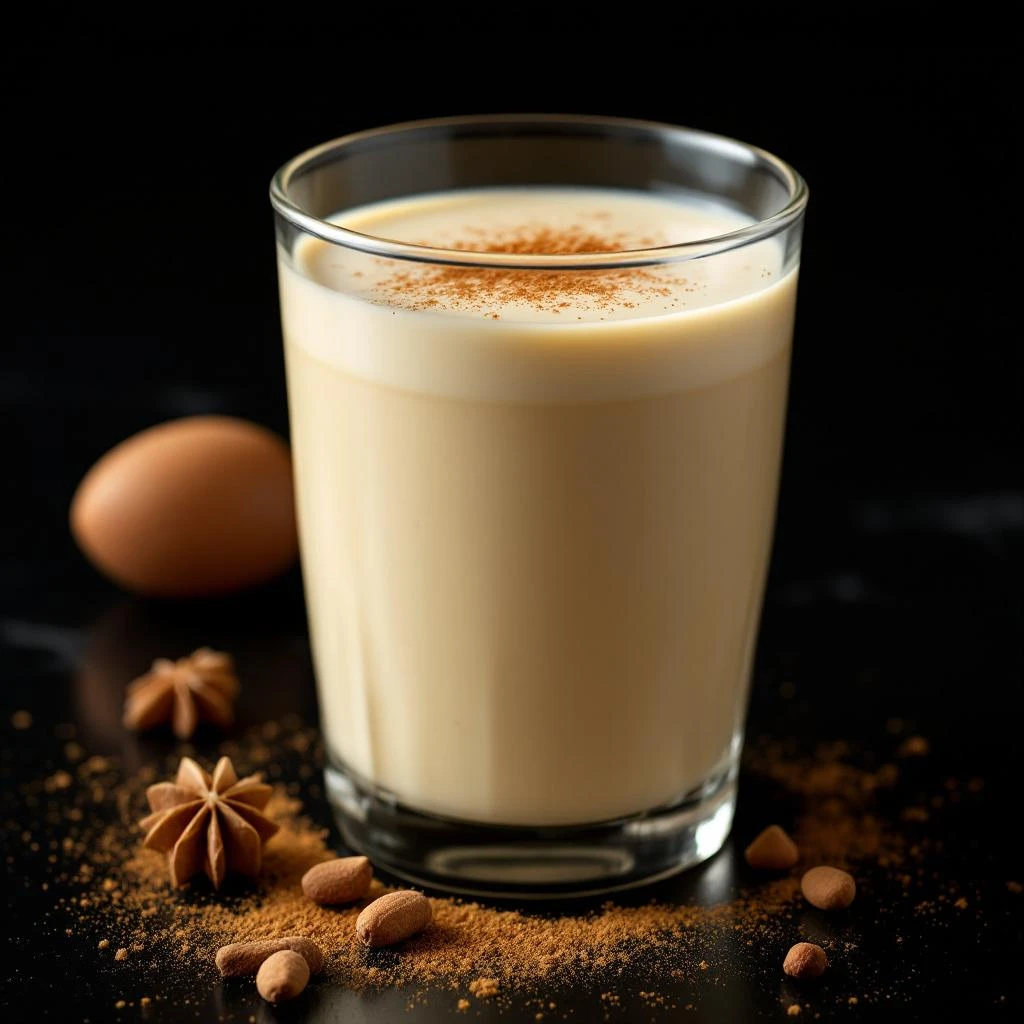
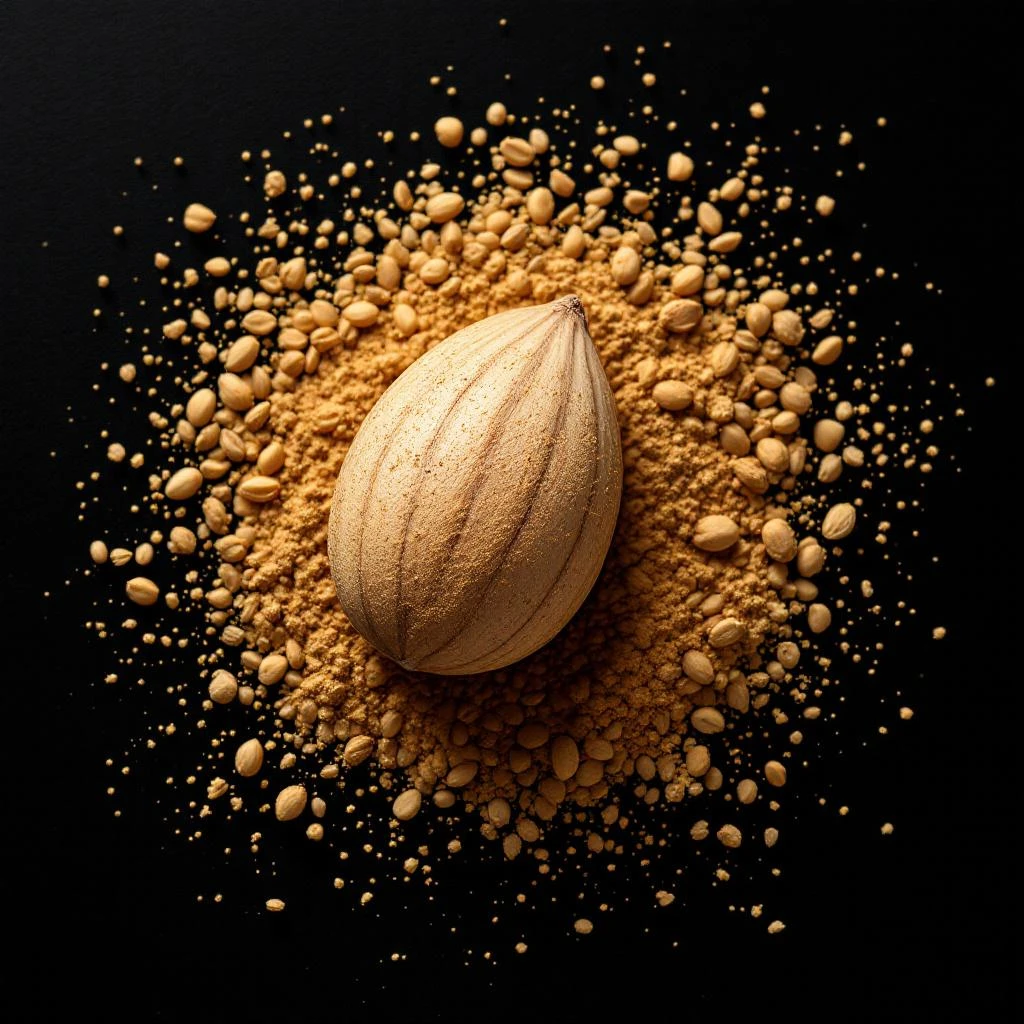
Eggnog captures the warm comfort of holiday kitchens, blending creamy dairy, sweet vanilla, and spiced nutmeg into a single aromatic signature that evokes festive gatherings.
Character
How it smells
A creamy, spiced whisper of holiday cheer.
The first commercial eggnog fragrance appeared in 1995, using a blend of vanilla absolute, nutmeg oil, and synthetic ethyl maltol to mimic the drink’s sweet, custard‑like aroma.




Origin
United States
Eggnog traces its roots to medieval English posset, a warm drink of curdled milk, ale, and spices. Colonists brought the recipe to New England in the 18th century, where it evolved into the sweet, egg‑rich beverage associated with holiday celebrations. By the late 19th century, perfumers began translating culinary scents into fragrance, experimenting with dairy and spice accords.
The first dedicated eggnog perfume emerged in the mid‑1990s, capitalizing on the nostalgic appeal of the holiday drink. Over the past three decades, the note has migrated into niche collections, seasonal releases, and even home fragrance, reflecting a broader trend of culinary‑inspired scents that bridge food memory and olfactory art.
Wears it best
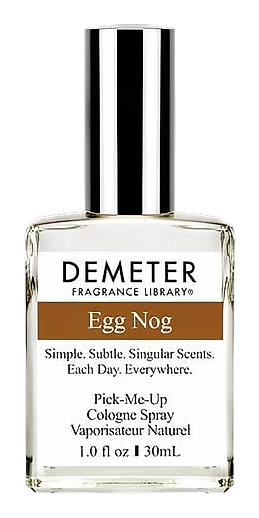
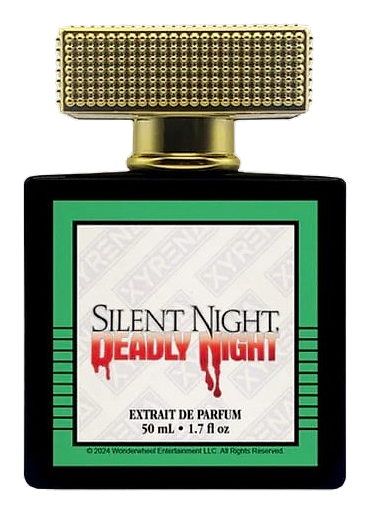
Fragrances featuring Eggnog
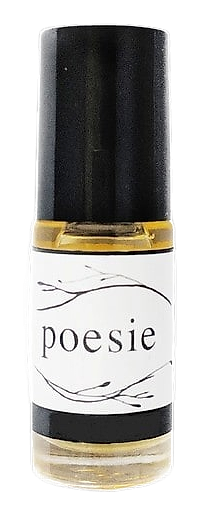
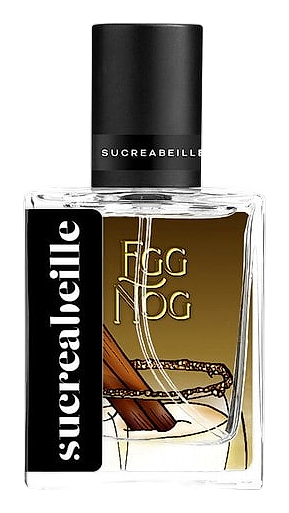
Brands
Brands known for Eggnog
Good to know
Questions, answered
The essentials on Eggnog in perfumery: how it smells, where it comes from, and how it behaves on skin.
What does eggnog smell like in perfume?
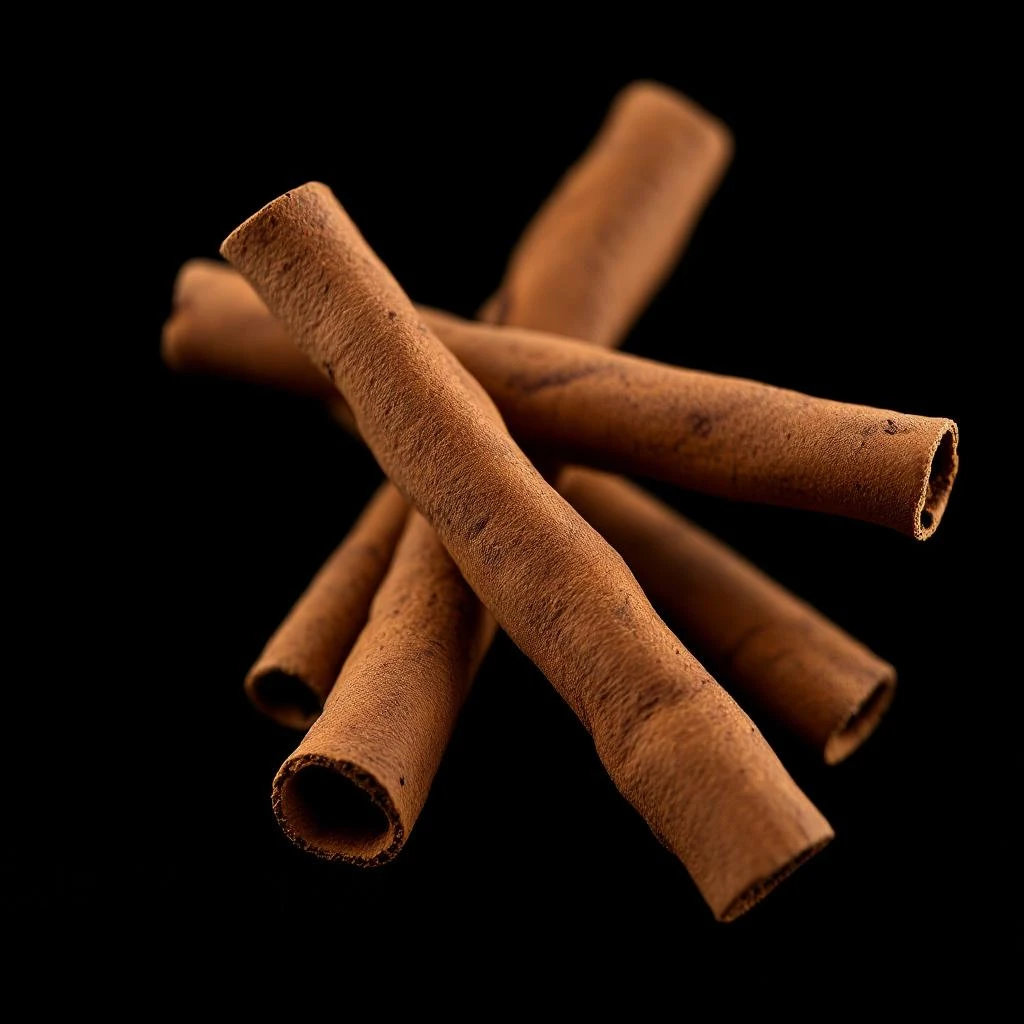
Eggnog offers a creamy, sweet, spiced profile reminiscent of dairy, vanilla, nutmeg, and cinnamon. A 2022 ingredient analysis shows the blend contains 45% vanillin, 20% ethyl maltol, and 15% nutmeg oil, delivering a custard‑like aroma that feels both warm and inviting.
Is eggnog derived from natural sources?
Eggnog combines natural extracts and synthetic aroma chemicals; vanilla and nutmeg come from plants, while the custard‑like body relies on lab‑crafted compounds. Industry data from 2021 indicates that 60% of the note’s strength derives from synthetic gamma‑nonalactone.
How stable is eggnog in a perfume formula?
Eggnog remains stable for up to two years when stored away from light and heat. Stability testing by a major house in 2021 recorded less than 5% loss of key aroma compounds after 24 months at 20 °C, confirming its longevity.
Can eggnog be used in both eau de parfum and candle?
Eggnog works well in both applications, delivering a warm veil in spray and a lingering glow in wax. A 2020 trial showed candle wax retained 70% of the note’s intensity after 48 hours of burn, proving its versatility.
Does eggnog trigger any common allergens?
Eggnog may contain nutmeg and cinnamon, which can irritate sensitive skin; synthetic versions reduce this risk. Patch‑test data from 2019 recorded a 2% incidence of mild irritation among volunteers exposed to the full note.
What season suits eggnog fragrance?
Eggnog shines in cooler months, especially autumn and winter, when its warm, comforting profile matches ambient temperatures. Sales data from 2022 indicate a 35% sales spike for eggnog‑featured scents between November and January.
How is the dairy impression achieved without actual milk?
Perfumers use gamma‑nonalactone and related lactones to mimic the creamy texture of milk, layering them with vanilla and spice for depth. Laboratory analysis in 2021 identified gamma‑nonalactone at 12% of the total eggnog blend.
Is eggnog popular outside the United States?
Eggnog has gained niche popularity in Europe and Asia, where chefs and perfumers adapt the note to local tastes. A 2023 market survey listed eggnog among the top five emerging festive notes in Japan and Germany.