Character
The Story of East Indian patchouli
Rich, earthy, and deeply resinous, East Indian patchouli anchors fragrances with a hypnotic complexity that evolves on the skin over hours.
Heritage
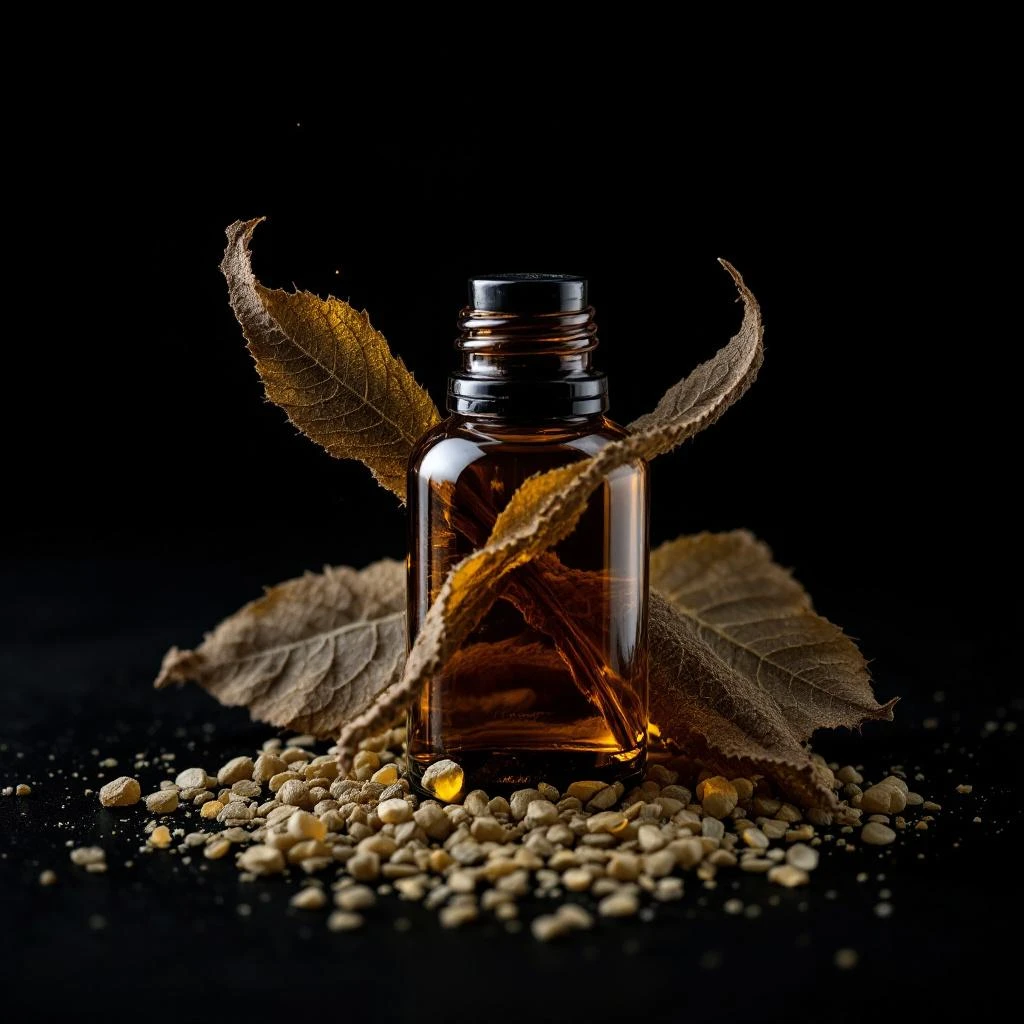
Patchouli carries its name from the Tamil words patch (green) and ilai (leaf), tracing its roots to the tropical forests of Southeast Asia. For centuries, the plant served medicinal, spiritual, and practical purposes across India, Malaysia, and the Philippines. During the spice trade era, traders discovered that patchouli leaves packed alongside silk and cashmere repelled moths and signaling authenticity, making its scent synonymous with quality goods across Europe. The ingredient first appeared in Western perfumery in the 19th century, gaining luxury status through chypre and oriental fragrances. It fell briefly into countercultural obscurity during the 1960s before reclaiming its prestige in niche and haute parfumerie as a complex, multi-dimensional base note prized for its longevity.
At a Glance
1
Feature this note
Indonesia
Primary source region
Ingredient Details
Steam distillation
Dried leaves
Did You Know
"Patchouli leaves were pressed into bolts of silk along ancient spice routes, leaving a signature scent that authenticated imported fabrics in 19th-century Europe."