Durian fruit
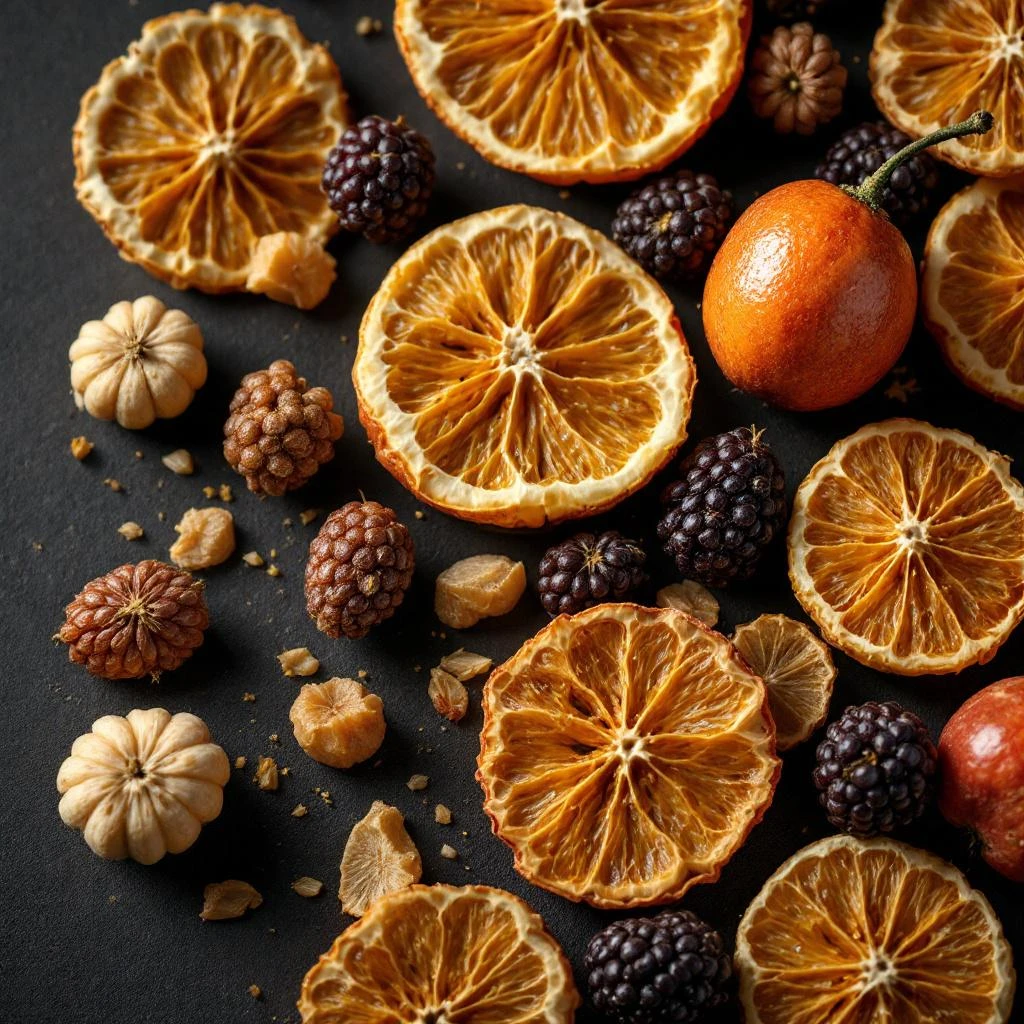
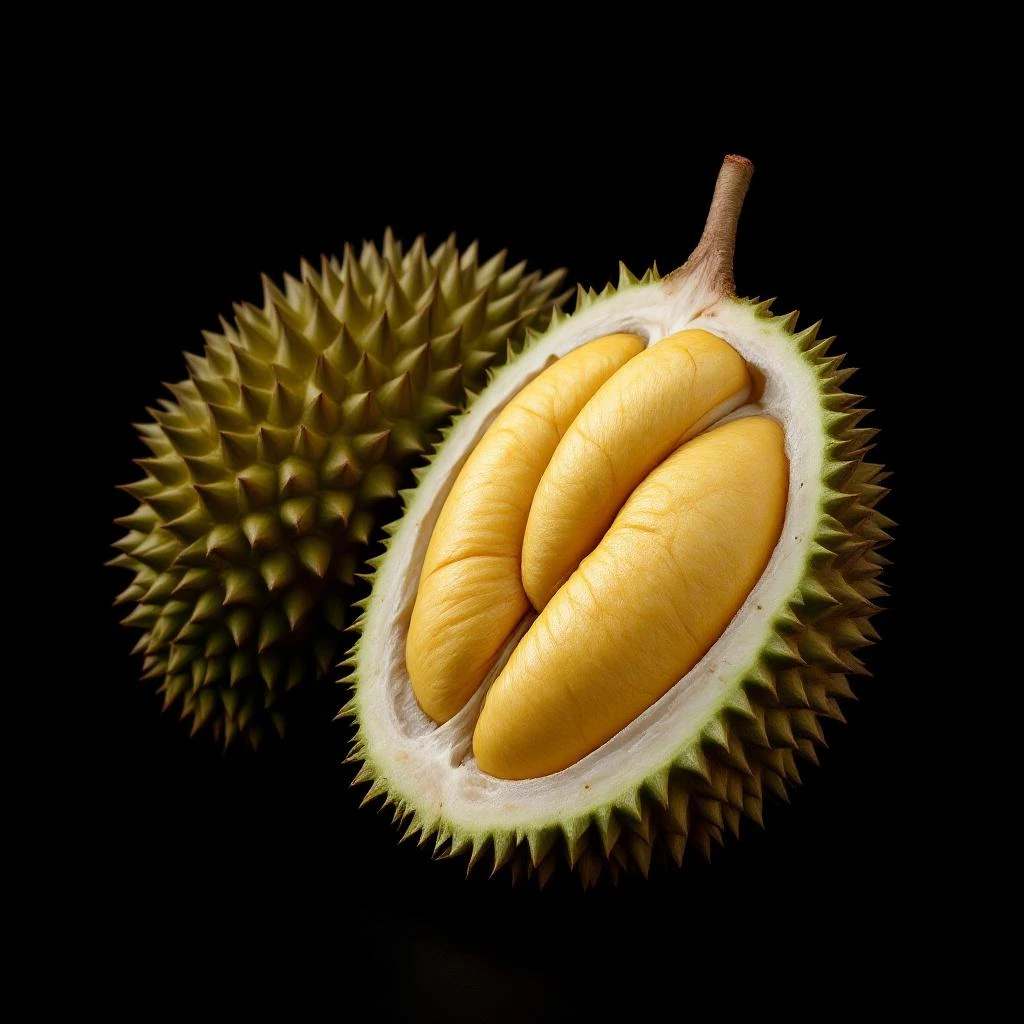
The crowned King of Fruits, notorious for its divisive aroma. Durian's scent ranges from sweet custard to savory sulfur, a complex volatile profile that perfumers capture for truly boundary-pushing compositions.
Character
How it smells
Controversial. Cultivated. Captivating.
Researchers identified over 50 volatile compounds in durian, including ethanethiol, the same sulfur compound found in rotting onions.



Origin
Indonesia
Durian's story begins in the rainforests of Borneo and Sumatra, where wild trees still grow today. The fruit spread throughout the Malay Peninsula and became central to regional cuisine and culture long before written records. Dutch colonial traders in the 1800s documented durian as a prized export, though they noted its overwhelming odor created real market challenges in European ports.
Alfred Russel Wallace, the British naturalist, famously described the fruit's aroma as resembling rotting cheese and onions mixed with custard, yet declared it worth the journey to taste. Indigenous communities across Southeast Asia cultivated named varieties for centuries, some orchards containing trees over 100 years old. The name itself derives from the Malay word 'duri,' meaning thorn, a direct reference to the fruit's fearsome spiked shell.
Today, durian remains both national symbol and divisive delicacy, commanding premium prices across Asia and inspiring passionate debate among those who encounter its scent for the first time.
Wears it best
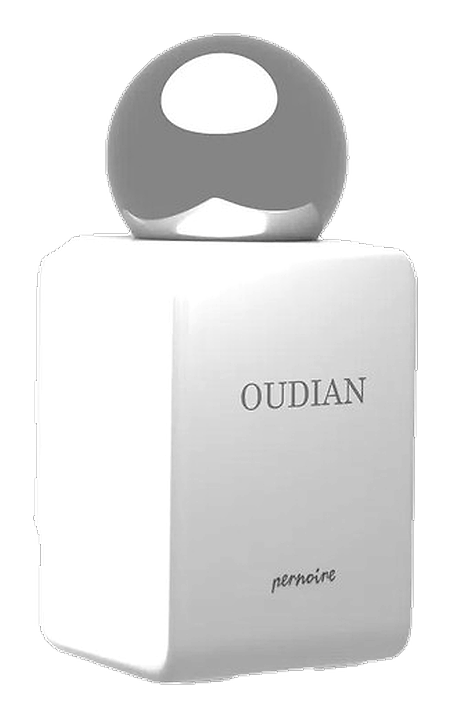
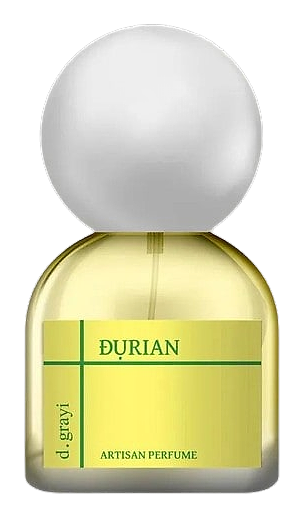
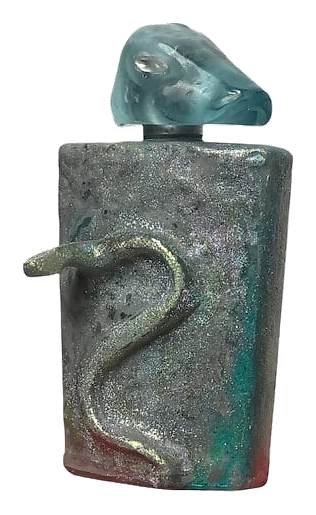
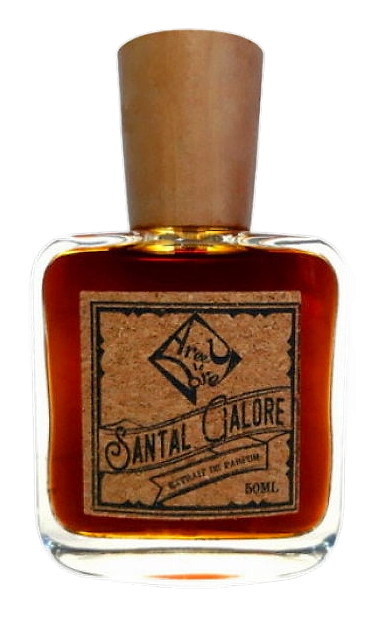
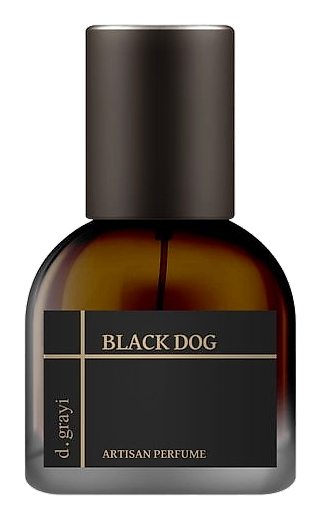
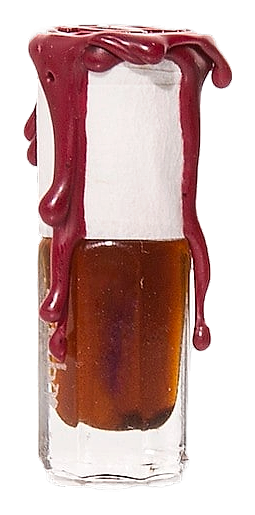
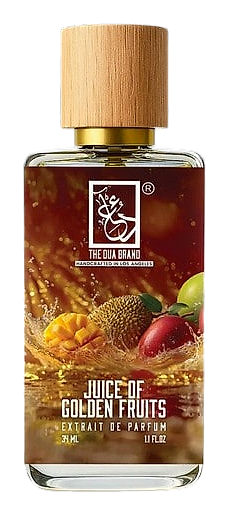
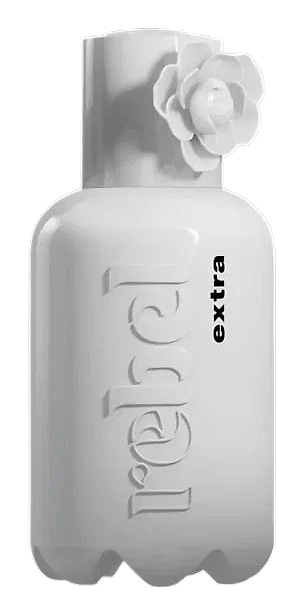
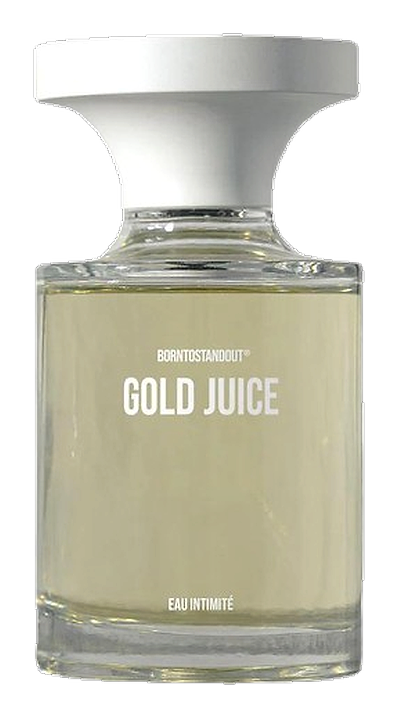
Fragrances featuring Durian fruit
Brands
Brands known for Durian fruit
Good to know
Questions, answered
The essentials on Durian fruit in perfumery: how it smells, where it comes from, and how it behaves on skin.
What does durian fruit smell like in perfumery?
Durian fragrance notes capture the fruit's complex scent profile, blending creamy sweetness with savory sulfurous undertones. GC-MS analysis has identified ethanethiol and over 50 other volatile compounds contributing to this distinctive, polarizing aroma.
Why is durian banned in some public spaces?
Yes, durian is prohibited on many Southeast Asian transit systems, including Singapore's MRT and various airlines. The fruit's intense sulfur compounds, particularly ethanethiol, produce a persistent odor that many passengers find overwhelming in enclosed spaces.
Is durian actually used in commercial perfumes?
Durian appears rarely in mainstream perfumery due to extraction challenges and consumer unfamiliarity. However, niche perfumers in Southeast Asia have begun incorporating durian notes, often using headspace technology to capture the fruit's authentic aromatic complexity.
Where does durian originally come from?
Durian originates from Borneo and Sumatra, with wild trees still thriving in these rainforests today. Archaeological evidence suggests cultivation spread throughout the Malay Peninsula over 4,000 years ago, with named heritage varieties in Malaysia exceeding 100 years old.
What extraction method works best for durian?
Headspace technology and solvent extraction both outperform steam distillation for durian. Traditional steam distillation destroys heat-sensitive sulfur compounds, while solvent methods preserve the full volatile spectrum including the ethanethiol responsible for the fruit's signature pungency.
How many volatile compounds are in durian fruit?
Scientists have identified over 50 volatile compounds in durian aril using gas chromatography. These include ethanethiol, diethyl disulfide, and various esters, with sulfur compounds increasing dramatically during ethylene-triggered ripening.
Is durian fragrance safe for skin?
Properly extracted durian fragrance materials are generally safe at standard perfumery concentrations. However, the raw fruit contains high sugar and fat content that can irritate skin, making professional extraction essential for any cosmetic application.
What does durian taste versus smell like?
Durian's aroma features sulfurous, onion-like top notes that fade into creamy, custard-like sweetness. The taste itself is predominantly rich and savory, often compared to almonds or cheese, with the notorious smell being significantly stronger than the flavor.