


Character
The Story of Dry woods
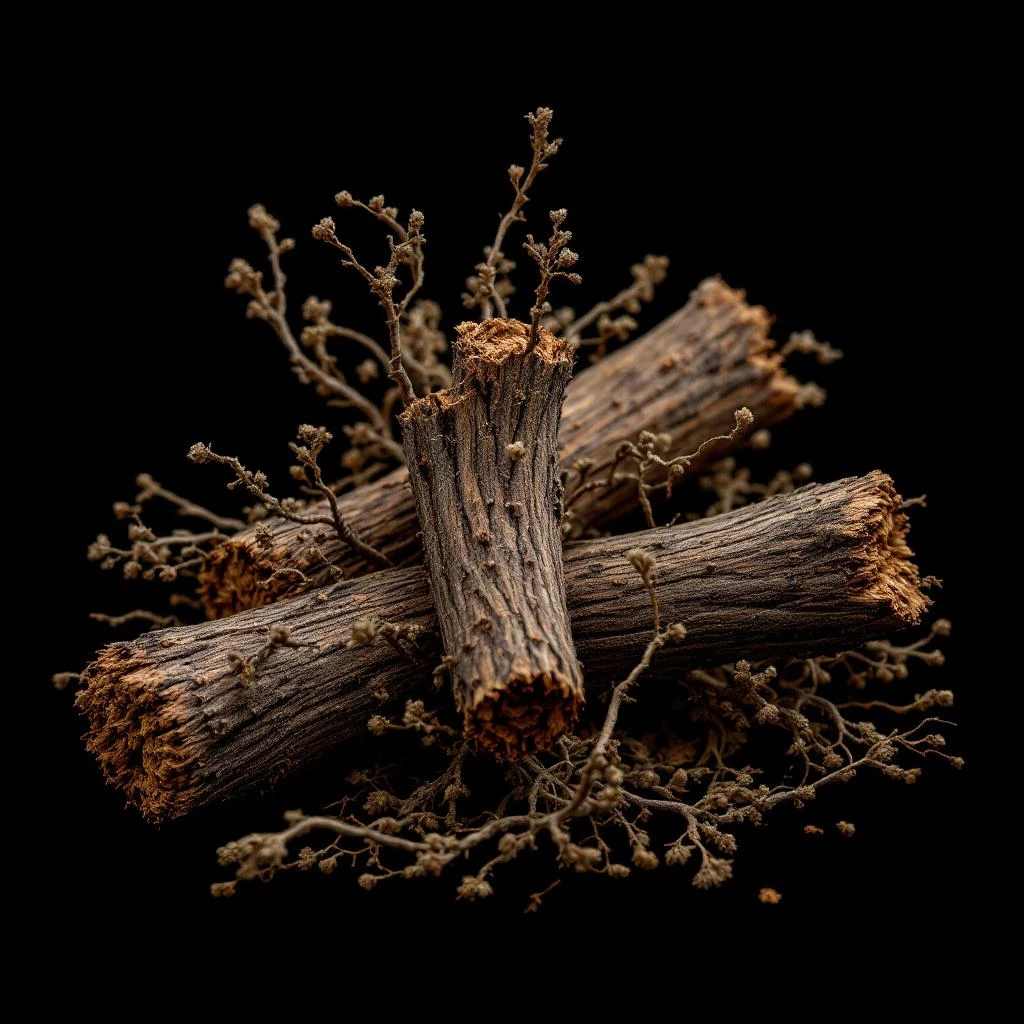
Dry woods form the architectural backbone of countless fragrances, lending structure, depth, and a quietly authoritative presence that persists from first spray to final fade. This category encompasses austere, pencil-sharp cedars and smoky guaiac, woods that command attention without demanding it.
Heritage
The relationship between humans and dry woods stretches back millennia. Ancient Egyptians prized cedar for its role in funerary rituals, using the oil extracted from its heartwood for embalming and cosmetics. The tree held near-sacred status across civilizations—from Japan's Hinoki cypress temples to Lebanon's national flag. Atlas cedar arrived in European cultivation in 1839, though Mediterranean civilizations had long prized the species for its rot-resistant qualities in shipbuilding and architecture. Japanese carpenters developed Sugi (cryptomeria) and Hinoki for temple construction and traditional bathing, understanding that these woods imparted something beyond mere fragrance. The marriage between humanity and dry wood goes beyond commerce; these materials have shaped sacred spaces, ceremonial practices, and the natural landscapes of three continents for thousands of years.
At a Glance
2
Feature this note
Lebanon, United States, Japan
Primary source region
Ingredient Details
Steam distillation, CO2 supercritical extraction, solvent extraction
Heartwood, wood shavings, bark
Did You Know
"Iso E Super, the fragrance industry's most widely used woody molecule, was discovered accidentally during 1970s cedarwood chemistry research."
Pyramid Presence