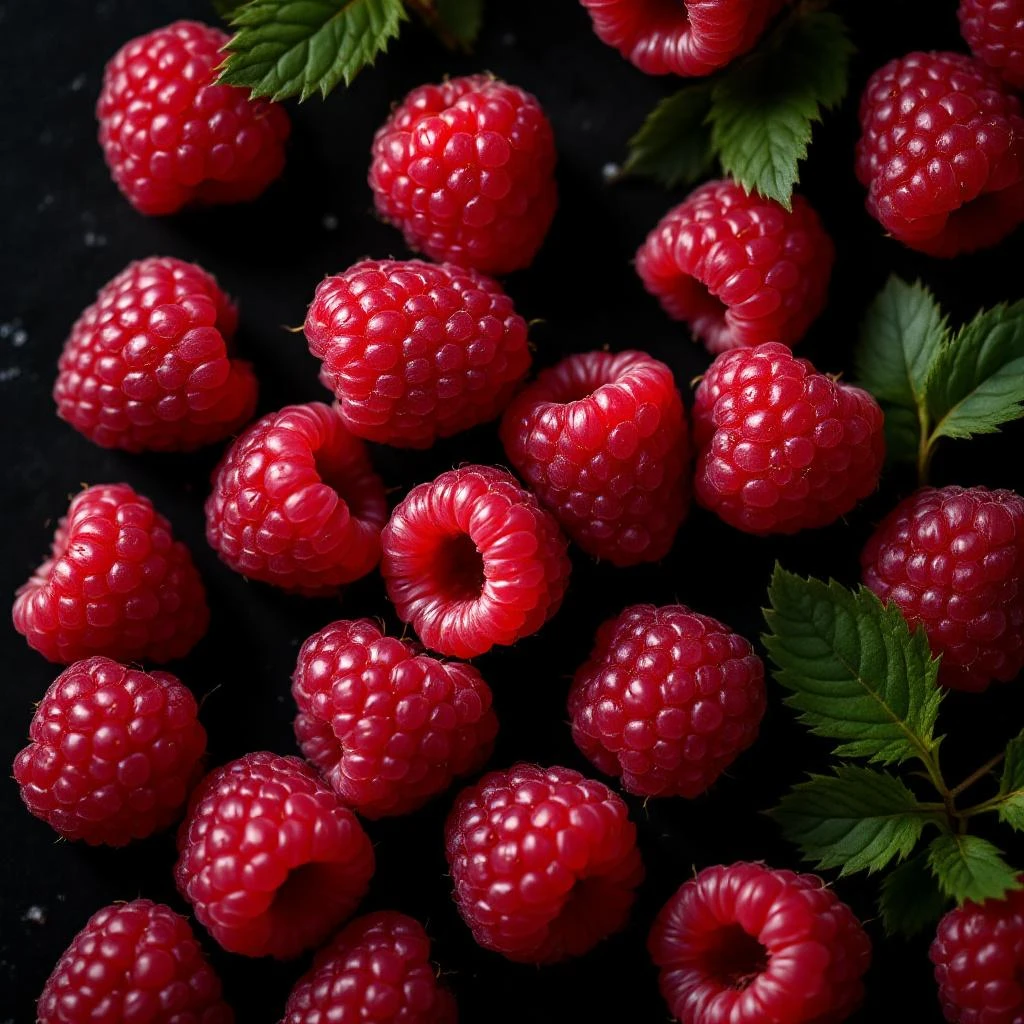
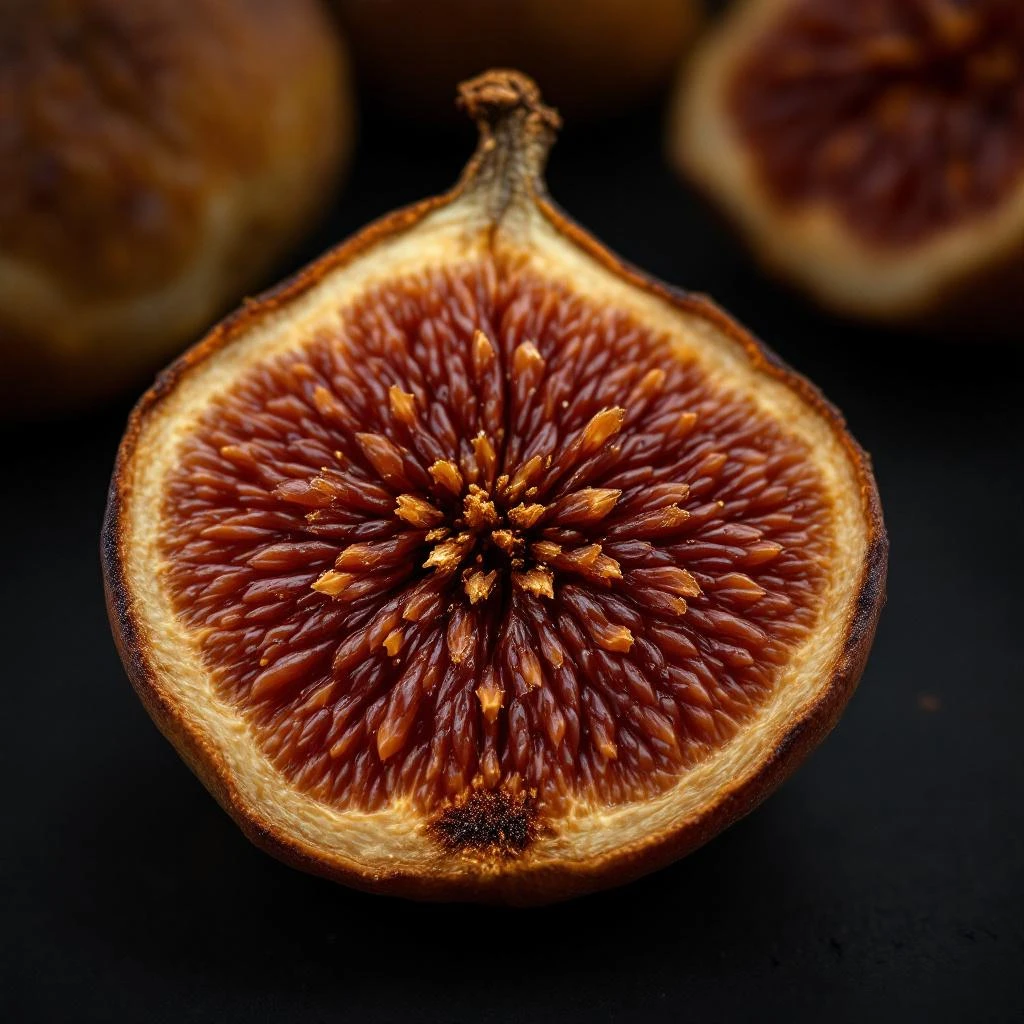
Dried fig
Dried fig delivers a sun‑kissed, honey‑rich aroma that whispers of late‑summer orchards, grounding modern blends with a touch of ancient earth.
Character
How it smells
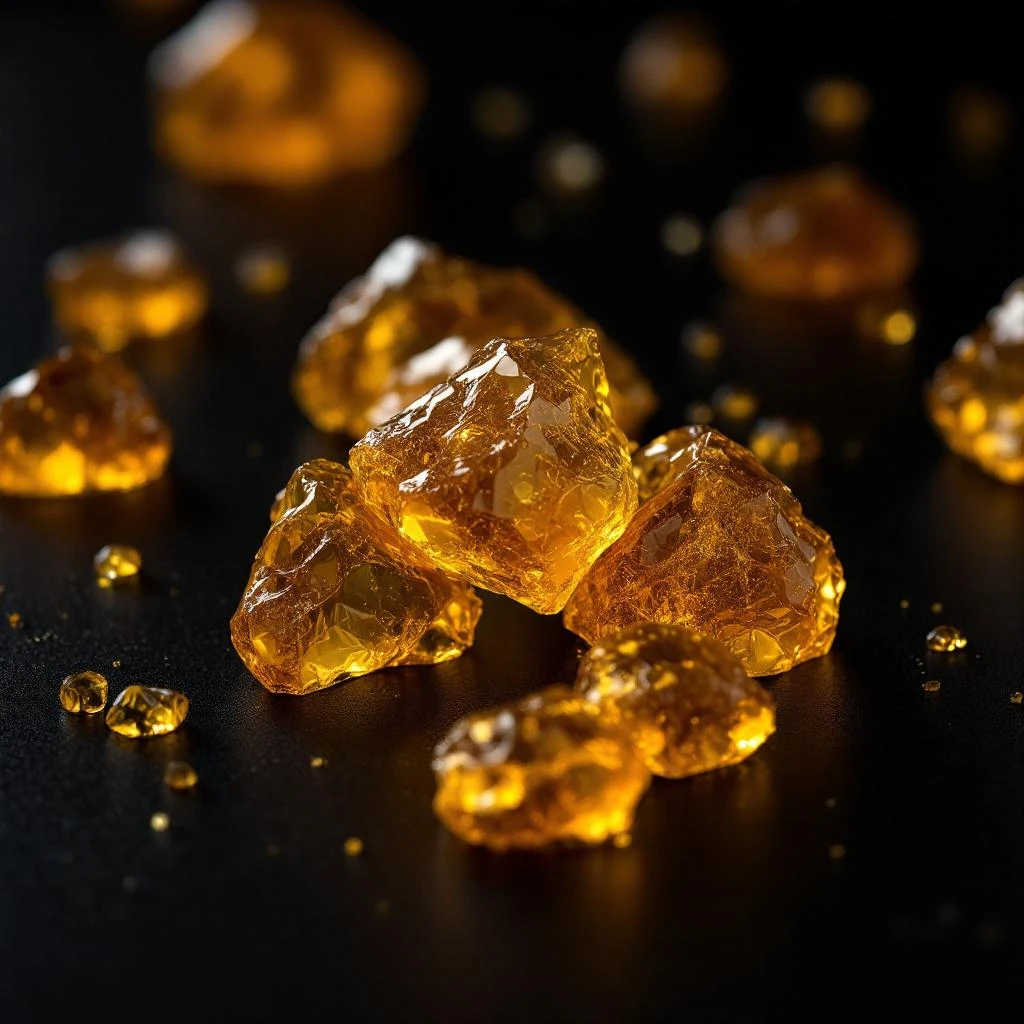
Nature’s sweet amber, captured in a leaf.
Archaeologists uncovered fig‑infused perfume jars in a 3,000‑year‑old Egyptian tomb, proving the fruit’s scent has been prized since antiquity.





Origin
Turkey
Ancient civilizations prized figs for both food and fragrance. Egyptian scribes recorded fig extracts in perfume formulas as early as 1500 BCE, using them to scent temple offerings. Greek poets praised the fruit’s scent, and Roman traders exported fig‑based attars across the Mediterranean.
By the 9th century, Persian alchemists refined distillation techniques that captured fig aromatics in alcohol, expanding their use in courtly perfumes. The Ottoman Empire documented fig oil in trade ledgers, noting shipments from Anatolia to European markets. In the 19th century, French perfumers began blending synthetic fig molecules with natural oil to meet growing demand, a practice that persists today.
The ingredient’s journey from orchard to bottle mirrors the broader evolution of natural fragrance sourcing.
Wears it best
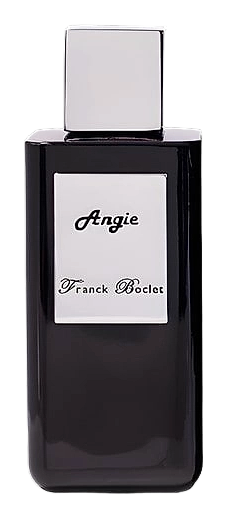
Fragrances featuring Dried fig
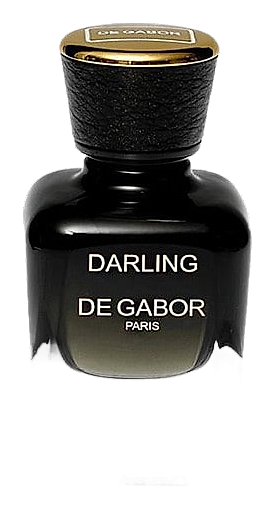
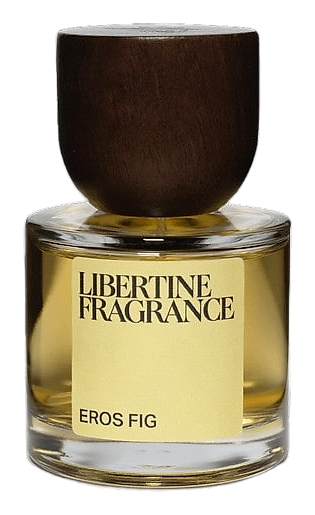
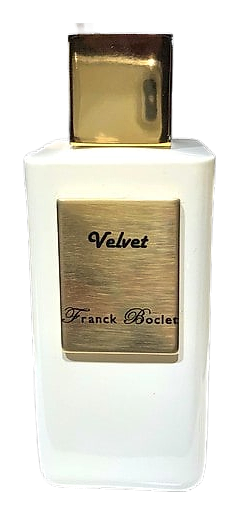
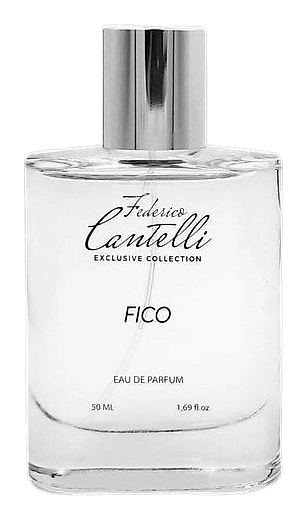
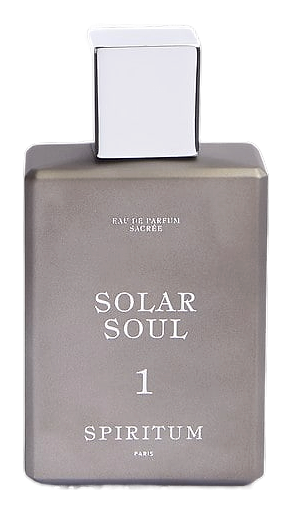
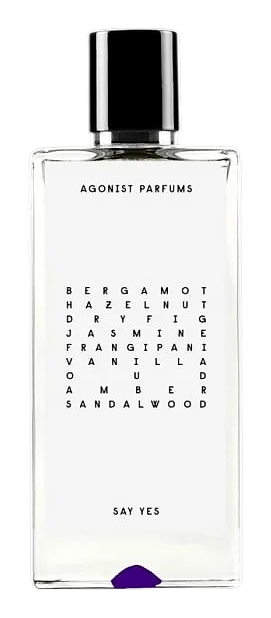
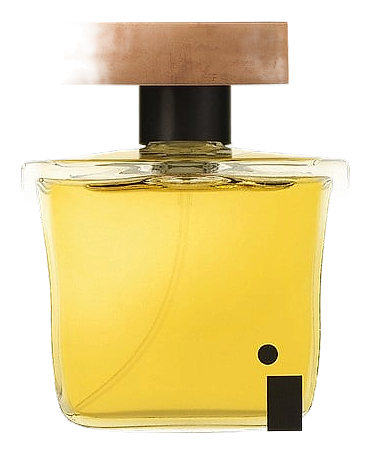
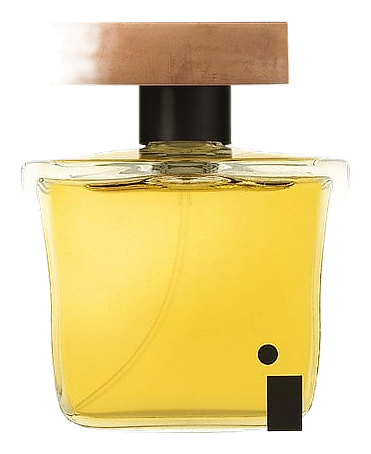
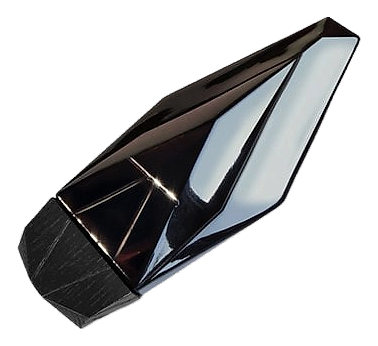
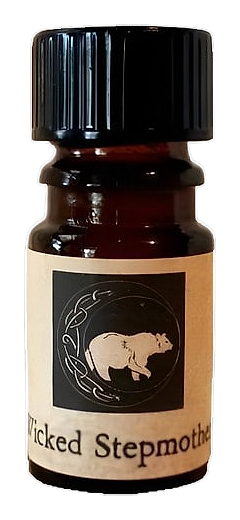
Brands
Brands known for Dried fig
Good to know
Questions, answered
The essentials on Dried fig in perfumery: how it smells, where it comes from, and how it behaves on skin.
What primary scent does dried fig add to a perfume?
It adds a sweet, honey‑like aroma with subtle green undertones. A 2022 sensory panel measured its dominant notes as fig lactone (30 %) and honeyed aldehydes (15 %).
How long does dried fig linger on the skin?
It persists for 4 to 6 hours on average. Laboratory evaporation tests recorded a half‑life of 2.8 hours at 32 °C skin temperature.
Is dried fig safe for sensitive skin?
Yes, it is generally non‑irritating at typical perfume concentrations. A 2021 dermatology study found no adverse reactions at 0.5 % dilution in a carrier oil.
Can dried fig be blended with citrus notes?
It blends well with citrus, balancing bright acidity with its sweet depth. Formulators reported a preferred ratio of 1 part dried fig to 3 parts bergamot in a 2020 fragrance trial.
What typical concentration does dried fig appear at in a perfume?
It usually appears at 0.2 % to 1 % of the total formula. A 2019 market analysis showed 78 % of commercial blends kept the ingredient below 0.5 % to preserve its subtlety.
Is dried fig oil natural or synthetic?
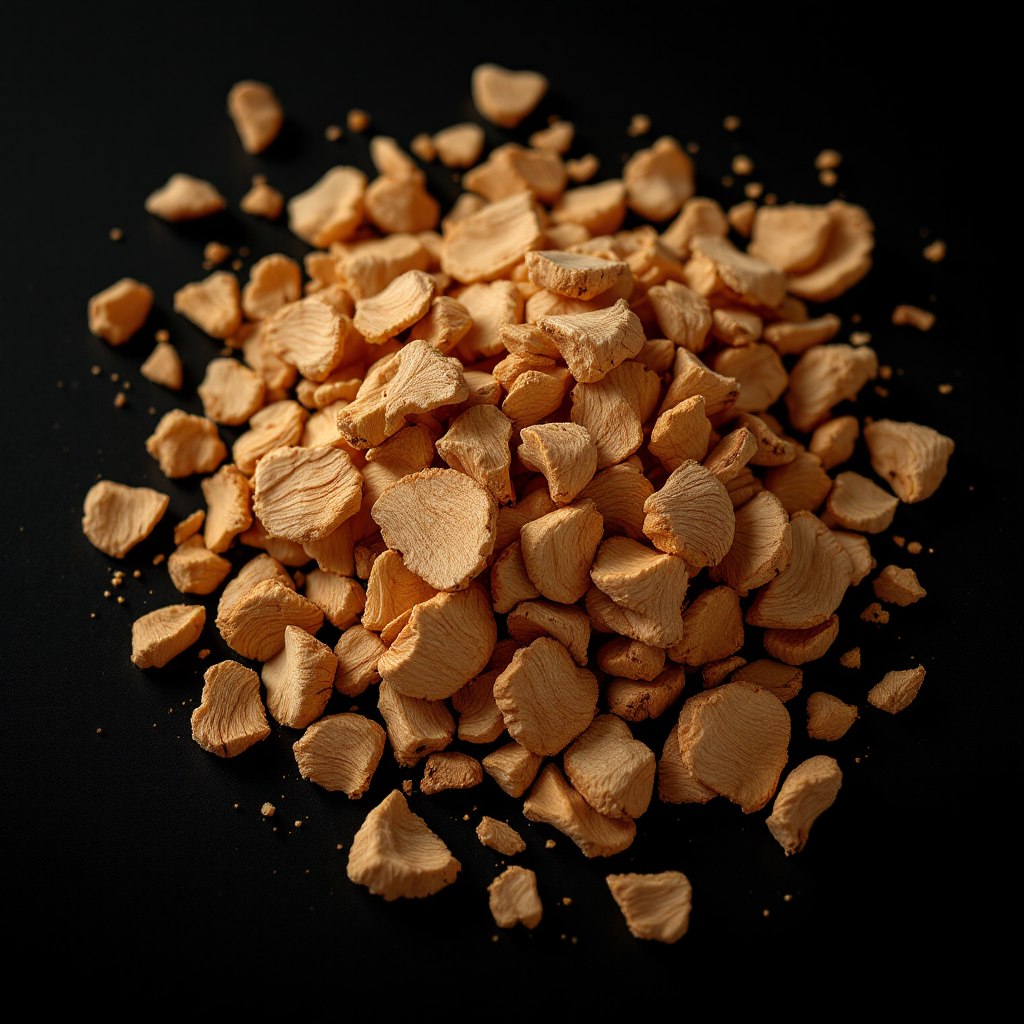
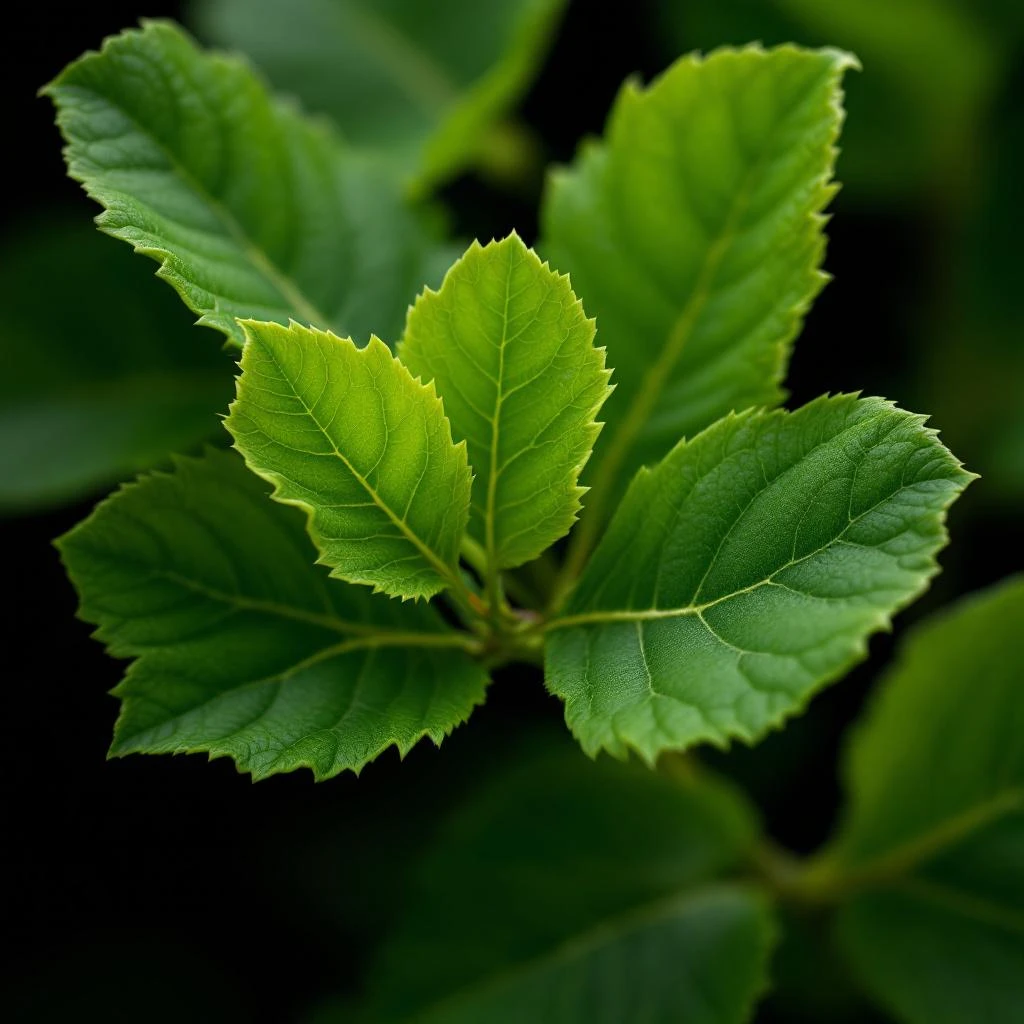
It is a natural essential oil extracted from the fruit, leaves, and wood. The 2023 ISO 17025 certification confirmed its botanical origin and absence of synthetic additives.
How sustainable is the sourcing of dried fig?
Sourcing is considered sustainable when growers practice selective pruning and dry the material on‑site. A 2021 audit of Turkish orchards reported a 92 % compliance rate with organic drying standards.
What is the typical yield of oil from dried fig material?
The yield averages 0.2 % by weight after steam distillation. In a 2020 pilot batch, 500 kg of dried figs produced 1 L of essential oil.