Character
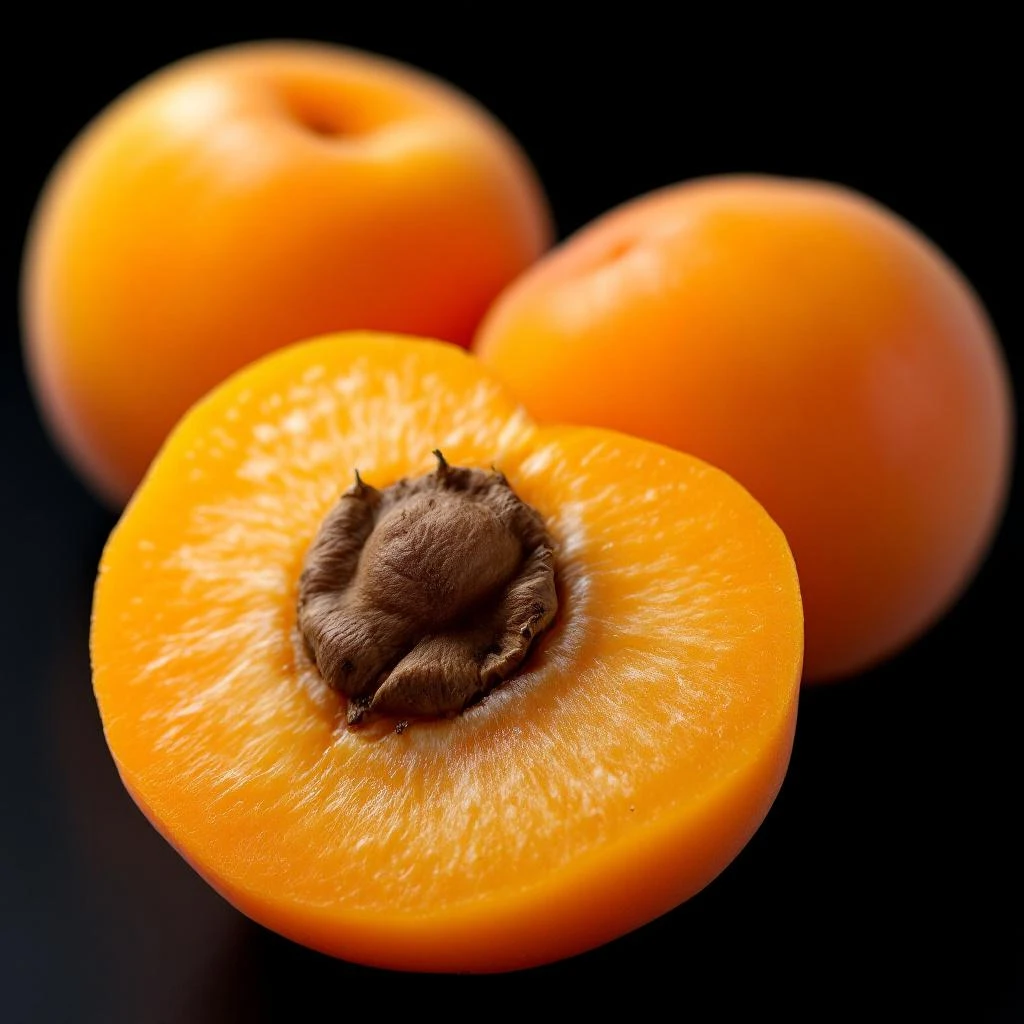
The Story of Dried apricot
Dried apricot offers a sun‑kissed, honeyed sweetness that anchors fruit accords with a subtle, leathery depth, making it a prized note for gourmand and oriental blends.
Heritage
Apricot trees first spread across the Silk Road from China to the Mediterranean around the 5th century BC. Persian traders prized the dried fruit for its sweet scent and used it in incense blends that adorned royal courts. By the 12th century Arab alchemists recorded macerating dried apricot in oil to capture its aroma for personal grooming. European apothecaries imported the fruit in the 16th century, where it appeared in scented pomanders and early Eau de Cologne formulas. The 19th century saw the rise of solvent extraction, allowing perfumers to isolate a true apricot absolute rather than a simple tincture. Today natural perfumers value the note for its ability to bridge fresh fruit and warm gourmand accords, echoing a heritage that spans continents and centuries.
At a Glance
1
Feature this note
Turkey
Primary source region
Ingredient Details
Solvent extraction
Dried fruit flesh
Did You Know
"Dried apricot absolute contains trace benzaldehyde, a compound also found in bitter almond, which gives the note its characteristic almond‑like nuance."