Dihydromyrcenol
Dihydromyrcenol is a synthetic aroma chemical prized for its intensely fresh citrus and herbal character. A cornerstone of modern masculine perfumery, it delivers the clean, bright top notes that define countless iconic men's fragrances.
Character
How it smells
The citrus engine behind some of perfumery's most iconic men's fragrances.
Dihydromyrcenol made its debut in the landmark 1975 fragrance Azzaro Pour Homme, forever altering the trajectory of masculine scent design.






Origin
Global
Dihydromyrcenol was first introduced in 1975 by International Flavors & Fragrances (IFF), debuting in Azzaro Pour Homme. That fragrance became a landmark, demonstrating how synthetic freshness could replace the heavy tobacco and leather profiles that dominated men's scents at the time.
The 1970s marked a turning point: perfumers began embracing light, citrusy aromatics, and dihydromyrcenol was central to that shift. Azzaro combined it with clary sage, oakmoss, and coumarin, creating a sharp, aromatic fougère that felt modern and confident.
That blueprint, built around DHM's clean citrus-woody character, became one of the most influential fragrance structures in modern perfumery. Today, it remains one of the most-used aroma chemicals in men's fragrance worldwide.
Wears it best
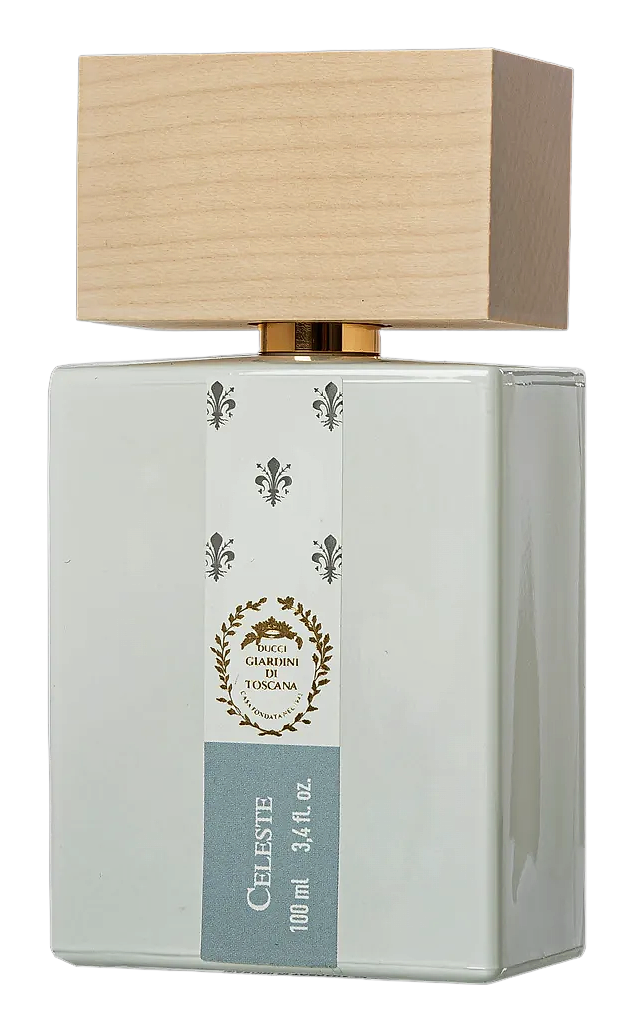
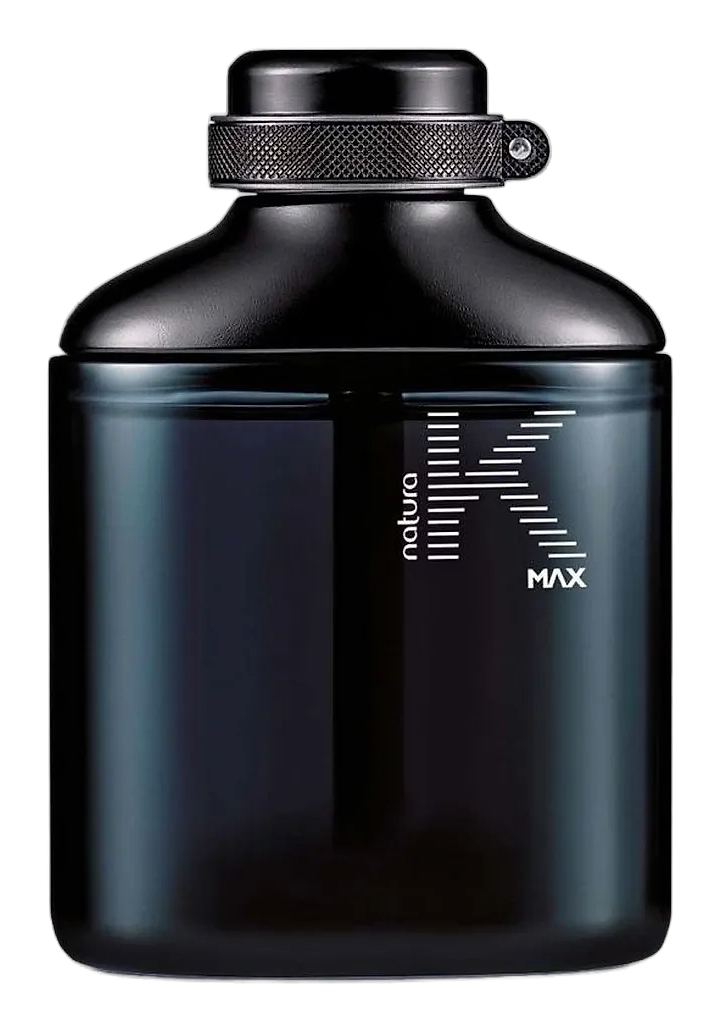
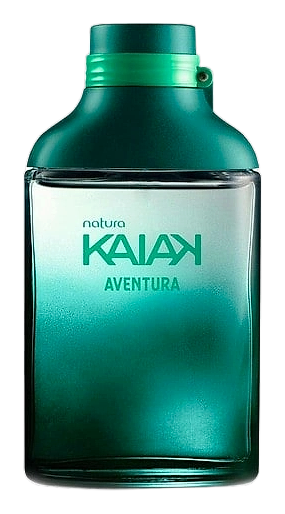
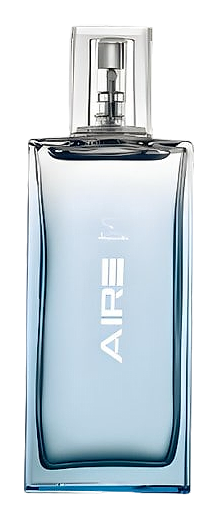
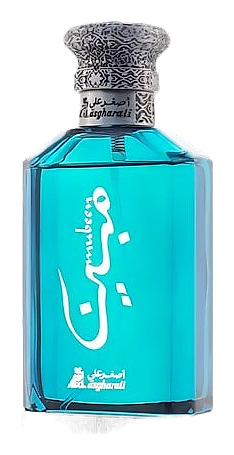
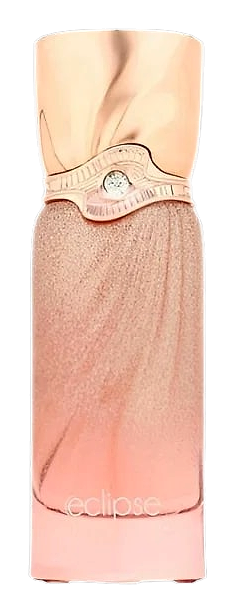
Fragrances featuring Dihydromyrcenol
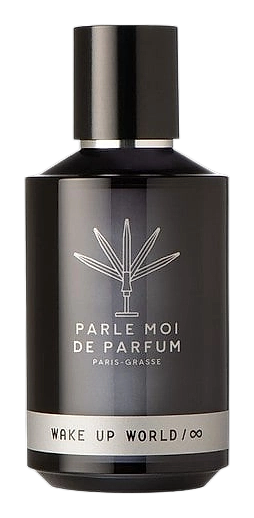
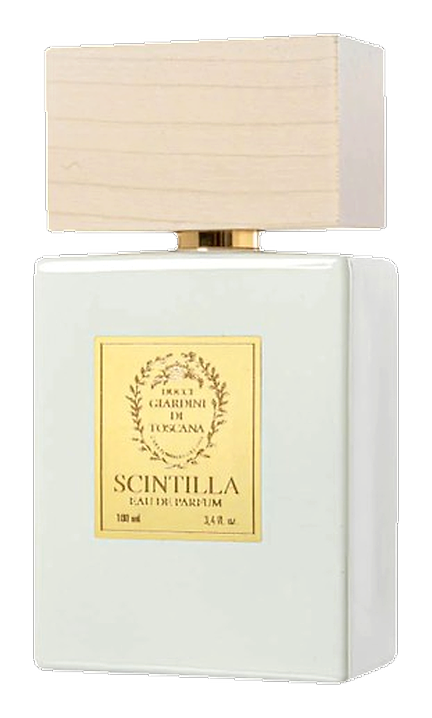
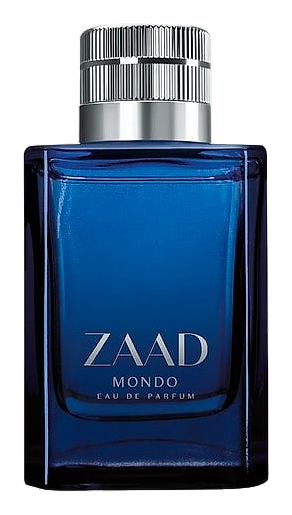
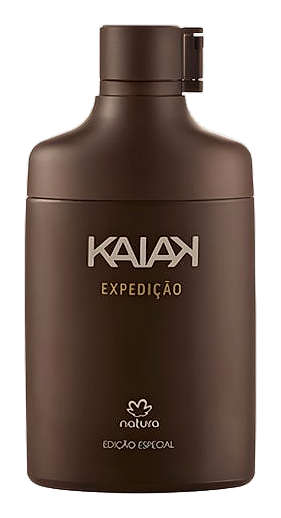
Brands
Brands known for Dihydromyrcenol
Good to know
Questions, answered
The essentials on Dihydromyrcenol in perfumery: how it smells, where it comes from, and how it behaves on skin.
What is dihydromyrcenol?
Dihydromyrcenol is a synthetic aroma chemical known for its intensely fresh, citrus, and slightly herbal scent profile. It is widely used in modern perfumery as a top-note modifier that adds brightness and cleanliness to fragrance compositions.
Where does dihydromyrcenol come from?
It is produced synthetically from beta-myrcene, which is isolated from sulfate turpentine oil. This turpentine is a byproduct of the paper pulp industry, making DHM an upcycled material in contemporary fragrance production.
What does dihydromyrcenol smell like?
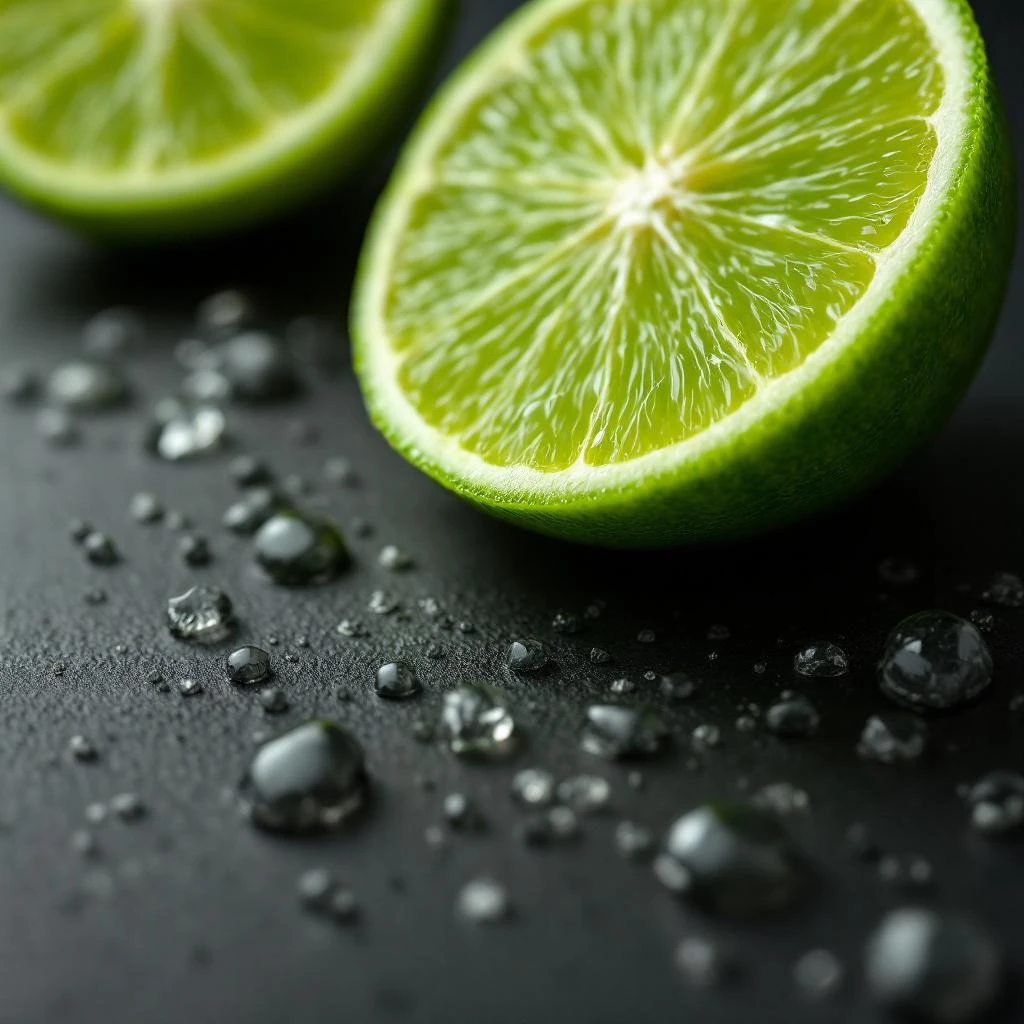
It has a fresh, sharp citrus character with distinct lemon and lime-like qualities. Beneath the citrus brightness lies a cooler herbal-lavender undertone, which gives it more depth than a simple citrus oil.
What makes dihydromyrcenol different from natural citrus ingredients?
Unlike natural citrus oils, dihydromyrcenol resists oxidation and does not cause the phototoxicity concerns associated with bergamot or lemon peel oils. This stability makes it ideal for functional and fine fragrance applications.
When did dihydromyrcenol first appear in perfumery?
It was introduced in 1975 by IFF, debuting in Azzaro Pour Homme. The 1970s marked a major shift in men's perfumery away from heavy chypres toward lighter, aromatic fougères, and DHM was foundational to that movement.
Is dihydromyrcenol considered sustainable?
Modern production upcycles sulfate turpentine from the paper industry, turning an industrial byproduct into a fragrance material. This shift toward upcycling began gaining momentum in the 2010s and has since been adopted by major fragrance ingredient suppliers.
Which fragrance families use dihydromyrcenol most?
It is a staple of masculine fougère and aromatic fragrance families, where it forms the fresh top notes. It also appears in modern aquatic, citrus, and certain unisex compositions that seek a clean, contemporary character.
How important is dihydromyrcenol to the fragrance industry today?
The global dihydromyrcenol market was valued at $283.4 million in 2025, reflecting its widespread use. It remains one of the most commercially significant aroma chemicals in men's fine and functional fragrance worldwide.
In the same family