
Character
The Story of Desert herbs
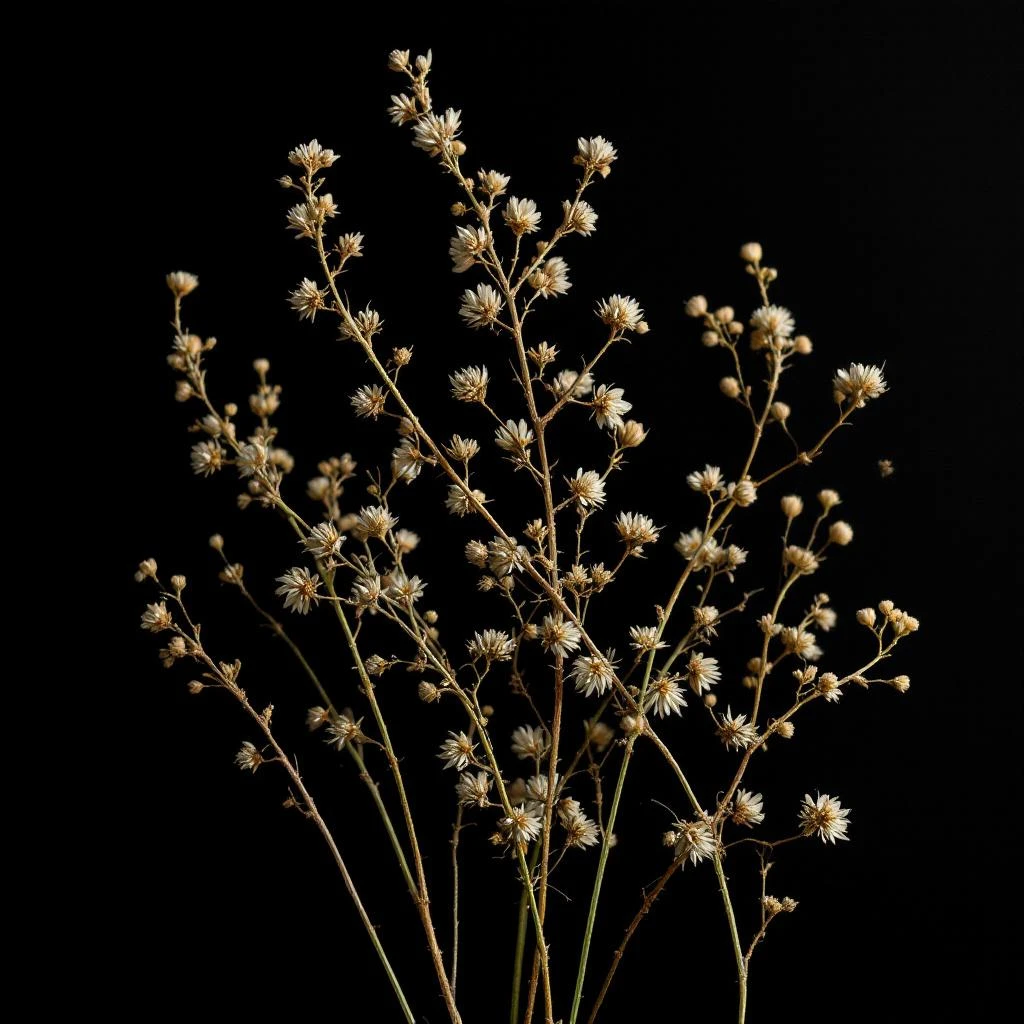
Desert herbs bring sun‑kissed, resinous green notes that echo arid plains, offering a crisp, herbaceous lift in modern compositions. Their dry, slightly bitter edge balances sweet florals and warm woods, making them a versatile anchor for both niche and mainstream scents.
Heritage
Desert herbs have flavored human rituals for millennia. In ancient Mesopotamia, priestesses harvested wild sage and thyme to blend with incense, believing the green aroma invited divine protection. Egyptian tomb paintings depict the offering of desert‑grown rosemary to deities, and records from 1500 BCE list a “green herb oil” among royal cosmetics. The Silk Road carried dried desert herb bundles across the Near East, introducing the scent to Greek and Roman perfumers who prized its ability to temper heavy resins. By the medieval period, North African caravans exported desert herb absolutes to European apothecaries, where alchemists distilled them for medicinal balms. The 19th‑century rise of industrial distillation refined the extraction, allowing consistent supply for the burgeoning perfume houses of Grasse. Today, desert herb oil remains a bridge between ancient ritual and contemporary fragrance design, echoing the arid landscapes where it first thrived.
At a Glance
1
Feature this note
Morocco
Primary source region
Ingredient Details
Steam distillation
Dried leaves and stems
Did You Know
"Desert sage (Salvia dorrii) can survive temperatures from -30 °C to 45 °C, and its essential oil retains aromatic potency even after years of dry storage."