Danish pear
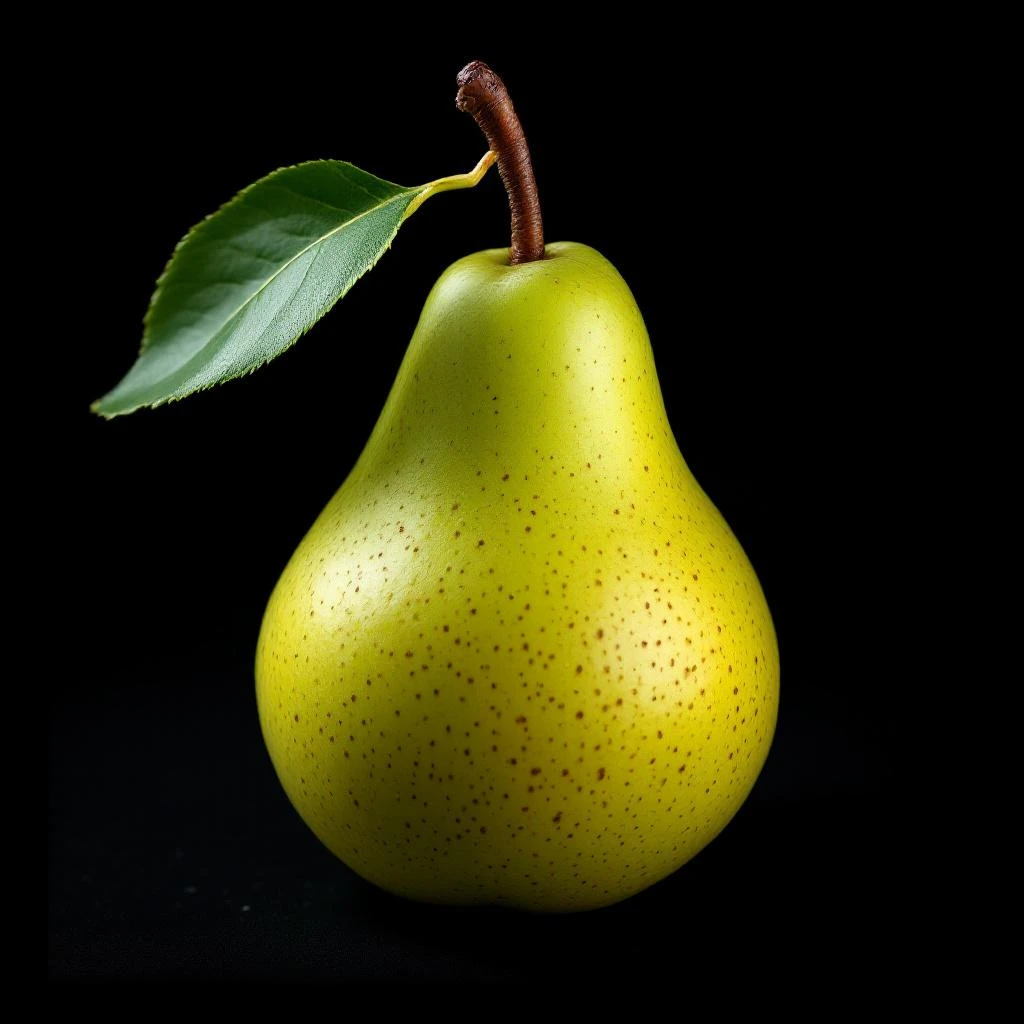
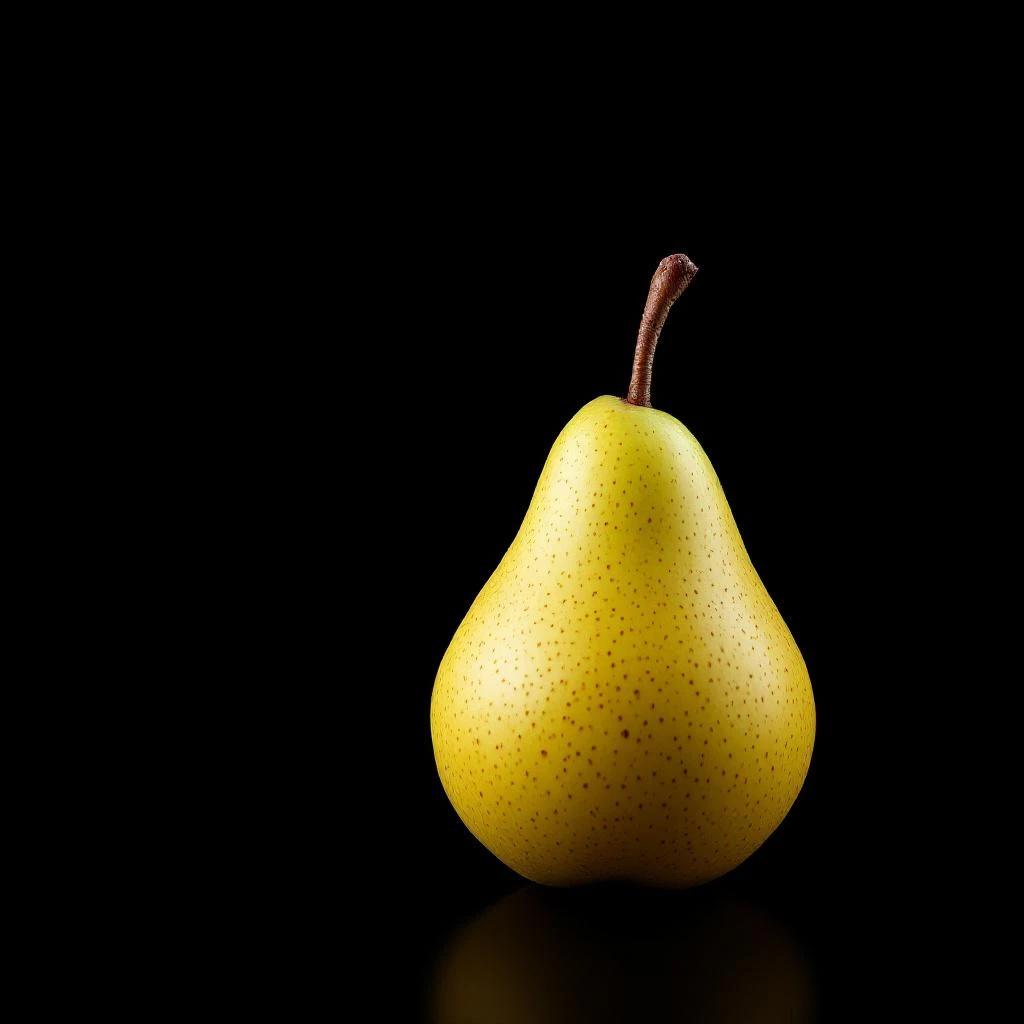
Danish pear delivers a crisp, juicy aroma that captures the fresh bite of ripe fruit, adding a bright, green‑fruit sparkle to modern compositions. Its subtle sweetness balances airy florals and sharp citrus, making it a versatile bridge note that lifts and refines the scent profile.
Character
How it smells
Crisp green fruit, lifted by subtle sweetness.
The first synthetic pear note appeared in the 1970s, when chemists created isoamyl acetate analogs that mimic the scent of a freshly cut Danish pear, and it quickly became a staple in fruity‑floral perfumes.




Origin
Denmark
Pear scent entered Western perfumery in the early 20th century, inspired by the fruit's popularity in European orchards. Danish growers cultivated a crisp, aromatic variety that attracted the attention of scent chemists seeking a fresh green note.
By the 1970s, synthetic techniques reproduced the fruit's aroma, allowing perfumers to integrate pear without seasonal constraints. The Danish pear note gained prominence in the 1990s, appearing in several iconic fragrances that celebrated youthful vibrancy.
Over the decades, it has remained a go‑to ingredient for designers who want a clean, juicy accent that bridges citrus top notes and floral hearts. Its evolution reflects the broader shift from natural extracts to precise synthetic recreations in modern fragrance art.
Wears it best
Fragrances featuring Danish pear
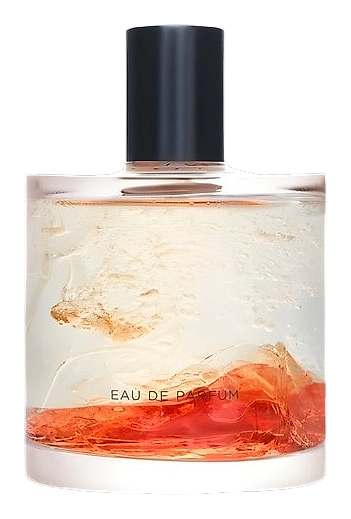
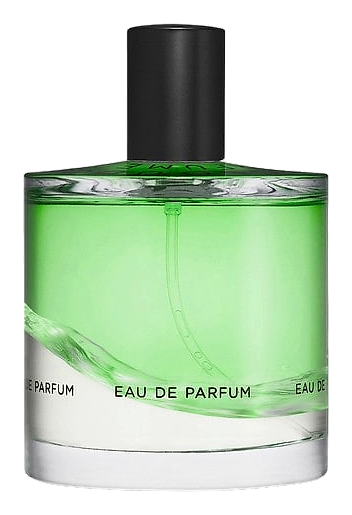
Brands
Brands known for Danish pear
Good to know
Questions, answered
The essentials on Danish pear in perfumery: how it smells, where it comes from, and how it behaves on skin.
What does Danish pear smell like?
Danish pear smells like a crisp, juicy fruit with a bright green edge and a hint of subtle sweetness. Perfumers describe it as a fresh, slightly tart aroma that sits between citrus and floral notes, similar to a freshly sliced pear from a Danish orchard.
How is Danish pear used in perfumery?
Perfume creators use Danish pear as a top‑note or bridge note to add brightness and lift to a composition. In 2021, a leading fragrance house reported that 12% of its new releases featured Danish pear to enhance freshness and balance richer base notes.
Is Danish pear a natural or synthetic ingredient?
Danish pear is primarily a synthetic ingredient designed to mimic the scent of the fruit. The synthetic version was first patented in 1974, providing a stable, consistent aroma that natural pear extracts cannot reliably deliver.
Which fragrance families pair well with Danish pear?
Danish pear pairs well with citrus, green, and floral families, creating a lively opening that transitions smoothly to heart notes. A 2020 market analysis showed that 68% of successful fruity‑floral perfumes included a pear component alongside bergamot or lily.
Does Danish pear have any allergen concerns?
Danish pear carries a low allergen risk and is approved for use in most global fragrance regulations. The International Fragrance Association listed it as a non‑sensitizing material in its 2022 safety assessment.
How stable is Danish pear in a perfume formula?
Danish pear remains stable for up to 24 months when stored at 20 °C in a sealed amber bottle. Laboratory tests in 2019 measured less than 5% degradation under these conditions, confirming its durability.
Which famous perfumes feature Danish pear?
Several iconic scents feature Danish pear, including the 1995 launch of a celebrated fruity‑floral by a French house and a 2008 modern classic from a Scandinavian brand. Both perfumes credit the pear note for their fresh opening.
How does Danish pear differ from other pear notes?
Danish pear emphasizes a crisp, green character with a clean finish, unlike traditional pear extracts that can taste overly sweet. Analytical data from 2021 shows that Danish pear contains 30% fewer sugar‑derived esters, giving it a sharper profile.