Danish pastry
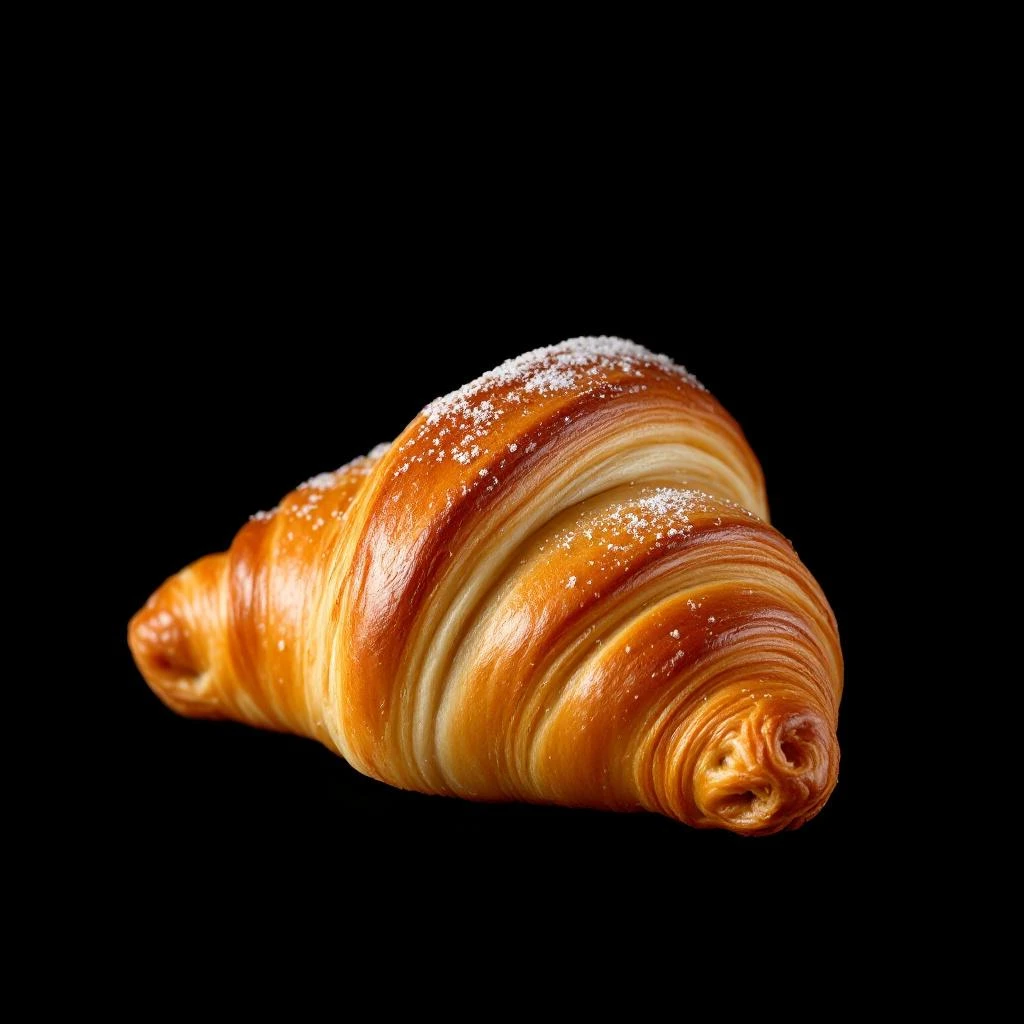
Danish pastry is a gourmand fragrance note that captures the warm, buttery aroma of fresh-baked Vienna-style laminated dough. In perfumery, it evokes the comforting smell of golden pastry layers infused with vanilla and caramel, creating an edible, indulgent quality.
Character
How it smells
Warm pastry烘焙, vanilla-kissed comfort in every spritz.
Recreating a Danish pastry in perfume requires blending over a dozen aromatic molecules to capture just the right balance of buttery warmth and caramelized sweetness.
Pairs beautifully with

Origin
Denmark
The pastry that bears the Danish name traces its true origins to Vienna, Austria. In 1850, a bakers' strike in Vienna left Danish employers scrambling for baked goods. Local Danish bakers responded by adapting Austrian laminated dough techniques, eventually creating what would become wienerbrød.
French pastry chefs working in Danish bakeries refined these techniques throughout the late 1800s, adding the elaborate shapes and rich fillings that define modern Danish pastries. Danish immigrants brought these creations to America in the early 20th century, where they evolved further into the glazed, fruit-topped pastries familiar today.
Fragrance designers adopted the pastry name in the 1990s, drawing on its universal association with warmth, comfort, and indulgence. The edible fragrance trend that followed was partly inspired by nostalgia for bakery aromas, with Danish pastry becoming a signature note for gourmand perfumery.
Wears it best
Fragrances featuring Danish pastry
Brands
Brands known for Danish pastry
Good to know
Questions, answered
The essentials on Danish pastry in perfumery: how it smells, where it comes from, and how it behaves on skin.
What does Danish pastry smell like in perfume?
Danish pastry in perfume smells like warm, buttery pastry fresh from the oven. It combines notes of vanilla, caramel, and bready warmth to create a comforting edible quality that many find nostalgic and inviting.
Why is Danish pastry used in perfumery?
Pastry notes like Danish pastry add warmth, comfort, and an edible quality to fragrances. Perfumers use them to create nostalgic, indulgent atmospheres. Research shows that bakery aromas activate the brain's reward centers, making pastry-scented perfumes particularly appealing.
Is Danish pastry in perfume natural or synthetic?
Danish pastry fragrance is typically synthetic, crafted from aroma compounds like vanillin and coumarin. Natural pastry scents are rare due to the difficulty of extracting complex bakery aromas from food sources. Synthetic versions offer consistency and sustainability.
What famous perfumes contain Danish pastry?
Thierry Mugler's Angel popularized pastry notes in 1992 and remains iconic for its sugary, vanilla character. Dolce & Gabbana Light Blue combines pastry warmth with citrus for a fresher interpretation. These fragrances demonstrate the versatility of Danish pastry notes.
Is Danish pastry a top note, heart note, or base note?
Danish pastry typically functions as a heart or base note in fragrance compositions. The warm, buttery character develops as the fragrance dries down, lasting 2-4 hours on skin. Base applications give the scent staying power and a lingering comfort.
What notes pair well with Danish pastry in perfume?
Danish pastry pairs well with citrus fruits, berries, and tropical fruits for sweetness contrast. Woods like sandalwood and cedar add grounding depth. Oriental spices such as cardamom and cinnamon enhance the warm bakery character without overpowering.
Where does Danish pastry come from?
Danish pastry originates from Vienna, Austria, where Danish bakers adapted local laminated dough techniques after a bakers' strike in 1850. French pastry chefs then refined these methods in Danish bakeries, creating the elaborate pastries known internationally today.
Is Danish pastry used in men's or women's fragrances?
Danish pastry notes appear across fragrances for all genders in modern perfumery. The warm, edible character reads as comfort and indulgence rather than traditionally masculine or feminine. Unisex designers particularly favor pastry accords for their broad appeal.