Curry
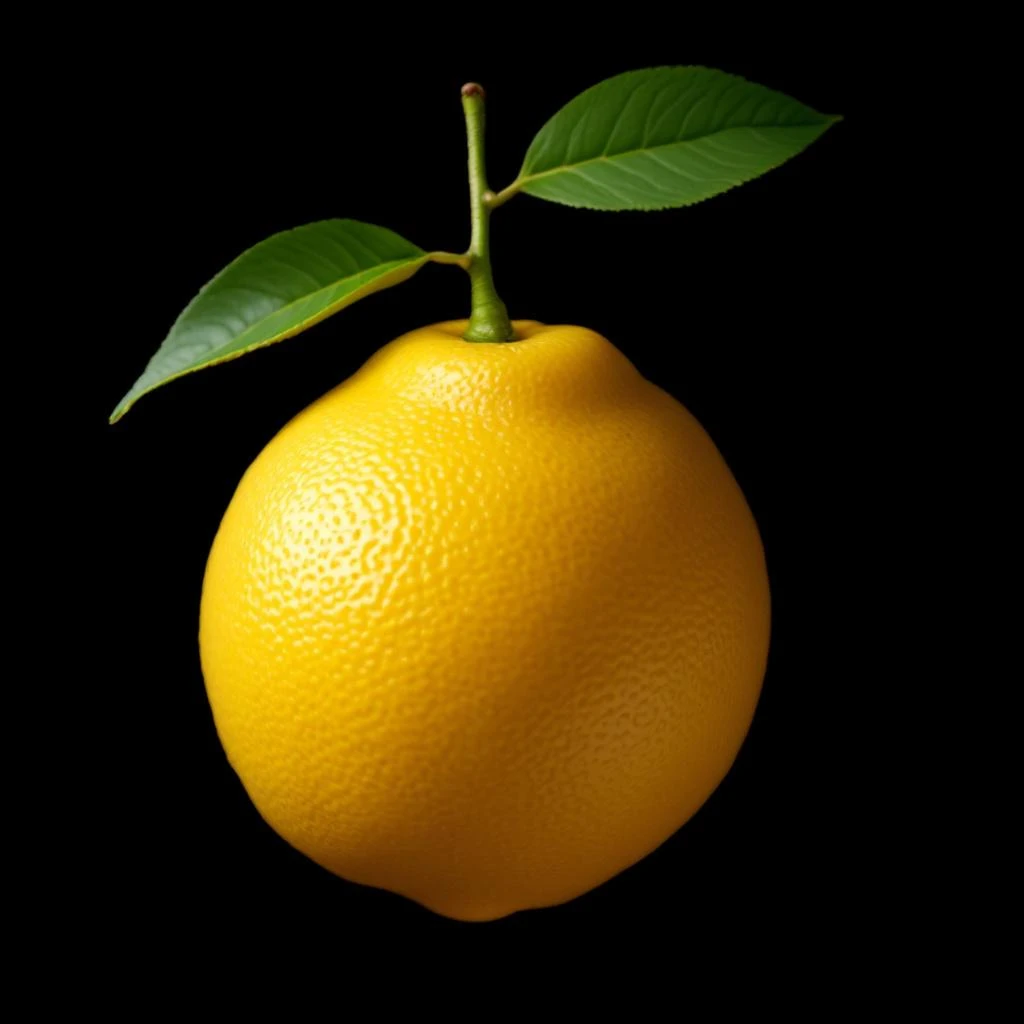
Curry leaf oil brings a savory, herbal-spicy edge to perfumery. Distilled from fresh leaves of the curry tree, it carries warm green notes reminiscent of cumin, citrus peel, and fenugreek.
Character
How it smells
Savory spice meets aromatic warmth
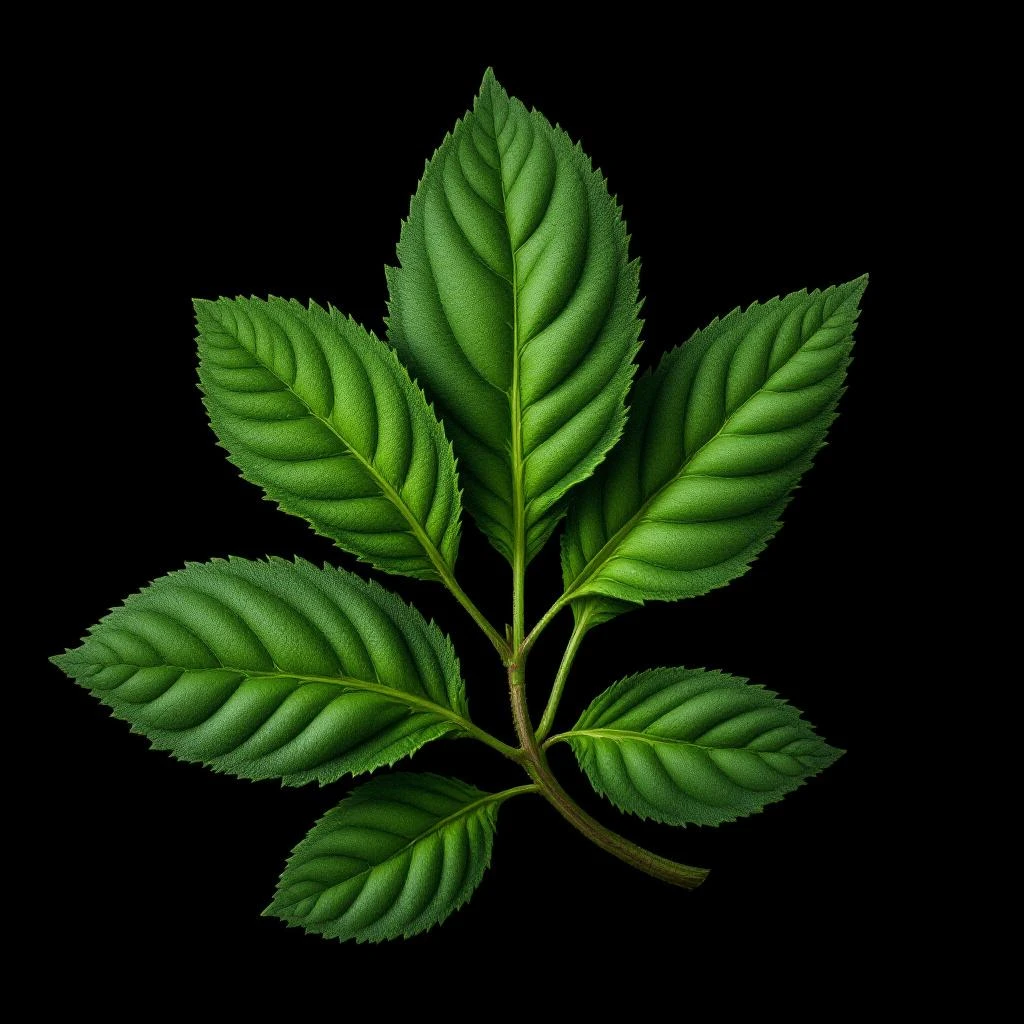
The curry tree (Murraya koenigii) is native to the Indian subcontinent, yet curry powder as we know it is largely a British colonial invention unrelated to the fresh leaves.






Origin
India
The curry tree has grown wild across the Indian subcontinent for millennia, and its aromatic leaves have flavored regional cooking and traditional Ayurvedic medicine for at least two thousand years. Ancient Ayurvedic texts describe the leaves as digestive aids and tonics, while temple kitchens in South India incorporated them into ritual offerings.
The plant entered European awareness through Portuguese and Dutch traders in the 16th and 17th centuries, though they confused the fresh leaves with the dry spice blends later called curry. Commercial interest in curry leaf oil as a perfumery material developed much later, gaining ground in the late 20th century as gourmands and savory fragrances grew popular.
Indian producers in Karnataka, Tamil Nadu, and Kerala began supplying distilled oil to European and Japanese fragrance houses. Today curry leaf oil remains a niche but prized ingredient, valued for its unusual combination of herbal freshness and warm spice character that few other botanicals replicate.
Wears it best
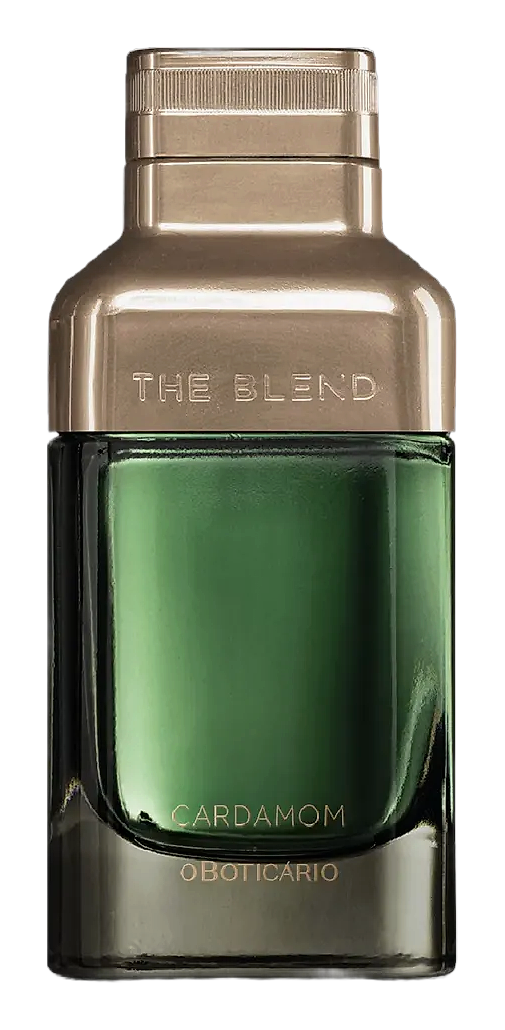
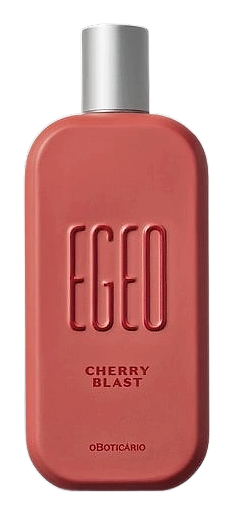
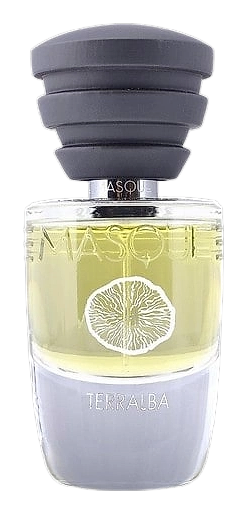
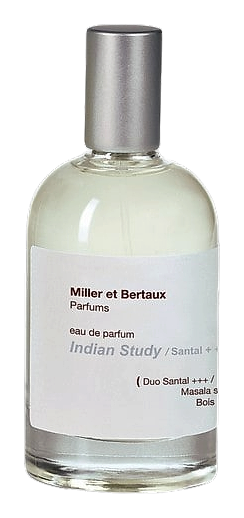
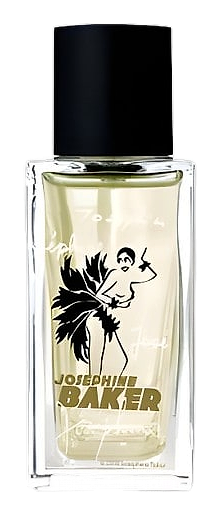
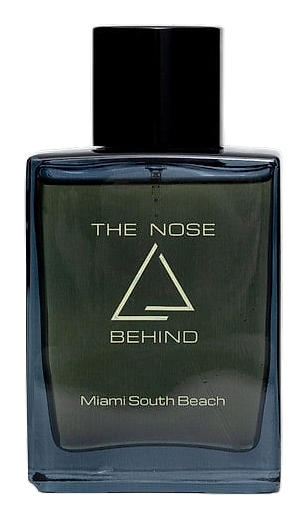
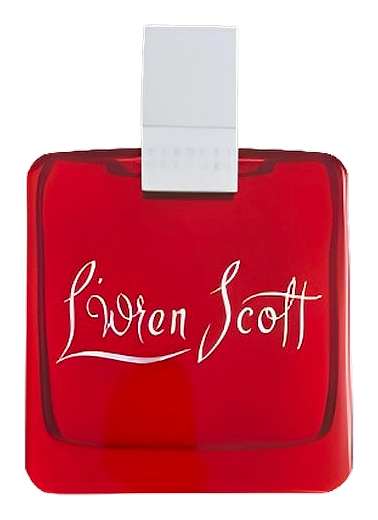
Fragrances featuring Curry



Good to know
Questions, answered
The essentials on Curry in perfumery: how it smells, where it comes from, and how it behaves on skin.
What does curry note smell like in perfume?
Curry leaf oil smells herbaceous, warm, and slightly savory, with green undertones and hints of cumin, citrus, and fenugreek. It adds a cooked-spice quality rather than a hot or pungent impression.
Is curry in perfume the same as curry powder?
No. Perfume curry comes from fresh leaves of the curry tree, while curry powder is a dry spice blend invented by British colonists. The two share almost no botanical or aromatic overlap.
How is curry leaf oil extracted?
Steam distillation is the standard method. Fresh leaves are loaded into chambers within hours of harvest, and passing steam carries the volatile aromatic compounds into a condenser for separation.
Where does curry leaf oil originate?
The curry tree is native to the Indian subcontinent, particularly South India. Most commercial production occurs in Karnataka, Tamil Nadu, and Kerala.
Is curry note safe for skin?
Curry leaf oil is generally safe at low dilution levels, but it contains compounds that can sensitize some individuals. Patch testing before regular use is recommended.
What fragrance families use curry note?
Gourmand, spicy, and aromatic compositions most often feature curry leaf oil. It works well alongside cardamom, ginger, and citrus to build warm, food-inspired accords.
When did curry leaf oil enter perfumery?
Curry leaf oil became a recognized perfumery ingredient in the late 20th century, gaining popularity as gourmand and savory-spice fragrances expanded during the 1990s and 2000s.
Is curry leaf oil natural or synthetic?
Most curry leaf oil used in fine perfumery is naturally steam distilled. Synthetic reproductions exist but struggle to capture the oil's complex balance of green, citrus, and warm spice facets.