
Character
The Story of __SOFT_DELETED__creamy
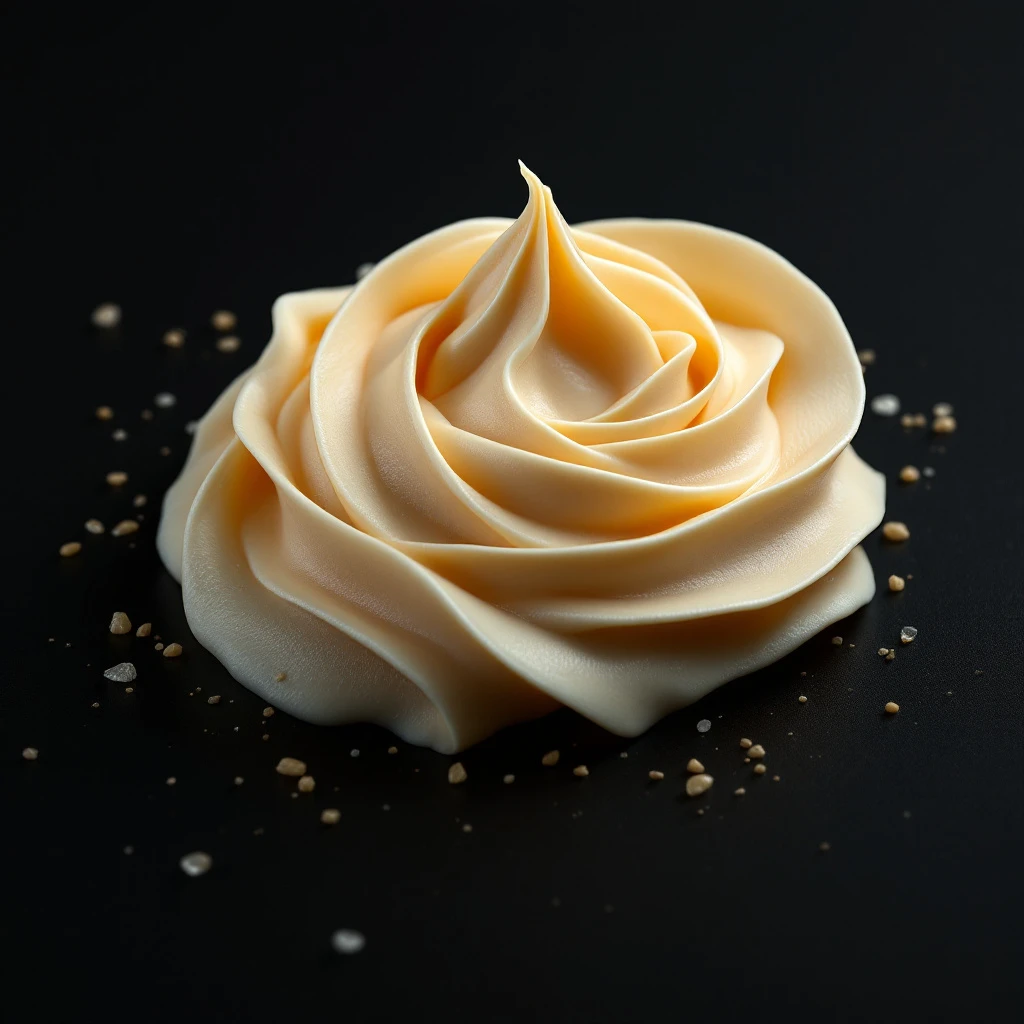
The soft, enveloping sensation of fresh cream or warm milk translates into perfumery through a family of ingredients prized for their richness and comfort. From vanilla and coumarin to lactones and benzoin, creamy notes form the backbone of countless modern fragrances.
Heritage
The quest for creamy richness began with natural resins and balsams, used by ancient Mesopotamian and Egyptian perfumers for their warm, enveloping qualities. Benzoin and storax provided early creamy foundations. The 1820s brought coumarin's discovery, opening new creative territory. Then came a watershed moment in 1897 when vanillin synthesis made creamy warmth affordable and abundant. Suddenly, perfumers could build entire fragrance architectures around this single impression. The late 19th century marked a turning point: creamy notes transitioned from luxury accessories to accessible, reproducible elements of modern perfumery, shaping everything from chypres to orientals.
At a Glance
2
Feature this note
Madagascar
Primary source region
Ingredient Details
Multiple methods
Seeds, pods, resins, synthetic compounds
Did You Know
"Vanillin, the primary compound responsible for vanilla's creamy character, was first synthesized in 1897, enabling perfumers to capture that familiar warmth without relying solely on orchid-derived extracts."