Character
The Story of creaminess
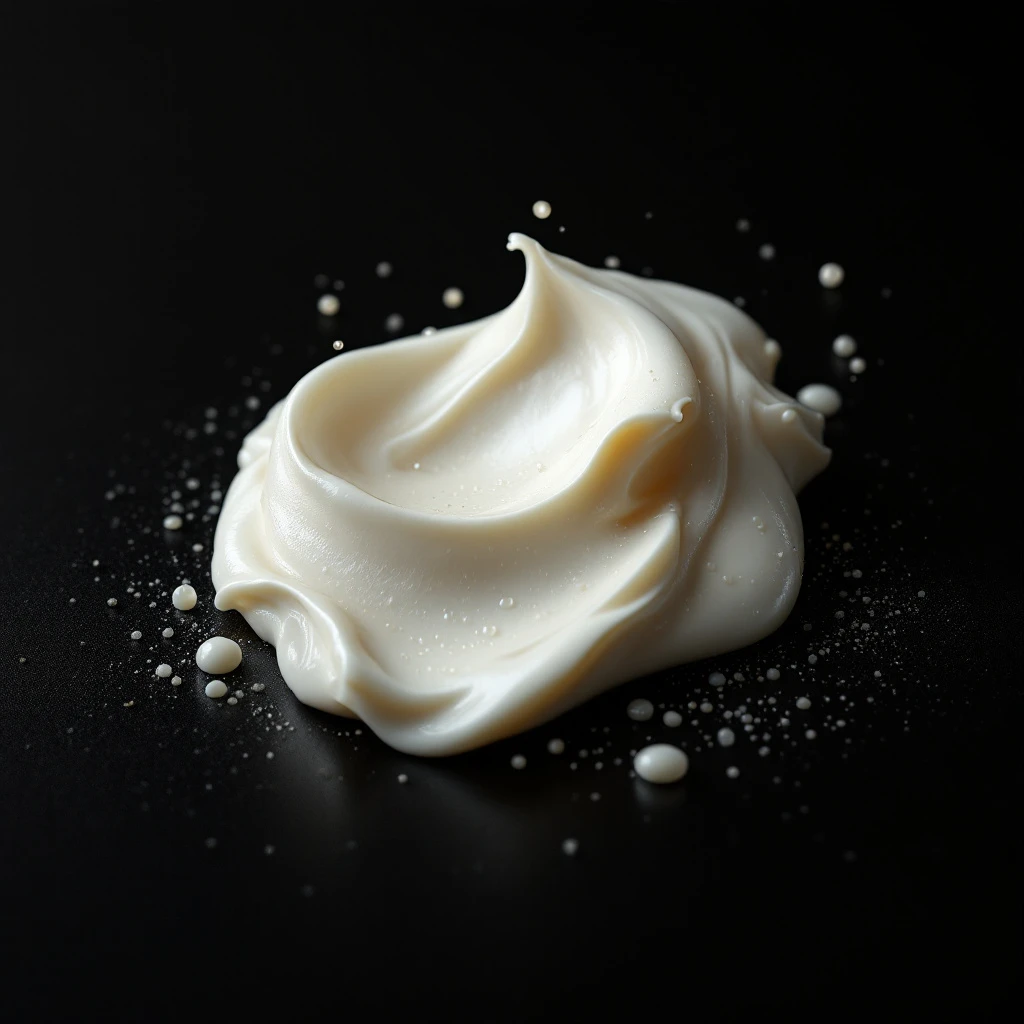
Creamy notes in perfumery evoke warmth, softness, and tactile richness. From vanilla to synthetic musks, these ingredients add depth and comfort to fragrance compositions.
Heritage
Vanilla cultivation began with the Aztecs in Mexico, who used it to flavor cacao drinks. When Europeans encountered it in the 1500s, vanilla became a luxury spice prized across courts. In perfumery, vanilla's warm richness defined the opulent florals of the Victorian era. The 1874 commercial synthesis of vanillin transformed the industry, making creamy accords accessible beyond natural ingredients. By the early 20th century, coumarin (discovered 1823) and synthetic musks joined vanillin as pillars of creamy fragrance construction, enabling the lush orientals and skin-close musks that defined much of modern perfumery.
At a Glance
1
Feature this note
Madagascar
Primary source region
Ingredient Details
Solvent extraction, steam distillation, and synthetic production
Vanilla bean, tonka bean, benzoin resin, coumarin, synthetic lactones and musks
Did You Know
"The global vanilla market exceeds $20 billion annually, with the compound vanillin accounting for the majority of flavor and fragrance applications worldwide."