    Ingredient Profile

    Corsican citron fragrance note

    Corsican citron offers a vivid, herb‑laden citrus burst, born on the wind‑sculpted slopes of Corsica. Its sharp zest intertwines with subtle…More

    France

    1

    Fragrances

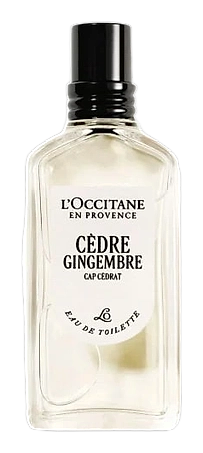
    Fragrances featuring Corsican citron

    Character

    The Story of Corsican citron

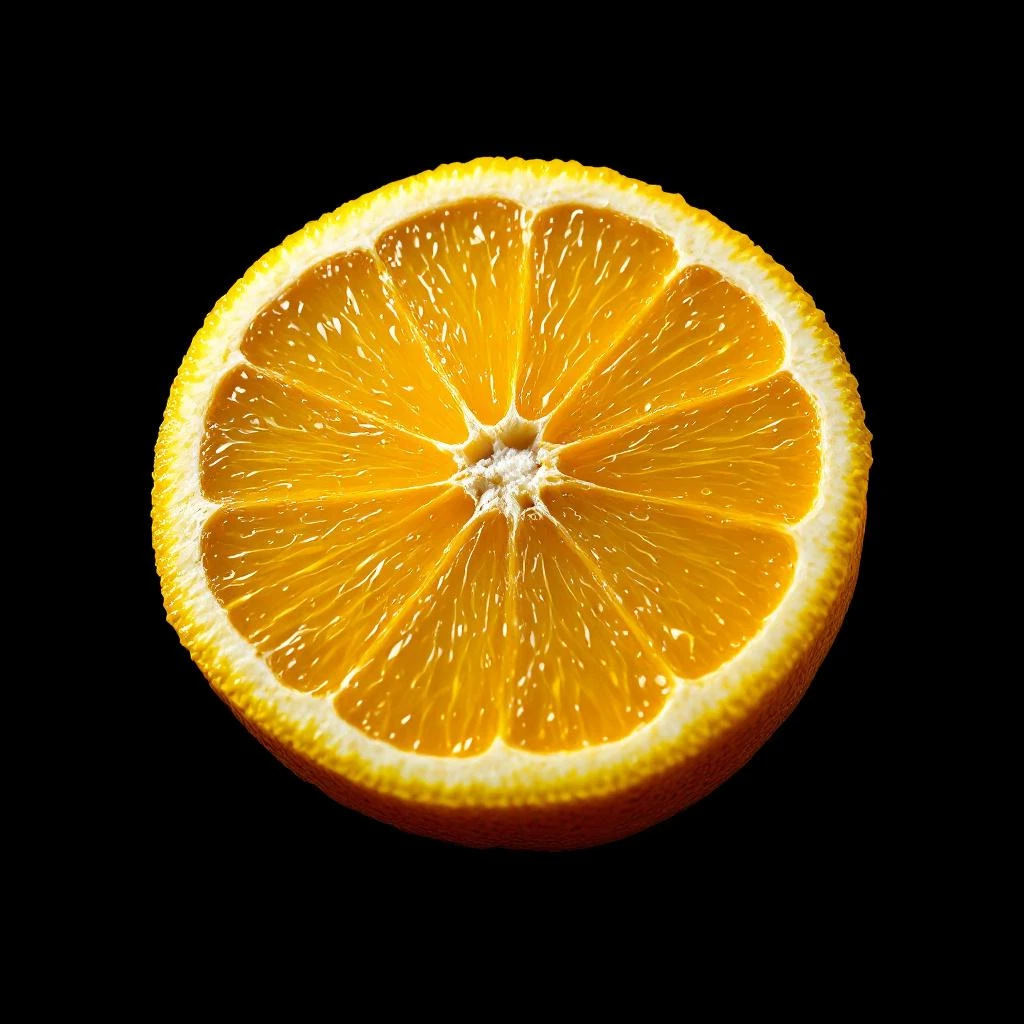
    Corsican citron offers a vivid, herb‑laden citrus burst, born on the wind‑sculpted slopes of Corsica. Its sharp zest intertwines with subtle pine‑green tones, delivering a clean, invigorating accent in fragrance blends.

    Heritage

    Citron trees first appeared on the Arabian Peninsula and spread across the Mediterranean by 500 BC, long before lemons and oranges entered the market. Ancient Egyptians prized citron for its antiseptic smoke, and early Mesopotamian perfumers blended its zest into sacred incense. By the Roman era, traders carried whole fruits to the island of Corsica, where the rugged climate produced a uniquely aromatic peel. In the 19th century, French chemists refined cold‑press expression in Sicily, a method that quickly reached Corsican farms. French perfume houses adopted the oil for its bright, herbaceous profile, featuring it in classic colognes and modern niche scents alike. The ingredient remains a bridge between ancient ritual and contemporary fragrance craft.

    At a Glance

    Fragrances

    1

    Feature this note

    Origin

    France

    Primary source region

    Ingredient Details

    Extraction

    Steam distillation

    Used Parts

    Fruit peel

    Did You Know

    "Archaeologists uncovered citron seeds in a 4,000‑year‑old tomb on Cyprus, proving the fruit’s trade long before lemons appeared in Europe."

    Production

    How Corsican citron Is Made

    Farmers harvest ripe citron fruits by hand in late autumn, when the peel reaches peak oil content. Workers trim the thick rind and feed it into a cold‑press extractor that mechanically ruptures oil glands without heat. The expressed juice passes through a stainless steel separator, yielding a clear, pale oil. To remove trace water, producers follow a short steam‑distillation step at 95 °C, preserving the bright top notes while stabilizing the oil. The final product rests in amber glass for several weeks, allowing volatile compounds to settle. Throughout the process, artisans monitor temperature and pressure to keep the oil’s character intact, resulting in a stable essential oil that retains its sharp citrus edge for up to two years when stored away from light.

    Provenance

    France

    France42.0°N, 9.0°E

    About Corsican citron