Character
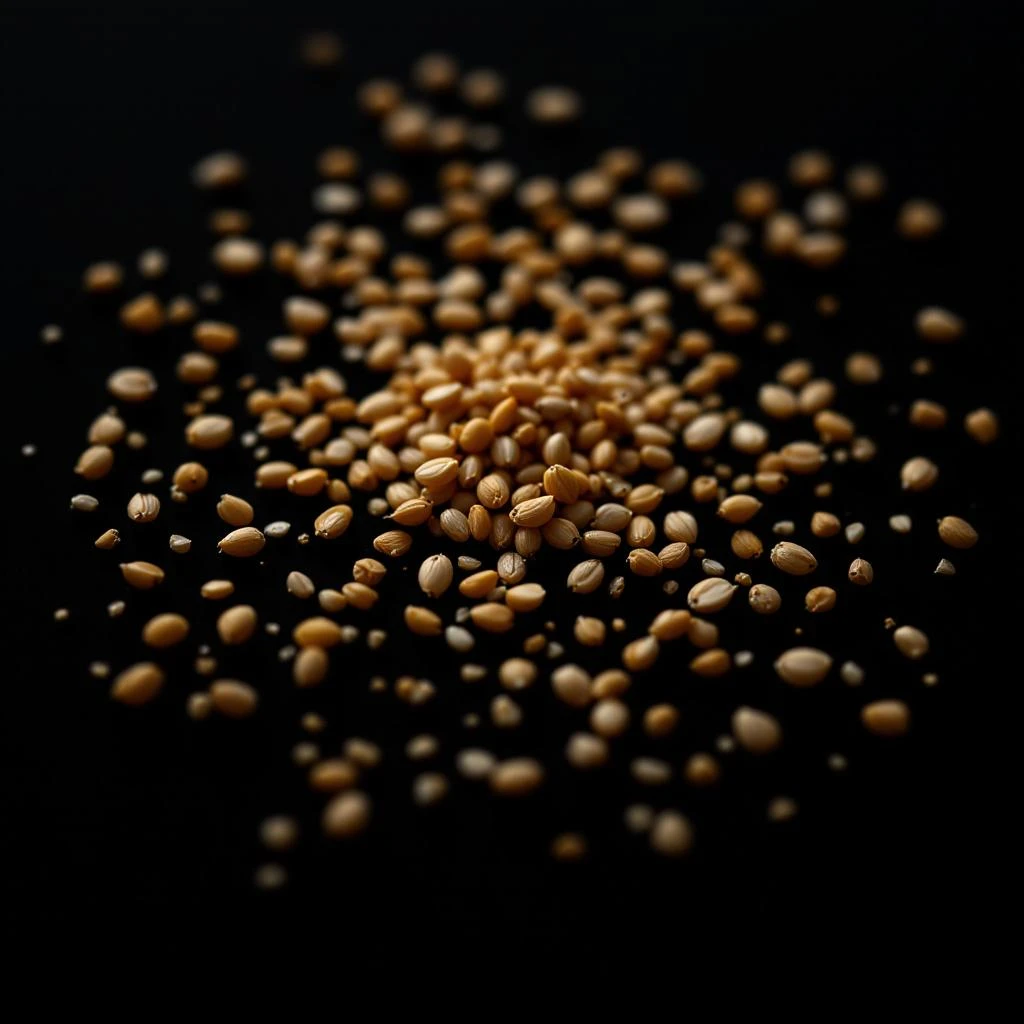
The Story of Cornflower or Sultan seeds
Cornflower seeds, harvested from the vivid blue Centaurea cyanus, yield a light, green-herbaceous oil that adds fresh nuance to modern compositions. The seed oil carries subtle notes of cut grass and sweet earth, making it a prized accent in niche perfumery.
Heritage
Cornflower has traced its scent back to ancient Egypt, where scribes recorded the use of blue petals in ceremonial incense. Greek physicians noted the plant’s soothing properties and mixed crushed flowers with oil for skin treatments around 400 BC. Roman texts describe a simple perfume made by macerating cornflower heads in olive oil, a formula that survived into the medieval monastic gardens of Europe. By the 16th century, the flower became a symbol of modesty in Dutch still‑life paintings, and its seeds entered the emerging trade of botanical extracts. The 19th‑century rise of organic chemistry sparked interest in seed oils, and French chemist Pierre‑Jean Fabre published the first analytical report on cornflower seed oil in 1864, identifying its high linoleic content. In the early 1900s, perfumers in Grasse experimented with the oil as a green modifier, pairing it with lavender and citrus to create fresh summer blends. World War II disrupted supply chains, but post‑war agricultural cooperatives in Romania revived large‑scale seed production, establishing the region as today’s primary source. Contemporary niche houses credit cornflower seed oil for adding a crisp, natural green facet that anchors synthetic accords, keeping the ingredient relevant in modern fragrance design.
At a Glance
1
Feature this note
Romania
Primary source region
Ingredient Details
Steam distillation
Seeds
Did You Know
"Cornflower seed oil contains up to 30 % linoleic acid, a fatty acid prized for its skin‑softening properties, and it was once used as a natural hair rinse in 19th‑century Europe."