Character
The Story of Colombian gardenia
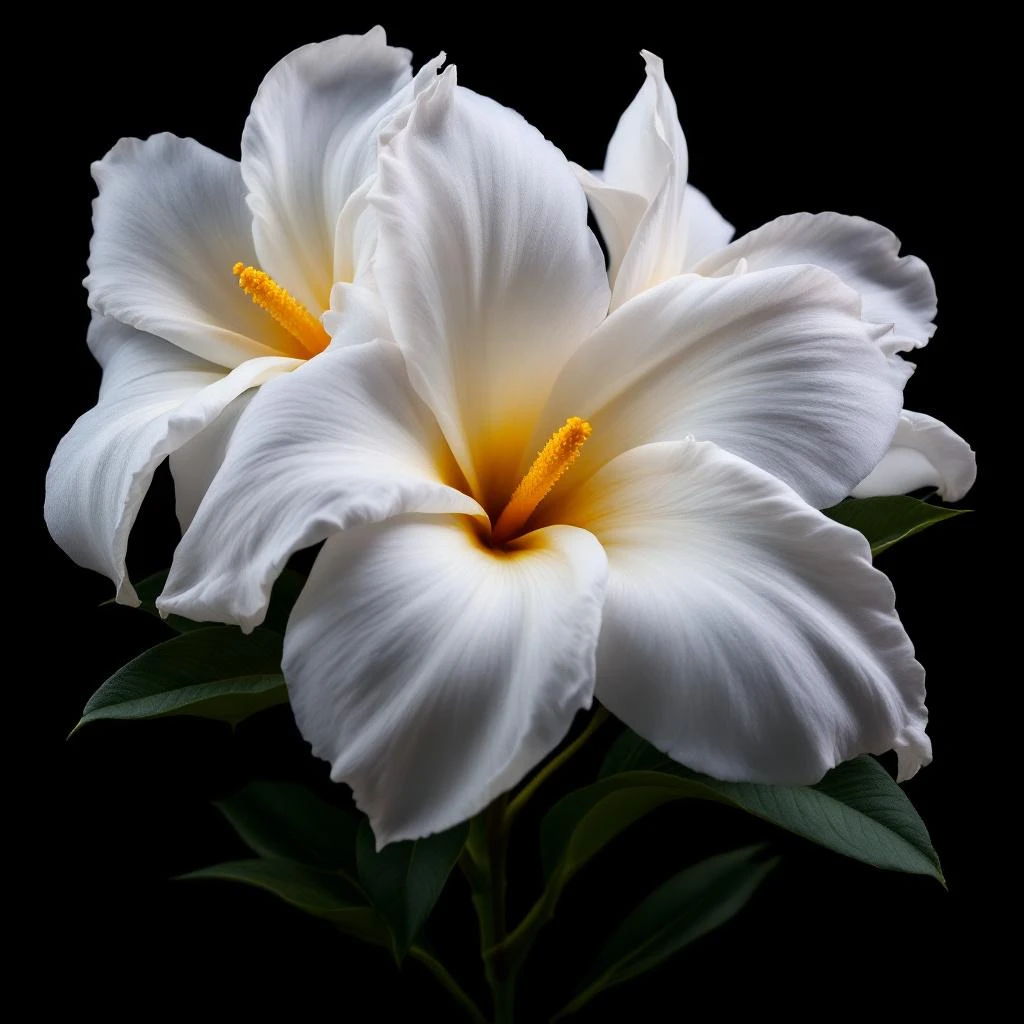
Colombian gardenia delivers a lush, creamy bloom that anchors white-floral accords with a velvety richness, echoing the misty highlands where the flower thrives.
Heritage
Gardenia entered Western perfumery after jasmine, rose, and violet had already defined the white-floral genre. Early 20th‑century French houses experimented with gardenia extracts, but the lack of a true essential oil limited widespread use. Chinese texts record gardenia as a tea and incense ingredient since the Tang dynasty, indicating a long cultural relationship. By the 1910s, European perfumers imported gardenia buds from the Caribbean and later from Colombia, where the highland climate produces large, fragrant blossoms. Colombian growers in Fusagasugá refined enfleurage in the 1920s, creating a reliable supply for niche houses. The synthetic route emerged in the 1970s when chemists identified styrallyl acetate as a close aromatic match, allowing gardenia to appear in mass‑market compositions. Today, the note remains a symbol of refined white florals, bridging historic craft and modern chemistry.
At a Glance
1
Feature this note
Colombia
Primary source region
Ingredient Details
Enfleurage (traditional fat‑washing)
Fresh flower petals
Did You Know
"Local artisans in Fusagasugá still practice traditional enfleurage, pressing fresh gardenia petals into animal fat for weeks to capture a scent no solvent can duplicate."