Character
The Story of Clary Sage Absolute
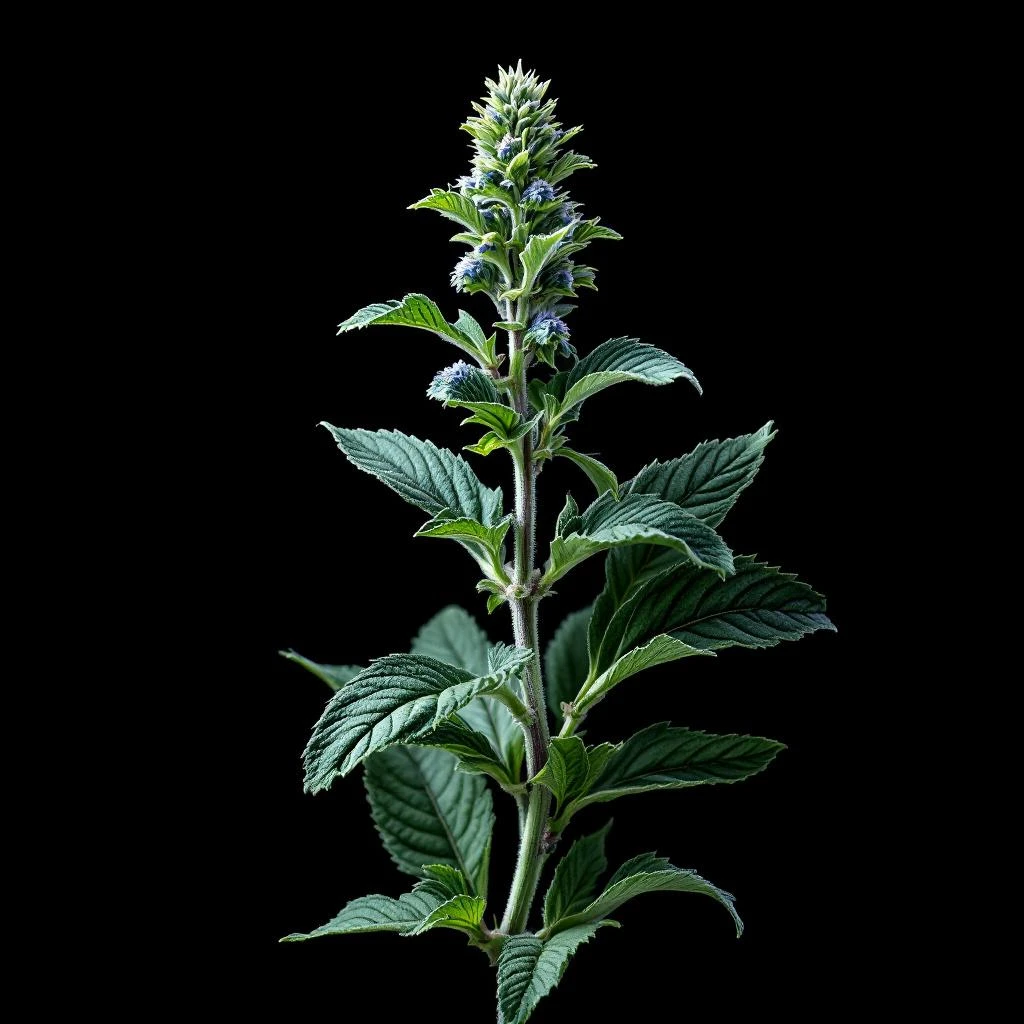
Clary sage absolute captures the warm, amber-like soul of Salvia sclarea. Solvent-extracted from Provence's flowering tops, it delivers hay-like depth, tobacco warmth, and musky balsamic tones that anchor orientals and tobacco accords. Unlike the lighter essential oil, the absolute is richer and more tobacco-like, serving as a fixative that adds balsamic depth to complex compositions.
Heritage
Clary sage has deep roots in Mediterranean folk medicine. The ancient Greeks and Romans valued the herb for its purported euphoric and calming properties, and historical texts describe it as an aid for digestive complaints and respiratory discomfort. Traditional healers used infusions and poultices made from the leaves. By the twentieth century, medicinal use declined sharply as the plant's aromatic potential became more valuable to the fragrance and flavor industries. Perfumers began systematically extracting the essential oil from flowering tops, eventually developing the solvent-extracted absolute for its richer, more complex character. Today, southern France remains the benchmark origin, though Bulgaria, Russia, and Hungary also supply commercial quantities. The herb grows wild across the Northern Mediterranean, thriving on calcareous, well-drained soils under full sun. Its evolution from folk medicine to perfumery raw material reflects a broader shift in how societies assign value to botanical resources.
At a Glance
1
Feature this note
France
Primary source region
Ingredient Details
Solvent extraction
Flowering tops
Did You Know
"Clary sage contains sclareol, an unusually large botanical molecule that perfumers use to synthesize ambroxan, a modern replacement for whale-derived ambergris."