    Ingredient Profile

    Chinese rhubarb fragrance note

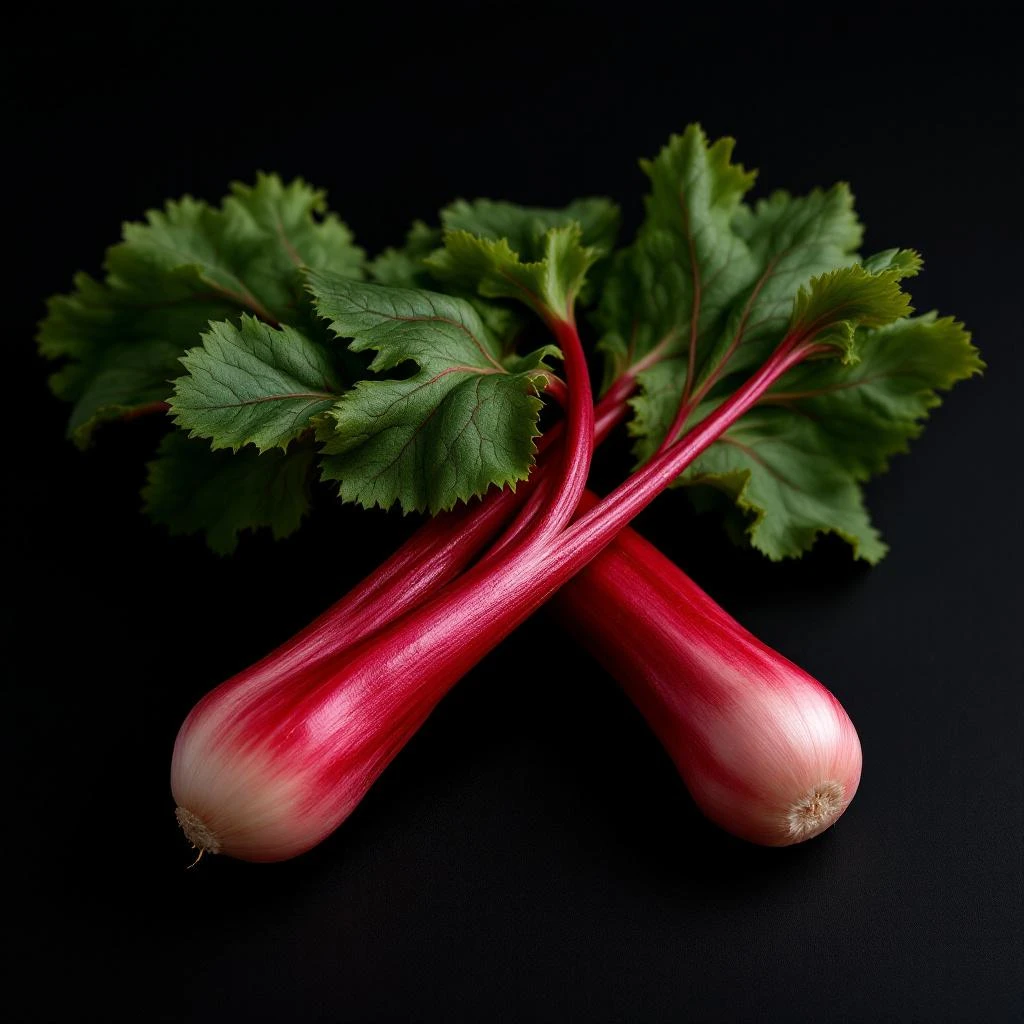
    Chinese rhubarb delivers a crisp, tart green note that echoes the freshly sliced stalks of the plant, offering a bright, slightly sour accen…More

    China

    1

    Fragrances

    Fragrances featuring Chinese rhubarb

    Character

    The Story of Chinese rhubarb

    Chinese rhubarb delivers a crisp, tart green note that echoes the freshly sliced stalks of the plant, offering a bright, slightly sour accent prized by modern perfumers.

    Heritage

    Rhubarb has been cultivated in China for over two millennia, first recorded in the Shen Nong Ben Cao Jing as a medicinal root. The stalks entered the culinary repertoire during the Tang dynasty, prized for their sour bite. While ancient Chinese rituals burned incense from resinous woods and herbs, rhubarb never featured as a fragrance because its volatile profile is weak and degrades quickly. The modern perfume note emerged in the late 1970s when synthetic chemistry provided a stable aldehyde that mimics the plant’s sharp green character. Early niche houses introduced the note in avant‑garde collections, positioning it as a counterpoint to sweet florals. By the 1990s, the synthetic rhubarb accord appeared in several mainstream releases, expanding the green fragrance family. Today, Chinese rhubarb remains a symbol of how traditional plant use can inspire contemporary scent engineering, linking centuries of herbal practice with present‑day olfactory creativity.

    At a Glance

    Fragrances

    1

    Feature this note

    Origin

    China

    Primary source region

    Ingredient Details

    Extraction

    Synthetic

    Used Parts

    Stalk petioles

    Did You Know

    "Although rhubarb is a staple in Chinese cuisine, the fragrance industry never extracts its scent directly; instead, a laboratory‑crafted aldehyde replicates the plant’s tart aroma, a practice that began in the 1970s."

    Production

    How Chinese rhubarb Is Made

    China grows the majority of the world’s rhubarb, harvesting stalks for food and medicine. When perfumers needed a reliable green note, chemists turned to synthesis because natural extraction yields only trace volatiles. The synthetic rhubarb aldehyde forms through a base‑catalyzed condensation of acetaldehyde and isobutyraldehyde, followed by controlled oxidation and fractional distillation. The resulting liquid is a clear, pale yellow oil that reaches 98 percent purity after multiple rectification steps. Quality labs verify each batch with gas chromatography, ensuring the target compound accounts for at least 95 percent of the composition. Large‑scale reactors can produce half a tonne per run, and the oil is stored in stainless steel vessels under nitrogen to prevent oxidation. Perfume houses blend the aldehyde with supporting ingredients at concentrations ranging from 0.1 to 2 percent, depending on the desired intensity. The synthetic route offers consistent aroma, low cost, and a stable supply chain that natural harvest cannot match.

    Provenance

    China

    China35.9°N, 104.2°E

    About Chinese rhubarb